
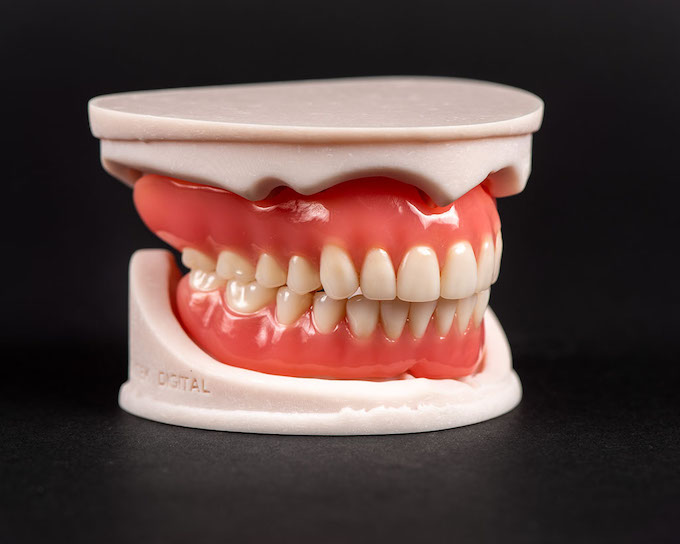
When a patient is missing a single tooth, the restoration journey often ends with one critical component: a single unit implant crown. This crown sits atop a dental implant and must look, feel, and function like a natural tooth. Getting it right matters — for the patient and for the dentist placing it.
At Dentek Digital, we fabricate single unit implant crowns using advanced CAD/CAM technology. Our digital workflow allows us to deliver restorations with exceptional fit, natural aesthetics, and reliable long-term performance. We proudly serve dental practices across the Greater Phoenix area, including Mesa, Scottsdale, Chandler, and Tempe.
In this post, we explore what makes a high-quality single unit implant crown, how digital fabrication elevates the process, and what dentists should look for in a dental lab partner.
What Is a Single Unit Implant Crown?
A single unit implant crown replaces one missing tooth. It connects to a dental implant that has been surgically placed in the jawbone. The crown itself is the visible, functional part of the restoration.
This type of crown must meet several demands at once. It needs to match the surrounding teeth in color and shape. Additionally, it must withstand the forces of biting and chewing over many years. Finally, it must integrate seamlessly with the implant and abutment components beneath it.
Crown vs. Abutment: Understanding the Difference
The implant is the titanium post placed in the bone. The abutment is the connector piece that links the implant to the crown. The crown is the final, tooth-shaped restoration on top.
Therefore, each layer must be designed and fabricated with precision. Even small errors in fit can compromise the final outcome. Because of this, digital workflows have become the preferred approach in modern dental labs.
Why Digital Fabrication Makes a Difference
Traditional methods of fabricating implant crowns relied heavily on manual techniques and physical impressions. Today, digital workflows have transformed the process entirely. As a result, labs like Dentek Digital can deliver more consistent and accurate restorations.
CAD/CAM technology — which stands for Computer-Aided Design and Computer-Aided Manufacturing — allows our technicians to design restorations digitally. We then mill or print the crown from high-quality materials. This reduces human error and improves repeatability.
The Digital Impression Advantage
When dentists send digital scans instead of physical impressions, the accuracy improves significantly. Digital files capture fine details that traditional impressions can sometimes distort. Moreover, digital files can be transmitted instantly, which speeds up turnaround time.
Dentek Digital was one of the earliest adopters of the digital CAD/CAM workflow in the country. We have refined our process over many years. Furthermore, we continue to invest in the latest scanning, design, and milling technologies to stay at the forefront of digital dentistry.
Material Options for Implant Crowns
The material selected for a single unit implant crown affects its strength, aesthetics, and longevity. Common options include full-contour zirconia, layered zirconia, and lithium disilicate. Each material has specific advantages depending on the location of the tooth and the patient’s bite.
For posterior teeth, strength is typically the priority. For anterior teeth, aesthetics often take center stage. Our technicians at Dentek Digital work closely with referring dentists to select the right material for each case. We serve practices across the Phoenix metro area, from Gilbert to Scottsdale, and we understand that every patient’s needs are different.
The CAD/CAM Implant Crown Workflow at Dentek Digital
Our workflow is designed to make the process as smooth as possible for the dentist. We accept digital scans from all major intraoral scanners. Once we receive a case, our technicians begin the design phase immediately.
First, we review the scan and the case details provided by the dentist. Next, we design the crown using specialized dental CAD software. Then, we mill or print the restoration and apply any necessary finishing or staining. Finally, the completed crown is inspected and shipped to the dental practice.
Custom Design for Every Case
No two patients are exactly alike. Therefore, we treat every single unit implant crown as a custom restoration. Our technicians analyze the adjacent teeth, the occlusion, and the emergence profile from the implant.
We also consider the implant system being used. Different implant brands use different connection types. Because of this, we maintain compatibility with a wide range of implant systems to support our dental partners across the Greater Phoenix area.
Quality Control Before Every Shipment
Every restoration that leaves our lab goes through a thorough quality control process. We check the margins, the contacts, the occlusal surface, and the overall aesthetics. On the other hand, a restoration that does not meet our standards is corrected before it is ever shipped.
This commitment to quality is what sets Dentek Digital apart. Dental practices in Mesa, Chandler, Tempe, and Scottsdale rely on us because they know we will not compromise on accuracy or craftsmanship.
What Dentists Should Look for in a Dental Lab Partner
Choosing the right dental lab is one of the most important decisions a practice can make. The lab you work with directly impacts your patient outcomes and your efficiency as a clinician. Here are some key factors to consider:
- Digital compatibility: Does the lab accept digital scans from your scanner? A truly digital lab should work seamlessly with your technology.
- Turnaround time: Faster turnaround helps you serve patients more efficiently. Ask about standard and expedited timelines.
- Material quality: High-quality materials lead to better-fitting and longer-lasting restorations. Ask about the brands and grades your lab uses.
- Implant system support: Confirm that the lab works with the implant systems you place most frequently.
- Communication: A good lab partner is responsive and easy to reach when questions arise. Clear communication prevents costly remakes.
- Track record: Look for a lab with a demonstrated history of excellence in implant restorations specifically.
Additionally, consider whether the lab offers value-added services. At Dentek Digital, for example, we offer digital implant planning as an advanced service alongside our standard restoration offerings.
Implant Crown Placement: Supporting the Dentist’s Process
As a dental lab, our role is to support the dentist’s clinical process — not replace it. The dentist manages the surgical phase, the healing period, and the final seating of the crown. Meanwhile, our job is to fabricate a restoration that makes that final seating appointment go smoothly.
A well-designed crown should seat accurately on the first try. It should have tight contacts with adjacent teeth and proper occlusal balance. Moreover, the emergence profile from the implant should look natural and be easy for the patient to clean.
Common Challenges in Implant Crown Fabrication
Implant crowns present unique challenges compared to tooth-supported crowns. The implant does not flex like a natural tooth root. Therefore, the crown must be designed to absorb and distribute occlusal forces in a slightly different way.
Screw-retained versus cement-retained designs also require different fabrication approaches. Our technicians are experienced with both. However, we always recommend discussing the preferred retention method with the referring dentist before fabrication begins.
Frequently Asked Questions About Single Unit Implant Crowns
What materials are most commonly used for single unit implant crowns?
Zirconia is the most commonly used material today. It offers excellent strength and good aesthetics. Lithium disilicate is another popular option, especially for anterior cases where translucency is important. Our team helps dentists choose the best material for each specific case.
How long does it take Dentek Digital to fabricate an implant crown?
Turnaround times vary depending on the complexity of the case and the material selected. However, our digital workflow is optimized for speed without sacrificing quality. We encourage dentists to contact us directly to discuss standard and rush timelines.
Can Dentek Digital work with my implant system?
We maintain compatibility with a broad range of implant systems. Additionally, we are continually expanding our library of implant connections. If you are unsure whether we support your system, simply reach out and our team will confirm quickly.
What file formats do you accept for digital cases?
We accept digital scan files from all major intraoral scanner platforms. If you have a question about your specific scanner’s output format, our team can guide you through the submission process. We strive to make sending a case as simple as possible.
Do you offer implant planning services in addition to crown fabrication?
Yes. Dentek Digital offers digital implant planning as an advanced service. This allows dentists to plan implant placement virtually before surgery. As a result, cases can be executed with greater precision and predictability from start to finish.
Partner with Dentek Digital for Your Implant Crown Cases
Dentek Digital is proud to be a trusted lab partner for dental practices across the Greater Phoenix area. Whether your practice is in Mesa, Chandler, Scottsdale, or Tempe, we are ready to support your implant crown cases with precision and care.
We combine cutting-edge CAD/CAM technology with the skilled craftsmanship that only comes from years of experience. Furthermore, our team is always available to discuss case details, answer questions, and ensure your restorations arrive ready to seat.
If you are ready to elevate the quality of your implant restorations, we invite you to contact Dentek Digital and send us your next case. Our team looks forward to becoming your go-to lab for single unit implant crowns and beyond.