
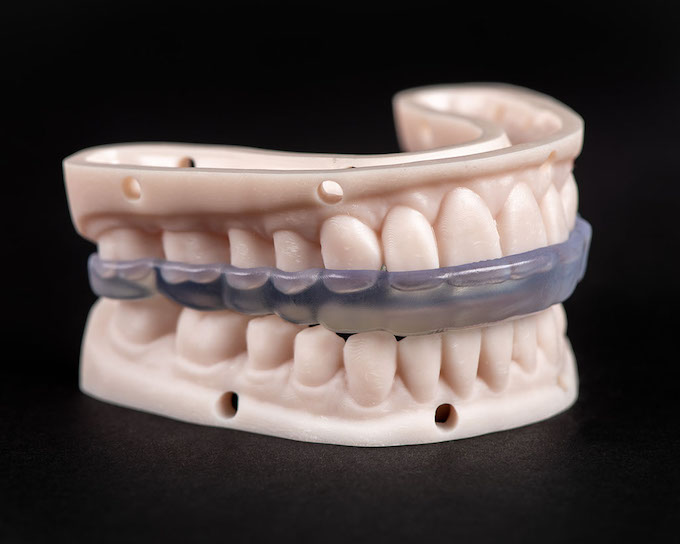
When a patient needs an implant restoration that fits precisely and lasts for years, the choice of crown design matters enormously. Screw retained implant crowns have become one of the most preferred solutions among implant dentists today. They offer retrievability, a secure fit, and a streamlined workflow that benefits both the clinician and the patient.
At Dentek Digital, we fabricate screw retained implant crowns using advanced CAD/CAM technology and a fully digital workflow. Our lab partners with dentists and dental practices across the Greater Phoenix, Arizona area, including communities in Mesa, Scottsdale, Chandler, and Tempe. We deliver precision restorations that support better patient outcomes every time.
In this post, we break down everything you need to know about screw retained implant crowns. Additionally, we explain how partnering with a digital dental lab like Dentek Digital can elevate your implant cases from start to finish.
What Are Screw Retained Implant Crowns?
Screw retained implant crowns attach directly to the implant fixture using a small screw. Therefore, they do not rely on dental cement for retention. This design gives clinicians the ability to remove and reattach the crown without damaging the restoration or the surrounding tissue.
This approach contrasts with cement-retained crowns, which bond to an abutment using dental cement. On the other hand, screw retained designs eliminate the risk of excess cement causing peri-implant complications. Because of this, many implant clinicians strongly prefer the screw retained design for posterior and anterior cases alike.
Key Components of a Screw Retained Crown
A screw retained implant crown typically consists of a custom titanium or zirconia abutment fused or milled together with the crown body. The screw access channel runs through the occlusal or lingual surface of the crown. This channel allows the dentist to access and tighten the retaining screw with a torque driver.
Furthermore, the access hole is sealed with a composite or PTFE material after seating. Modern CAD/CAM design makes it possible to position the access channel precisely for both function and aesthetics. As a result, even anterior cases can be handled with excellent cosmetic outcomes.
Why Dentists Choose Screw Retained Designs
Retrievability is the single biggest advantage of screw retained implant crowns. For example, if a patient returns with a fractured crown or a screw loosening issue, the dentist can simply unscrew and remove the restoration. This avoids the destructive process of cutting through a cemented crown.
Moreover, screw retained crowns eliminate the threat of subgingival cement remnants. Residual cement left beneath the gumline is a well-documented cause of peri-implantitis. Therefore, removing cement from the equation directly supports better long-term implant health.
Clinical Benefits at a Glance
- Full retrievability for easy repair or replacement
- No cement risk near the peri-implant sulcus
- Precise fit supported by CAD/CAM milling accuracy
- Versatile placement for anterior and posterior restorations
- Efficient workflow from digital scan to seating appointment
In addition, screw retained crowns are compatible with a wide range of implant systems. At Dentek Digital, we work with most major implant platforms to ensure seamless integration with your existing clinical workflow.
The CAD/CAM Advantage in Screw Retained Crown Fabrication
Digital technology has transformed how dental labs fabricate implant restorations. Meanwhile, traditional analog methods introduced variables at every step of the process. Today, a fully digital workflow produces more consistent and predictable results.
At Dentek Digital, we were among the earliest adopters of CAD/CAM technology in the country. We use digital scan data from your intraoral scanner or scan bodies to design each crown with software precision. Then, our milling units cut the restoration from high-quality zirconia or other materials to exacting tolerances.
From Digital Scan to Finished Crown
The process begins when you submit a digital scan or impression to our lab. Next, our technicians use CAD software to design the abutment and crown as a single unit or as separate components. We carefully position the screw access channel to optimize both occlusal function and aesthetics.
After design approval, we mill the restoration and complete any necessary layering or finishing by hand. Finally, the completed crown ships back to your practice ready for a streamlined seating appointment. Because of this end-to-end digital process, turnaround times are efficient and quality is consistent.
Materials We Use for Screw Retained Crowns
Material selection depends on the location of the implant and the patient’s aesthetic expectations. However, zirconia is the most commonly selected material for screw retained implant crowns due to its strength and biocompatibility.
For anterior cases, we may use layered zirconia or high-translucency zirconia to achieve natural light transmission. Moreover, monolithic zirconia is an excellent choice for posterior cases where durability under occlusal forces is the priority. We discuss material options with each partner practice to match the right solution to every case.
How Dentek Digital Supports Implant Dentists in Phoenix and Beyond
Dentek Digital operates as a trusted digital dental lab for practices across the Greater Phoenix, Arizona metropolitan area. We partner with implant dentists in Scottsdale, Chandler, Mesa, Tempe, and surrounding communities. Our team understands the clinical demands of modern implant dentistry and builds every restoration to meet them.
Additionally, we offer more than just screw retained implant crowns. Our implant services include implant-supported bridges, implant bars, and digital implant planning support. Therefore, your practice gains a single lab partner capable of handling the full spectrum of implant restorations.
Digital Implant Planning Integration
We also provide digital implant planning services that help clinicians visualize the prosthetic outcome before surgery. This prosthetically driven approach ensures the implant is placed in a position that supports ideal restoration design. As a result, screw access channels emerge in functional, accessible locations on the finished crown.
Furthermore, our planning workflow integrates directly with the restoration fabrication process. This reduces the number of steps between planning and delivery. Practices in Chandler, Gilbert, and Tempe regularly rely on this integrated workflow to streamline their implant cases.
Partnering with a Lab That Understands Your Practice
Choosing a dental lab is about more than materials and technology. It is also about communication, reliability, and shared commitment to patient outcomes. At Dentek Digital, we build long-term relationships with our partner practices.
We respond quickly to case questions and provide clear guidance on submission requirements. Moreover, our team offers clinical support when you encounter complex implant scenarios. Because of this collaborative approach, dentists across the Phoenix area trust us with their most demanding implant cases.
Tips for Submitting Screw Retained Implant Crown Cases
A smooth lab experience starts with a strong case submission. Here are practical tips to help your digital scans and case instructions deliver the best results.
- Use scan bodies correctly: Seat and verify scan body position before scanning. A stable scan body produces accurate implant analog positioning in our software.
- Capture full arch data: Include the opposing arch and bite registration. This gives our technicians the occlusal reference they need for accurate crown design.
- Note the implant system and connection type: Always specify the implant brand and connection type on your case form. This ensures we select the correct components for your patient’s fixture.
- Indicate screw access channel preference: If you have a preferred access channel location, note it clearly. We will do our best to accommodate within the constraints of the case.
- Include shade and material instructions: Be specific about shade and material preferences, especially for anterior cases where aesthetics are a priority.
Additionally, contact our team before submitting complex or multi-unit implant cases. Early communication helps us allocate the right resources and avoid delays.
Frequently Asked Questions About Screw Retained Implant Crowns
What is the main difference between screw retained and cement retained implant crowns?
Screw retained crowns attach to the implant with a retaining screw. Cement retained crowns bond to an abutment with dental cement. Therefore, screw retained designs are fully retrievable and carry no cement-related complication risk.
Can screw retained crowns be used in anterior positions?
Yes. Modern CAD/CAM design allows labs to position the screw access channel lingually on anterior restorations. As a result, the aesthetic impact is minimal and often undetectable to the patient.
What materials work best for screw retained implant crowns?
Zirconia is the most widely used material due to its strength and biocompatibility. High-translucency or layered zirconia works well for anterior cases. Monolithic zirconia is often preferred for posterior restorations that endure heavy occlusal forces.
How long does it take to receive a screw retained crown from your lab?
Turnaround times vary based on case complexity and current lab volume. However, our digital workflow is designed to be efficient. Contact our team for specific turnaround estimates for your case type.
Do I need special scanning equipment to work with Dentek Digital?
We accept digital files from most major intraoral scanner brands. Additionally, we can work with traditional impressions when digital scanning is not available. Reach out to our team to confirm compatibility with your specific scanner.
Partner with Dentek Digital for Precision Implant Restorations
Implant dentistry demands precision at every stage. From surgical planning to final seating, every detail influences the long-term success of the restoration. Screw retained implant crowns give clinicians the control and retrievability they need. Furthermore, working with a skilled digital lab ensures that control extends to the restoration itself.
Dentek Digital has built its reputation as a national leader in digital dentistry by combining advanced CAD/CAM technology with skilled craftsmanship. We serve implant dentists across Greater Phoenix, including practices in Scottsdale, Mesa, Tempe, and Chandler. Our team is ready to support your next implant case with the precision and reliability your patients deserve.
Ready to experience the Dentek Digital difference? Contact Dentek Digital today to send us a case or discuss your implant restoration needs with our team.