
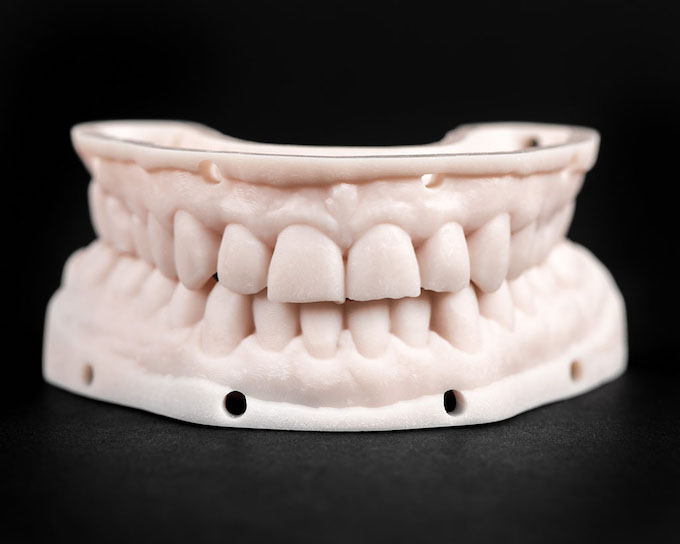
Modern dentistry has changed dramatically over the past two decades. One of the biggest drivers of that change is the advancement of zirconia materials. These materials have redefined what is possible in dental restorations, offering strength, esthetics, and longevity that older options simply could not match.
For dentists across the Greater Phoenix area — from Scottsdale to Chandler — understanding zirconia is increasingly important. Your patients ask about it. Your treatment plans depend on it. And the lab you choose to work with should know it inside and out.
At Dentek Digital, we have worked with zirconia since the early days of the digital CAD/CAM workflow. In this post, we break down the science behind modern zirconia, how it has evolved, and why it continues to lead the field of dental restoration.
What Is Zirconia and Why Does It Matter?
Zirconia, or zirconium dioxide, is a ceramic material known for its exceptional strength and biocompatibility. It belongs to a group of high-performance ceramics used across aerospace, medical, and dental industries. In dentistry, it serves as the foundation for crowns, bridges, implant restorations, and more.
What makes zirconia stand out is its unique combination of properties. It is strong enough to withstand the forces of chewing. It is also compatible with human tissue, meaning the body rarely rejects it. Additionally, it can be milled with great precision using CAD/CAM technology, which is exactly how we fabricate restorations at Dentek Digital.
The Role of Crystalline Structure
Zirconia exists in three crystalline phases: monoclinic, tetragonal, and cubic. Each phase behaves differently under stress and temperature. The tetragonal phase is particularly important in dentistry because of a phenomenon called transformation toughening.
When a crack begins to form in tetragonal zirconia, the material transforms to the monoclinic phase. This transformation expands the crystal structure slightly. As a result, it actually closes the crack rather than allowing it to spread. This self-healing quality is one reason zirconia is so durable in clinical use.
Stabilizers and Their Impact
Pure zirconia is unstable at room temperature. Therefore, manufacturers add stabilizing oxides — most commonly yttria (yttrium oxide) — to lock the material into a more stable phase. The amount of yttria used significantly affects the material’s properties. Lower yttria content increases strength. Higher yttria content increases translucency. This balance is at the heart of modern zirconia formulation.
The Evolution of Zirconia Generations
Zirconia has evolved through several distinct generations. Each generation has brought meaningful improvements in esthetics, strength, and clinical versatility. Understanding these generations helps dentists make better material decisions for their patients.
First-Generation Zirconia: Built for Strength
Early zirconia was opaque and very white. It was incredibly strong, but it looked more like porcelain than a natural tooth. Many labs veneered it with feldspathic porcelain to improve the appearance. However, that approach introduced chipping risks at the veneer-zirconia interface.
First-generation zirconia worked well for posterior restorations where esthetics mattered less. For anterior cases, it presented challenges. Still, it was a major improvement over metal-based alternatives in terms of biocompatibility and tissue response.
Second and Third-Generation Zirconia: The Esthetic Shift
Manufacturers soon realized that dentists and patients wanted more natural-looking results. Second and third-generation zirconia introduced higher yttria concentrations. This increased the cubic phase content and allowed more light to pass through the material. The result was a noticeably more translucent restoration.
Meanwhile, flexural strength decreased slightly with higher translucency. Because of this, labs and dentists had to match the material grade to the clinical situation. High-translucency zirconia became ideal for anterior crowns. High-strength zirconia remained the choice for posterior bridges and high-load cases.
Multi-Layer and Gradient Zirconia
More recently, manufacturers developed multi-layer zirconia discs. These discs are engineered with varying yttria concentrations from one side to the other. The incisal area is more translucent. The cervical area is more opaque and stronger. This gradient mimics the natural appearance of a real tooth more closely than any earlier material.
Furthermore, modern gradient zirconia can be milled in full contour without porcelain layering. This eliminates the chipping risk entirely. For busy practices in Mesa, Gilbert, and Tempe, that translates to fewer remakes and more predictable results.
How CAD/CAM Technology Unlocks Zirconia’s Potential
Zirconia cannot be cast or pressed like traditional ceramics. Instead, it must be milled from pre-fabricated blocks or discs using computer-controlled equipment. This is where CAD/CAM technology becomes essential.
At Dentek Digital, we use advanced milling systems to carve restorations from zirconia with exceptional precision. The digital workflow begins with a scan — either from an intraoral scanner at the dental office or from a physical impression we scan in-house. From there, our technicians design the restoration digitally and send the file to the mill.
Sintering: The Final Transformation
After milling, zirconia goes through a process called sintering. During sintering, the restoration is fired in a high-temperature oven. The material shrinks predictably — typically around 20 to 25 percent — as it densifies to its final hardness.
Manufacturers account for this shrinkage in their disc design. Our milling software also compensates for it during the design phase. Therefore, the final restoration fits with precision despite the dimensional change. Sintering is what gives zirconia its final, hard, ceramic-like structure.
Staining, Glazing, and Surface Finishing
Once sintered, zirconia can be customized with stains and glazes to achieve lifelike color and surface texture. Modern staining systems allow technicians to blend shades across the restoration. This creates depth and vitality that closely mimics natural enamel.
Surface finishing also plays a role in the final outcome. Polished zirconia surfaces are smooth and kind to opposing teeth. Additionally, glazed surfaces help the restoration shed plaque more easily over time. These finishing steps are where skilled craftsmanship and science come together.
Choosing the Right Zirconia for the Clinical Situation
Not all zirconia is the same, and choosing the right grade matters. The decision depends on several factors: the location of the restoration, the amount of occlusal load, the esthetic demands, and the available tooth structure.
Here is a general guide to help dentists think through material selection:
- High-strength zirconia: Best for posterior crowns and long-span bridges where load-bearing capacity is the priority.
- High-translucency zirconia: Ideal for anterior single-unit crowns where natural appearance is the primary goal.
- Multi-layer gradient zirconia: A strong choice for cases that need both esthetics and strength, such as premolar crowns or implant-supported restorations.
- Monolithic full-contour zirconia: Excellent for patients who brux or have limited interocclusal space, because there is no porcelain layer to chip.
If you are unsure which grade fits a specific case, our team at Dentek Digital is always available to help you make the right call. Contact Dentek Digital to discuss your next zirconia case with an experienced lab technician.
Zirconia in Implant Dentistry
Zirconia has also become a preferred material for implant-supported restorations. Its strength makes it capable of handling the forces placed on implant crowns and bridges. Its tooth-like color eliminates the risk of gray metal showing through the gingiva.
For practices in Scottsdale and Chandler that offer implant services, zirconia restorations can simplify the workflow while elevating results. At Dentek Digital, we fabricate implant crowns, bridges, and full-arch restorations from zirconia using a fully digital workflow. We also offer digital implant planning services to support your treatment from the start.
Frequently Asked Questions About Zirconia Materials
Is zirconia stronger than porcelain-fused-to-metal?
In most cases, yes. Zirconia offers comparable or greater flexural strength than porcelain-fused-to-metal restorations. Additionally, it eliminates the risk of porcelain chipping away from a metal substructure. However, the specific grade of zirconia matters, so always discuss material selection with your lab.
Can zirconia be used for anterior teeth?
Yes. High-translucency and multi-layer gradient zirconia grades are well-suited for anterior restorations. Modern zirconia can closely mimic the optical properties of natural enamel. As a result, anterior cases that once required layered porcelain can now be achieved in full-contour zirconia.
How long do zirconia restorations last?
Zirconia restorations are among the most durable options in modern dentistry. Clinical performance depends on proper case selection, occlusion management, and oral hygiene. While we cannot guarantee specific outcomes, zirconia’s track record in dental practice is strong and continues to grow.
Does zirconia require special preparation design?
Zirconia is more forgiving than feldspathic porcelain, but preparation design still matters. Adequate thickness is important for strength and esthetics. Our team can provide preparation guidelines for any zirconia product we offer, so your preps support the best possible outcome.
What is the difference between monolithic and layered zirconia?
Monolithic zirconia is milled in full contour from a single disc with no added porcelain. Layered zirconia uses a zirconia coping with feldspathic porcelain applied on top. Monolithic restorations are more fracture-resistant. Layered restorations offer more esthetic flexibility in complex anterior cases. Your lab can help you choose based on the clinical demands.
Partner With a Lab That Understands Zirconia
Zirconia materials have transformed what dental labs can deliver. The science behind them is sophisticated. However, the outcomes they enable are straightforward: stronger restorations, better esthetics, and more confident patients walking out of dental offices across Mesa, Gilbert, Tempe, and the rest of the Greater Phoenix area.
At Dentek Digital, we stay current with every generation of zirconia technology. We combine that knowledge with skilled lab craftsmanship and a fully digital workflow to deliver restorations you and your patients can count on.
Ready to put that expertise to work for your practice? Contact Dentek Digital today to send us a case or explore your zirconia restoration options. We are here to help you deliver the best possible results for your patients.