
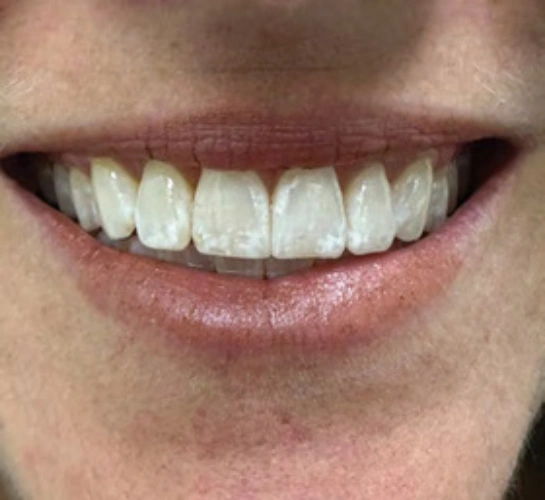
Same-day crowns have changed the way dental practices serve patients. However, speed should never come at the expense of accuracy or durability. Quality control is the foundation that makes fast turnarounds both safe and reliable.
For dentists across Arizona — from Tucson to the Greater Phoenix area — working with a trusted digital dental lab matters. Therefore, understanding what quality control actually looks like in a modern CAD/CAM workflow is essential for any practice offering same-day or rapid-turnaround crowns.
At Dentek Digital, we combine advanced technology with skilled craftsmanship. As a result, the crowns we fabricate meet the highest standards available today. In this post, we walk through the key quality control checkpoints that should define same-day crown production.
What Makes Same-Day Crowns Different?
Traditional crowns required multiple appointments and weeks of lab time. Same-day crowns rely on digital scanning, CAD/CAM dentistry, and in-office or lab-side milling to deliver a restoration in hours. Because of this, the entire fabrication process is compressed into a single workflow.
This compression creates unique quality control challenges. Every step — from scanning to milling to finishing — must be executed precisely. Moreover, there is less margin for error when the crown goes to the patient the same day.
The Role of Digital Scanning Accuracy
The crown can only be as good as the scan. Additionally, a poor intraoral scan leads to poor fit, which creates problems downstream. High-resolution digital impressions eliminate the distortion that traditional putty impressions can introduce.
Practices across Tucson, Phoenix, Scottsdale, and Chandler are increasingly adopting intraoral scanners. These devices capture tooth geometry with remarkable precision. However, proper technique and regular calibration still matter.
CAD Design as a Quality Checkpoint
Once the scan is captured, the restoration design begins in the CAD software. This is a critical quality control checkpoint. Skilled technicians review occlusal contacts, margin fit, and proximal contacts before milling begins.
Furthermore, experienced technicians can identify design flaws that software alone might miss. At Dentek Digital, our team reviews every case with trained eyes. Therefore, errors are caught before a single block of ceramic is touched.
Key Quality Control Standards in CAD/CAM Crown Fabrication
Quality control in same-day crown production is not one step — it is a series of checkpoints. Each phase of fabrication demands its own standard. Below are the core areas where quality control must be applied consistently.
Material Selection and Verification
Not all milling materials perform equally. For same-day crowns, material selection directly impacts strength, esthetics, and longevity. Common options include zirconia, lithium disilicate, and high-strength feldspathic ceramic blocks.
Additionally, materials must be verified before milling. Using the wrong material shade, size, or batch can compromise the final restoration. Therefore, a reliable lab maintains strict material inventory controls.
Milling Machine Calibration
Milling machines must be regularly calibrated to maintain accuracy. Even small deviations in the cutting path can affect margin fit. As a result, routine calibration is a non-negotiable quality control standard.
Furthermore, milling burs wear over time. A worn bur introduces surface irregularities that impact fit and polish. Replacing burs on a consistent schedule is a simple but important quality measure.
Margin Fit Evaluation
Marginal fit is one of the most critical indicators of crown quality. A poorly fitting margin allows bacteria to enter, which can lead to decay beneath the crown. Therefore, every crown should be checked against a model or die before delivery.
At Dentek Digital, we evaluate margin fit as a standard step for every restoration we produce. Meanwhile, we also check internal fit to ensure the crown seats fully without rocking or resistance.
Occlusal and Contact Verification
A crown that hits too hard in occlusion causes discomfort and can fracture. On the other hand, a crown with weak proximal contacts leads to food impaction and gingival issues. Both scenarios are preventable with thorough quality control checks.
Digital articulation tools allow technicians to simulate bite forces before the crown ever leaves the lab. In addition, physical verification on a model remains a valuable confirmation step.
Why Quality Control Matters More for Same-Day Cases
In a traditional workflow, a dentist can seat a temporary crown and wait for the final restoration. With same-day crowns, the patient leaves with the final crown in place. Because of this, there is no second chance to catch errors before delivery.
This reality makes pre-delivery quality control even more important. First, the scan must be verified. Next, the design must be reviewed. Then, the milled restoration must be evaluated before any finishing or glazing occurs.
The Human Element in Digital Dentistry
Technology handles many tasks well, but human oversight remains essential. Experienced lab technicians recognize subtle issues that automated checks may miss. Furthermore, their judgment guides decisions about remilling, adjusting, or redesigning a case.
Dentek Digital was one of the earliest digital dental labs in the country to adopt the CAD/CAM workflow. As a result, our technicians bring years of experience to every case. That expertise is a key part of our quality control process.
Supporting Dental Practices Across Arizona
Practices offering same-day crown services in Tucson, Mesa, Gilbert, and across the Greater Phoenix area rely on their lab partners for consistent quality. Moreover, a reliable lab reduces chair time, remakes, and patient callbacks.
When a crown comes back fitting correctly the first time, everyone wins. Therefore, choosing a lab with rigorous quality control standards is one of the most valuable decisions a dental practice can make.
Ready to work with a lab that takes quality seriously? Contact Dentek Digital to send us your next case and experience the difference firsthand.
Best Practices for In-Office Quality Control
Lab quality control and in-office quality control work together. Even the best crown requires proper seating technique and verification at chairside. Here are practical steps dental practices can follow.
- Verify the scan before submitting. Review the digital impression for voids, bubbles, or missing margin detail before sending it to the lab.
- Check the crown on a model before seating. If a physical model is available, seat the crown there first to evaluate fit and contacts.
- Use articulating paper or digital bite sensors. Confirm occlusal contacts are balanced and within an acceptable range.
- Evaluate the margins under magnification. Loupes or a microscope reveal margin gaps that the naked eye can miss.
- Document the outcome. Keeping records helps identify patterns and improve the overall workflow over time.
How Dentek Digital Supports Your Quality Standards
Dentek Digital serves dental practices across the Greater Phoenix area, including communities like Tempe, Scottsdale, Mesa, and beyond. Furthermore, we regularly support cases for practices with patients traveling from Tucson and other parts of Arizona.
Our digital workflow is designed to deliver precision at every step. Additionally, our team is available to discuss case details, material options, and design preferences before fabrication begins. Because of this, we become a true partner in your clinical success.
We fabricate a full range of fixed restorations, including crowns, bridges, and implant-supported restorations. In addition, we offer removables, splints, nightguards, and advanced services like TattooTH and digital implant planning.
Frequently Asked Questions About Same-Day Crown Quality Control
What is the most important quality control step for same-day crowns?
Marginal fit evaluation is widely considered the most critical step. A crown that does not seal at the margin creates risk for the patient. Therefore, every crown should be verified before delivery.
Can a same-day crown match the quality of a traditionally made crown?
Yes, with the right digital workflow and materials, same-day crowns can match or exceed the quality of traditional restorations. However, the lab and in-office processes must both meet high standards.
How often should milling machines be calibrated?
Calibration schedules vary by machine and usage volume. However, most manufacturers recommend regular calibration checks and bur replacement intervals. Following these guidelines protects restoration accuracy.
What materials are best for same-day crowns?
Lithium disilicate and high-translucency zirconia are among the most popular choices for same-day milled crowns. Furthermore, material selection should be guided by the tooth location, occlusal load, and esthetic needs of the case.
How does working with a professional dental lab improve quality control?
A professional lab brings trained technicians, calibrated equipment, and structured quality checkpoints to every case. As a result, practices benefit from consistent outcomes without managing the full fabrication process in-house.
Partner With a Lab That Puts Quality First
Same-day crowns deliver real value to patients and practices alike. However, that value depends entirely on the quality of the restoration. Cutting corners on quality control leads to remakes, patient dissatisfaction, and lost time.
Dentek Digital has built its reputation as a national leader in digital dentistry on one principle: quality at every step. From scan review to final polish, we apply rigorous standards to every case we produce.
If you are a dental practice in Tucson, Phoenix, or anywhere across Arizona looking for a digital lab partner you can trust, we are ready to work with you. Explore your options and contact Dentek Digital today to get started.