
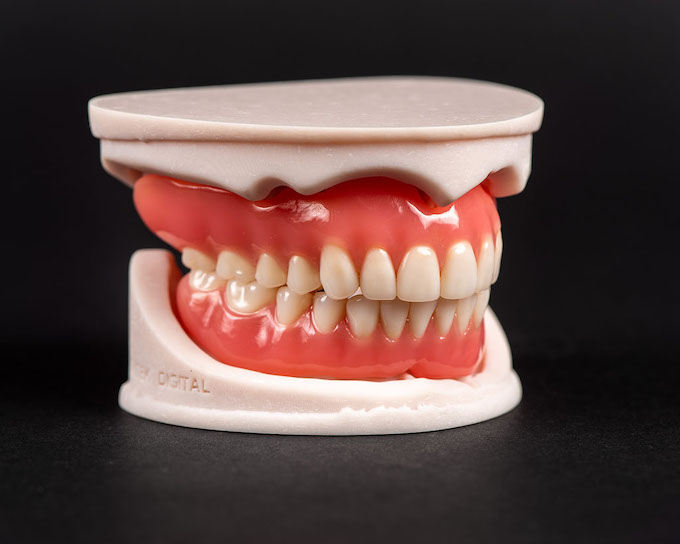
Every dental restoration that leaves a lab must meet a high standard. Dental lab quality assurance is the system that makes that possible. Without it, even the most advanced CAD/CAM technology cannot guarantee consistent, reliable results.
At Dentek Digital, we take quality control seriously. Our team in Phoenix, Arizona, builds structured checkpoints into every step of the fabrication process. Therefore, every crown, bridge, implant restoration, and removable that leaves our lab meets the precise specifications your patients need.
In this post, we walk through the core quality assurance protocols used in modern digital dental labs. Whether you practice in Scottsdale, Mesa, Tempe, or Chandler, understanding these protocols helps you choose the right lab partner with confidence.
Why Quality Assurance Matters in Digital Dentistry
Digital dentistry has transformed how dental restorations are designed and fabricated. CAD/CAM dentistry allows labs to produce restorations with remarkable precision. However, technology alone does not eliminate the need for human oversight and structured quality checks.
A restoration that fits poorly causes problems for both the dentist and the patient. It can lead to remakes, chair time, and patient discomfort. Because of this, quality assurance is not optional — it is essential to every case.
Furthermore, dental practices that partner with a high-quality lab see fewer remakes. They also deliver better patient outcomes. That is a meaningful advantage for any practice in the Greater Phoenix area.
The Cost of Skipping Quality Checks
Labs that rush production without proper checks put every case at risk. A missed margin, an improper occlusal contact, or a shade mismatch can derail a case entirely. Additionally, repeated errors damage the trust between a lab and the dental practices it serves.
On the other hand, labs with rigorous quality protocols build lasting partnerships. Dentists in Gilbert, Chandler, and across the Valley rely on those relationships to run efficient, patient-focused practices.
Core Quality Assurance Protocols in a Digital Dental Lab
Modern digital labs use a multi-stage quality assurance system. Each stage targets a specific part of the fabrication workflow. Together, they create a reliable safety net for every case.
1. Digital Scan Verification
Quality assurance begins the moment a case arrives at the lab. First, the technician reviews the digital scan for completeness and accuracy. A scan with missing margins or distorted anatomy cannot produce a reliable restoration.
At Dentek Digital, we evaluate every scan before moving to the design phase. If a scan does not meet our standards, we contact the dental practice right away. This early check prevents problems from cascading through the rest of the workflow.
2. CAD Design Review
Next, the technician designs the restoration using CAD software. This step requires both technical skill and clinical knowledge. The design must account for proper margins, contours, occlusal contacts, and interproximal fit.
A senior technician reviews the digital design before it moves to milling or printing. Therefore, errors in the design are caught before any material is used. This review step is one of the most important checkpoints in the entire process.
3. Milling and Printing Quality Control
Once the design is approved, the restoration moves to fabrication. Milling machines and 3D printers must be calibrated regularly to maintain accuracy. Moreover, the materials used — zirconia, lithium disilicate, PMMA, and others — each require specific settings and handling procedures.
Technicians inspect each unit immediately after milling or printing. They check for surface defects, dimensional accuracy, and structural integrity. As a result, any flawed unit is flagged before it moves to the finishing stage.
4. Fit and Margin Evaluation
After fabrication, every restoration is evaluated on the digital model. Technicians check the marginal fit, internal adaptation, and proximal contacts. These checks mirror what the dentist will evaluate at the try-in appointment.
A well-fitting restoration seats passively and requires minimal adjustment chairside. For implant cases especially, precise fit is non-negotiable. Practices in Mesa and Scottsdale that partner with Dentek Digital consistently report fewer chairside adjustments because of this step.
5. Shade and Aesthetics Verification
For aesthetic restorations, shade matching is a critical part of quality assurance. Technicians evaluate the shade, translucency, and surface texture against the prescription and any shade photos provided. Furthermore, highly trained ceramists hand-layer and stain restorations when a custom aesthetic result is required.
At Dentek Digital, we also offer TattooTH, our advanced surface characterization service. It delivers natural-looking results that blend seamlessly with a patient’s existing dentition.
6. Final Inspection Before Shipping
Every restoration goes through a final inspection before it leaves the lab. This review covers occlusal anatomy, surface finish, shade, and overall case compliance. In addition, the technician confirms that all items in the prescription are included and properly labeled.
This final step is the last line of defense before the case reaches the dental practice. It is a simple but powerful protocol that prevents avoidable errors from reaching the chair.
How Technology Supports Quality Assurance
Advanced technology plays a major role in modern dental lab quality assurance. Digital workflows reduce many of the variables that cause errors in traditional lab processes. However, technology is most effective when it is paired with skilled human oversight.
CAD/CAM Precision and Repeatability
CAD/CAM systems produce restorations with a level of dimensional consistency that manual fabrication cannot match. Milling tolerances are tightly controlled, and software-driven designs are highly repeatable. Therefore, each unit produced from the same design file will be virtually identical.
Dentek Digital was one of the earliest adopters of the digital CAD/CAM workflow in the country. That experience gives our team a deep understanding of what the technology can — and cannot — do on its own.
Digital Implant Planning
For implant cases, digital planning adds another layer of accuracy. Our team uses advanced software to plan implant placement and design prosthetics with precision. As a result, surgical guides and implant restorations fit as planned from the very start.
Practices across the Greater Phoenix area — from Tempe to Gilbert — use our digital implant planning service to achieve more predictable surgical and restorative outcomes.
Calibration and Equipment Maintenance
Even the best equipment drifts over time without proper maintenance. Milling units, sintering furnaces, and scanners all require regular calibration. Additionally, materials must be stored and handled correctly to perform as expected.
Dentek Digital follows a structured equipment maintenance schedule. This keeps our fabrication systems running at peak performance and ensures consistent output across every case.
Building a Quality-Focused Lab Partnership
Quality assurance does not only happen inside the lab. It also depends on the communication and workflow between the lab and the dental practice. A strong lab partnership improves quality at every stage.
Clear Prescriptions and Case Information
A detailed prescription sets the foundation for a quality outcome. It should include shade information, material preferences, occlusal scheme, and any special instructions. Moreover, high-quality photos and accurate digital scans give the technician the information needed to produce the best result.
When case information is incomplete, labs must make assumptions. Those assumptions can lead to remakes. Therefore, clear communication from the start is one of the simplest quality assurance tools available.
Turnaround Time and Workflow Planning
Rushing a case increases the risk of errors. Quality labs build realistic turnaround times that allow for every inspection step. In addition, planning ahead for complex cases — like full-arch implant restorations — ensures that enough time is available for proper quality checks.
Dentek Digital works closely with dental practices in Phoenix, Mesa, Chandler, Scottsdale, and the surrounding communities to plan cases efficiently. We want every case to arrive on time and meet your clinical expectations. Contact Dentek Digital today to discuss your next case and how we can support your practice.
Frequently Asked Questions About Dental Lab Quality Assurance
What is dental lab quality assurance?
Dental lab quality assurance is a system of checks and protocols used to verify that every restoration meets precise clinical standards. It covers everything from scan review and design approval to final inspection before shipping.
How does CAD/CAM technology improve quality control?
CAD/CAM systems reduce human error by automating key parts of the fabrication process. They produce highly repeatable results and allow technicians to catch design issues digitally before any material is used. However, skilled human oversight is still essential at every stage.
How many inspection steps should a quality dental lab use?
A thorough digital dental lab should have multiple inspection points throughout the workflow. These typically include scan verification, design review, post-fabrication inspection, fit evaluation, shade verification, and a final pre-shipment check.
What can a dental practice do to support better lab outcomes?
Practices can support better outcomes by submitting complete, accurate prescriptions and high-quality digital scans. Clear shade information and photos also help the lab deliver aesthetic results that meet your patient’s expectations. Good communication with your lab partner makes a significant difference.
Does Dentek Digital handle implant restorations with the same quality protocols?
Yes. Implant restorations go through the same multi-stage quality assurance process as all other case types. Additionally, implant cases benefit from our digital implant planning service, which adds precision to both the surgical and restorative phases of treatment.
Partner With a Lab That Puts Quality First
Consistent, high-quality restorations start with a lab that takes quality assurance seriously. Dentek Digital has built its reputation in Phoenix and across Greater Arizona on exactly that commitment. We combine advanced CAD/CAM technology with skilled craftsmanship and rigorous quality protocols to deliver restorations you can trust.
Whether your practice is in Scottsdale, Tempe, Gilbert, Chandler, or anywhere else in the Valley, we are ready to be your lab partner. Our team is here to support your workflow, reduce your remakes, and help you deliver outstanding outcomes for your patients.
Ready to experience the Dentek Digital difference? Send us a case and see our quality assurance process in action. Reach out to our team today and let’s build something great together.