
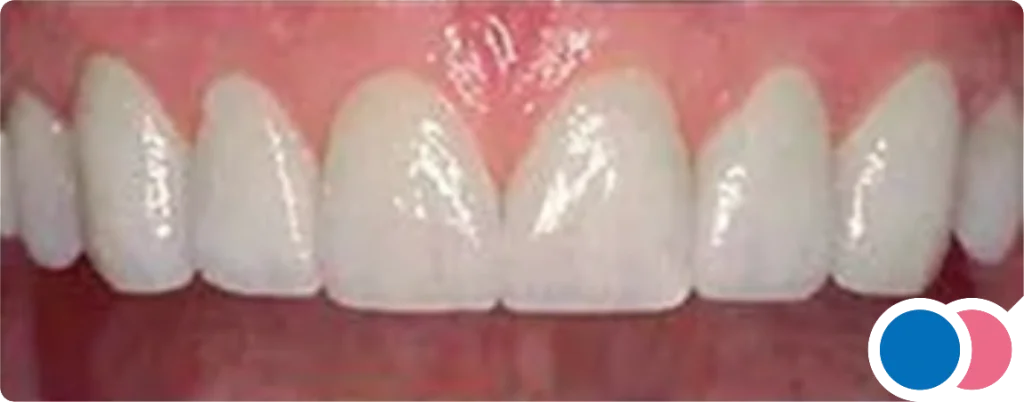
Losing a tooth can affect more than your smile. It can change how you eat, speak, and feel about yourself. Fortunately, permanent dental implants offer a reliable, long-lasting solution for patients and the dental professionals who serve them. Whether you are a dentist in Phoenix, Mesa, Tempe, or Chandler, understanding the implant restoration process helps you deliver better outcomes for your patients.
At Dentek Digital, we work closely with dental practices across the Greater Phoenix, Arizona area. We fabricate high-quality implant restorations using advanced CAD/CAM technology. Our goal is to help dentists provide precise, durable, and natural-looking results every time.
In this guide, we cover everything dental professionals need to know about permanent dental implants. We also explain how a digital dental lab like Dentek Digital supports every stage of the restoration process.
What Are Permanent Dental Implants?
Permanent dental implants are prosthetic tooth roots. They are surgically placed into the jawbone to support a crown, bridge, or full-arch restoration. Unlike removable dentures, implants are fixed in place. They look, feel, and function much like natural teeth.
The implant itself is typically made of titanium. It fuses with the surrounding bone through a process called osseointegration. Once healed, the implant provides a stable foundation for the final restoration.
Key Components of a Dental Implant Restoration
Understanding the parts of an implant helps dental teams communicate more clearly. There are three main components involved in every implant restoration.
- The implant fixture: The titanium post placed directly into the jawbone.
- The abutment: The connector piece that links the implant to the crown.
- The crown or prosthesis: The visible, custom-fabricated restoration that mimics a natural tooth.
Each component must fit precisely. Therefore, accurate digital impressions and skilled lab fabrication are essential for success.
Why Permanent Dental Implants Are the Gold Standard
Dental professionals widely consider permanent dental implants the best option for replacing missing teeth. They preserve jawbone structure, support facial aesthetics, and do not rely on adjacent teeth for support. Additionally, they can last for decades with proper care.
For patients, the benefits are clear. They can eat, speak, and smile with confidence. For dentists, implant restorations offer a predictable, high-value service that improves patient satisfaction. Moreover, advances in digital dentistry have made the implant workflow faster and more accurate than ever before.
How Digital Dentistry Improves Implant Outcomes
Traditional implant workflows relied on physical impressions and manual fabrication. Today, digital workflows have changed everything. Intraoral scanners capture precise digital impressions. CAD/CAM software designs the restoration with exceptional accuracy. As a result, fit, function, and aesthetics are all significantly improved.
Dentek Digital was one of the earliest adopters of the CAD/CAM digital workflow in the country. We use this technology every day to fabricate implant restorations for dental practices in Phoenix, Gilbert, Scottsdale, and beyond. Our commitment to digital precision means fewer remakes and better patient outcomes.
The Implant Restoration Process: A Step-by-Step Overview
For dental professionals new to implant restorations, understanding the workflow is important. Each step builds on the last. However, with a skilled digital lab partner, the process becomes much more streamlined.
Step 1: Patient Assessment and Treatment Planning
First, the dentist evaluates the patient’s bone density, gum health, and overall oral condition. Digital imaging, such as CBCT scans, plays a critical role here. These scans provide a 3D view of the jaw, helping the dentist plan implant placement with precision.
Dentek Digital also offers digital implant planning services. This advanced service helps dentists visualize placement before surgery. Because of this, they can anticipate challenges and design the final restoration proactively.
Step 2: Implant Placement Surgery
Next, the oral surgeon or restorative dentist places the titanium implant into the jawbone. This is a surgical procedure performed under local anesthesia. The patient then enters a healing phase, allowing osseointegration to occur.
During this waiting period, dentists can begin coordinating with their lab partner. Sending preliminary case information early helps the lab prepare for the final restoration phase. We encourage dental practices to contact Dentek Digital early in the process so we can plan together for the best possible outcome.
Step 3: Digital Impression and Restoration Design
Once the implant has fully integrated, the dentist takes a digital impression using an intraoral scanner. This scan captures the implant position, the surrounding teeth, and the bite relationship. The digital file is then sent to the lab.
At Dentek Digital, our technicians use advanced CAD software to design the custom abutment and crown. We consider occlusion, aesthetics, and material selection carefully. Furthermore, our digital workflow allows us to communicate with the dentist quickly if any adjustments are needed.
Step 4: Fabrication and Delivery
After design approval, we mill or fabricate the restoration using premium materials. For implant crowns, we commonly work with zirconia, PFM (porcelain-fused-to-metal), or full-cast options depending on the case. Each restoration is finished by our skilled technicians and quality-checked before delivery.
The result is a precise, durable, and natural-looking restoration ready for placement. Dental practices in Mesa, Tempe, Chandler, and across the Phoenix metro area rely on our lab for consistent, high-quality results.
Types of Permanent Implant Restorations We Fabricate
Dentek Digital fabricates a full range of implant-supported restorations. Every case is unique, and we tailor our approach accordingly. Here is an overview of the most common options we produce.
Single-Unit Implant Crowns
Single-unit crowns are the most common implant restoration. They replace one missing tooth with a custom crown supported by a single implant. We fabricate these restorations in a variety of materials to match each patient’s needs and preferences.
Implant-Supported Bridges
When multiple adjacent teeth are missing, an implant-supported bridge may be the best solution. Two implants anchor the bridge, eliminating the need for a removable partial denture. Additionally, this option preserves bone and provides excellent stability.
Full-Arch Implant Restorations (All-on-X)
Full-arch restorations, sometimes called All-on-4 or All-on-X, replace an entire arch of teeth. A small number of implants support a full-arch prosthesis. These cases require careful planning, precise fabrication, and close collaboration between the dentist and the lab. Dentek Digital has extensive experience fabricating these complex restorations.
Custom Abutments
Standard abutments do not always provide the ideal emergence profile or angulation for every case. Custom abutments, designed specifically for each patient’s anatomy, improve gingival contours and restoration fit. We design and mill custom abutments in-house using our CAD/CAM systems.
Material Options for Implant Restorations
Choosing the right material is an important part of the implant restoration process. The decision depends on the location of the tooth, the patient’s bite forces, and aesthetic expectations. However, there is no one-size-fits-all answer.
- Zirconia: Highly aesthetic and very strong. Ideal for anterior and posterior implant crowns.
- PFM (Porcelain-Fused-to-Metal): A tried-and-true option offering a balance of strength and aesthetics.
- Full-Cast Metal: Extremely durable. Often used in posterior regions where aesthetics are less critical.
- Hybrid/Acrylic: Commonly used for full-arch restorations during the transitional phase.
Our team is always available to discuss material recommendations for specific cases. We believe close communication between the lab and the dental team leads to better patient outcomes.
How Dentek Digital Supports Dental Practices in the Phoenix Area
Dentek Digital is more than a fabrication lab. We are a true partner for dental practices throughout the Greater Phoenix, Arizona area. From Scottsdale to Gilbert, Mesa to Tempe, we work alongside dental teams at every stage of the implant process.
Our services extend beyond implant restorations. We also fabricate fixed restorations, removable prosthetics, splints, nightguards, and offer our innovative TattooTH service. Furthermore, our digital implant planning support helps dentists approach complex cases with greater confidence.
Why Dental Practices Choose Dentek Digital
Dentists across Phoenix choose Dentek Digital for several key reasons. First, our digital workflow ensures exceptional accuracy and consistency. Second, our team brings deep expertise in implant prosthetics and CAD/CAM technology. Third, we prioritize communication and responsiveness with every practice we serve.
We were one of the first dental labs in the country to fully embrace the digital CAD/CAM workflow. That experience translates directly into better restorations and smoother case management for our dental partners.
Frequently Asked Questions About Permanent Dental Implants
What makes permanent dental implants different from other tooth replacement options?
Permanent dental implants are surgically anchored into the jawbone. They do not rely on adjacent teeth or removable hardware. As a result, they provide unmatched stability, preserve bone, and function like natural teeth. Most other options, such as bridges or dentures, do not offer the same long-term bone preservation benefits.
How long does the implant restoration process typically take?
The timeline varies depending on the patient and the complexity of the case. However, the overall process often spans several months. This includes the healing period after implant placement, which is necessary before the final restoration can be fabricated and placed.
What digital tools does Dentek Digital use for implant restorations?
We use advanced CAD/CAM software and precision milling equipment to design and fabricate every restoration. We also offer digital implant planning to support pre-surgical case preparation. Our technology allows us to deliver highly accurate restorations with efficient turnaround times.
Can Dentek Digital work with any implant system?
We have experience working with a wide range of implant systems and components. Therefore, we can typically accommodate most cases sent to our lab. We encourage dental practices to contact us with case details before submitting so we can confirm compatibility and plan accordingly.
How should a dental practice submit an implant case to Dentek Digital?
We accept digital scans, CBCT data, and traditional impressions depending on the case type. Our team will guide you through the submission process to make sure we have everything needed for a successful restoration. The more information you provide, the better we can plan and fabricate your case.
Partner with Dentek Digital for Your Implant Cases
Permanent dental implants represent one of the most impactful services a dental practice can offer. They transform patient lives and build long-term trust. However, achieving excellent results requires a skilled, reliable lab partner.
Dentek Digital combines advanced digital technology with experienced craftsmanship to deliver implant restorations that meet the highest standards. We proudly serve dental practices throughout Phoenix, Scottsdale, Mesa, Chandler, Tempe, Gilbert, and the entire Greater Phoenix metro area.
If you are ready to elevate your implant restorations, we are here to help. Explore your options and contact Dentek Digital today to discuss your next case with our team.