
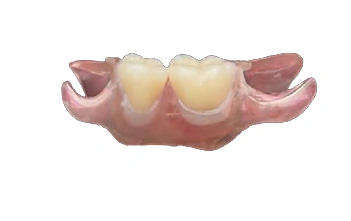
Patients seeking permanent dental implants deserve restorations built with precision and care. For dentists and dental practices, that starts long before the patient sits in the chair. It starts in the dental lab. A high-quality implant restoration depends heavily on the technology, materials, and craftsmanship behind it.
At Dentek Digital, we fabricate implant restorations using advanced CAD/CAM technology. Our digital workflow helps dental professionals deliver outcomes they can trust. We proudly serve practices across Phoenix, Mesa, Tempe, Chandler, Scottsdale, and the greater Arizona region.
Whether you are restoring a single tooth or planning a full-arch case, understanding the implant restoration process matters. This guide walks you through what goes into a high-quality implant crown and how digital dentistry is raising the bar.
What Are Permanent Dental Implants?
Permanent dental implants replace missing teeth at the root level. A titanium post is placed into the jawbone by a surgeon or dentist. Over time, it fuses with the bone in a process called osseointegration. Then, a custom-fabricated restoration is placed on top.
That final restoration — the crown, bridge, or full-arch prosthetic — is what the dental lab creates. It must fit precisely, look natural, and hold up to daily use. Therefore, the quality of the lab work directly affects the patient’s experience.
Types of Implant Restorations
Implant restorations come in several forms. Each serves a different clinical need. Here are the most common types:
- Single-unit implant crowns — Replace one missing tooth with a custom crown on an abutment
- Implant-supported bridges — Span two or more missing teeth using implants as anchors
- Full-arch restorations — Replace an entire arch of teeth, often called All-on-X or full-arch implant prosthetics
- Implant-retained dentures — Removable overdentures that snap onto implant fixtures for added stability
Each type requires careful design and fabrication. Additionally, each type benefits from the precision that digital workflows provide.
How CAD/CAM Technology Improves Implant Restorations
CAD/CAM stands for computer-aided design and computer-aided manufacturing. This technology has transformed how dental labs fabricate restorations. Instead of relying solely on handcrafted techniques, we now design restorations digitally and mill them from high-quality materials.
At Dentek Digital, we were among the earliest adopters of the digital CAD/CAM workflow in the country. Because of this, we have refined our process over many years. Our team combines cutting-edge software with skilled craftsmanship to deliver exceptional results.
Benefits of Digital Fabrication for Implant Cases
Digital fabrication offers real advantages for implant restorations. Here is why it matters for your practice and your patients:
- Precise fit — Digital design allows for exact marginal accuracy and proper emergence profiles
- Consistent quality — Milling from solid material blocks reduces variability
- Faster turnaround — Digital workflows streamline production and reduce delays
- Better communication — Digital files allow easy review and adjustment before fabrication begins
- Material versatility — CAD/CAM supports zirconia, e.max, PMMA, and other high-performance materials
Furthermore, digital impressions eliminate many of the distortions that can occur with traditional PVS impressions. This means cleaner data in and better restorations out.
Materials Used in Permanent Implant Restorations
Material selection plays a big role in implant restoration success. The right material depends on the location in the mouth, occlusal load, and aesthetic needs. Moreover, the dentist’s clinical preference matters too.
Zirconia
Zirconia is one of the most popular materials for implant crowns today. It is strong, biocompatible, and highly aesthetic. High-translucency zirconia blends beautifully with natural teeth. It also resists chipping and fracture under normal biting forces.
We use zirconia extensively at our Phoenix-based lab. It performs well in both anterior and posterior implant cases. Additionally, full-contour zirconia requires fewer layers and reduces the risk of chipping porcelain.
Layered Porcelain Over Zirconia or Metal
For high-aesthetic anterior cases, layered porcelain can add lifelike translucency and depth. However, it requires a skilled ceramist and careful occlusal planning. Our team at Dentek Digital includes experienced technicians who specialize in layered ceramic work.
PMMA and Hybrid Materials
PMMA (polymethyl methacrylate) is often used for provisional restorations during the healing phase. It is easy to adjust and comfortable for patients. Meanwhile, hybrid ceramic materials offer a balance of aesthetics and resilience for final restorations in select cases.
The Digital Implant Planning Advantage
One of the most powerful tools in implant dentistry today is digital implant planning. This process uses cone beam CT scans and digital software to plan implant placement virtually. As a result, the restorative outcome guides the surgical plan — not the other way around.
At Dentek Digital, we offer advanced digital implant planning services. We work closely with referring practices across Scottsdale, Gilbert, Chandler, and the broader Phoenix metro area. Our planning services help ensure the implant is placed in the ideal position for the final restoration.
Why Prosthetically Driven Planning Matters
When implants are placed without a restorative plan, problems can arise. The implant may end up in a position that makes the crown difficult to seat correctly. On the other hand, prosthetically driven planning starts with the desired tooth position and works backward. This leads to better aesthetics, easier restoration, and longer-term success.
Therefore, digital planning is not just a convenience. It is a clinical advantage that benefits both the provider and the patient.
How Dentek Digital Supports Implant Cases
We are more than just a fabrication lab. We are a clinical partner. Dentek Digital works alongside dental professionals to support every stage of the implant restoration process. From digital scanning to final delivery, we are here to help.
Our lab serves practices in Phoenix, Mesa, Tempe, Chandler, Scottsdale, and communities throughout Arizona. We understand the demands of busy dental practices. Additionally, we know that your patients are counting on you — and you are counting on us.
Our Implant Restoration Services Include
- Single-unit implant crowns on custom or stock abutments
- Screw-retained implant crowns and bridges
- Full-arch implant prosthetics (All-on-X style restorations)
- Implant-retained overdentures
- Digital implant planning and surgical guide fabrication
- Provisional PMMA restorations for the healing phase
Furthermore, we offer TattooTH — our advanced solution for highly aesthetic implant and restorative cases requiring an extra level of customization and lifelike appearance.
Tips for Dental Practices Sending Implant Cases to a Digital Lab
Sending a clean, complete implant case to your lab makes a big difference. Here are some practical tips to help your cases run smoothly:
- Use a digital scan body — Always capture the scan body in your intraoral scan for accurate implant position data
- Include a bite scan — Accurate occlusal records are essential for proper crown contacts
- Note the implant system and connection type — This ensures we select the correct components for your case
- Share shade photos — High-quality photos in natural lighting help us match the restoration to adjacent teeth
- Communicate your timeline — Let us know if you have a specific patient appointment so we can plan accordingly
In addition, do not hesitate to call or message our team with case-specific questions. We are here to collaborate and ensure every case meets your expectations.
Frequently Asked Questions About Permanent Dental Implants
What makes a permanent dental implant restoration “permanent”?
The term “permanent” refers to the fact that the restoration is designed for long-term use. Unlike removable dentures, implant crowns and bridges are fixed in the mouth. They function like natural teeth and do not need to be removed for cleaning.
How long does it take for a dental lab to fabricate an implant crown?
Turnaround times vary by case complexity and material. However, digital workflows significantly reduce production time compared to traditional methods. Most single-unit implant crowns can be completed within a few business days once we receive clean digital files.
What digital file formats does Dentek Digital accept for implant cases?
We work with all major intraoral scanner file formats. Additionally, we accept digital impressions from a wide range of scanner systems. Contact our team directly to confirm compatibility with your specific scanner.
Can Dentek Digital help with full-arch implant cases?
Yes, absolutely. We fabricate full-arch implant prosthetics for practices throughout Phoenix and the greater Arizona region. Furthermore, we offer digital implant planning services to support complex full-arch cases from the start.
What should I do if I am unsure which material to choose for an implant case?
Our team is happy to consult with you on material selection. We consider the bite location, occlusal load, aesthetic zone, and patient needs. Therefore, do not guess — reach out and let us help you make the best choice for your patient.
Partner with Dentek Digital for Your Implant Restorations
Delivering outstanding implant results for your patients requires a lab you can rely on. At Dentek Digital, we combine digital precision with hands-on craftsmanship to fabricate restorations that perform beautifully. We are proud to be a trusted partner for dental practices across Phoenix, Mesa, Tempe, Chandler, Scottsdale, and Gilbert.
Our team is ready to support your next implant case — from a simple single crown to a complex full-arch restoration. We make it easy to collaborate, communicate, and get great results every time.
Ready to get started? Contact Dentek Digital today to send us your next case or to discuss how our digital lab services can support your practice.