
Permanent dental implants have transformed the way patients restore missing teeth. They offer a stable, long-lasting solution that looks and feels like natural teeth. For dental professionals, understanding how implants are fabricated is just as important as placing them.
At Dentek Digital, we work closely with dentists across the Greater Phoenix area — including Mesa, Tempe, Chandler, and Scottsdale — to deliver high-quality implant restorations. Our advanced CAD/CAM workflow ensures every component is precise and reliable.
In this guide, we cover what permanent dental implants are, how they work, and what dental professionals should know about the lab side of implant restorations. Whether you are placing your first implant case or refining your current workflow, this resource is for you.
What Are Permanent Dental Implants?
Permanent dental implants are titanium posts surgically placed into the jawbone. They act as artificial tooth roots. Over time, the bone fuses around the post in a process called osseointegration.
Once the implant integrates, a dental restoration is attached on top. This restoration is called a crown, bridge, or implant-supported prosthesis. The result is a tooth replacement that is stable, functional, and natural-looking.
Unlike removable dentures, permanent implants stay fixed in the mouth. Because of this, patients experience improved chewing ability and confidence. Additionally, implants help preserve the jawbone, which can deteriorate after tooth loss.
Key Components of a Dental Implant
Understanding the parts of an implant helps dental professionals communicate more clearly with their lab. There are three main components in a typical implant system.
- Implant fixture: The titanium post placed into the bone.
- Abutment: The connector piece between the fixture and the crown.
- Crown or prosthesis: The visible restoration that mimics the natural tooth.
Each component must fit precisely. Therefore, accurate impressions or digital scans are critical. Even small errors can affect the final outcome significantly.
How CAD/CAM Technology Improves Implant Restorations
CAD/CAM stands for Computer-Aided Design and Computer-Aided Manufacturing. This technology allows dental labs to design and mill restorations with exceptional accuracy. As a result, fit and function are greatly improved.
At Dentek Digital, we were among the earliest adopters of the digital CAD/CAM workflow in the country. We apply this technology to every implant restoration we fabricate. Furthermore, our process reduces turnaround time without sacrificing quality.
Digital workflows also eliminate many manual errors common in traditional lab processes. For dental practices in Mesa, Scottsdale, and across the Phoenix metro area, this means more predictable outcomes for patients.
Digital Scanning vs. Traditional Impressions
Traditional impressions use putty-like materials to capture the shape of a patient’s mouth. However, these can distort and lead to inaccurate restorations. Digital intraoral scans are a faster and more accurate alternative.
When dentists send us a digital scan, our team can begin designing the restoration immediately. Additionally, digital files are easy to store and reference. This streamlines communication between the dental practice and our lab.
We support both workflows at Dentek Digital. However, we always encourage digital submissions when possible. They lead to better-fitting restorations and fewer remakes.
Materials Used in Permanent Implant Crowns
Material selection plays a major role in the longevity of an implant crown. We work with several high-performance materials depending on the case requirements.
- Zirconia: Highly durable and tooth-colored. Ideal for posterior and anterior restorations.
- PFM (Porcelain-Fused-to-Metal): A traditional option offering strength and aesthetics.
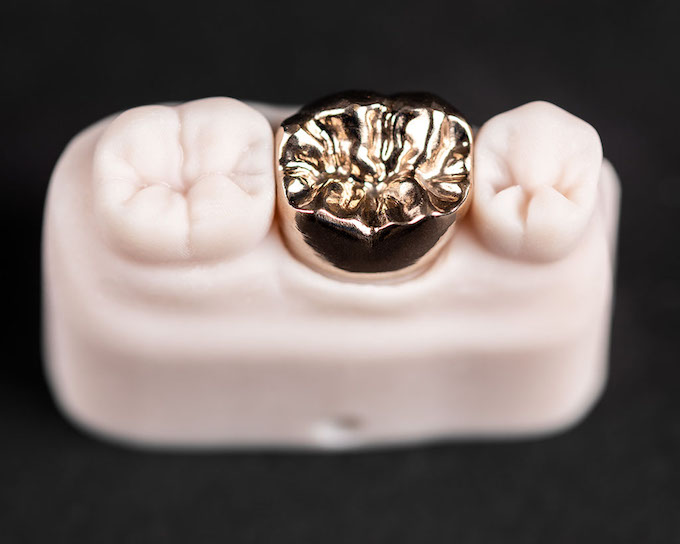
- Full-cast metal: Used in specific cases requiring maximum durability.
- Layered zirconia: Offers enhanced aesthetics with natural translucency.
Our technicians help dental professionals select the best material for each case. Moreover, we consider occlusal forces, aesthetic goals, and patient habits when making recommendations.
The Role of the Dental Lab in Implant Success
Many dental professionals focus on the surgical side of implants. However, the lab’s role is equally important. A poorly fabricated crown can compromise even a perfectly placed implant.
At Dentek Digital, we treat every case as a collaboration. We work with dentists in Tempe, Chandler, and throughout the Phoenix area to ensure each restoration meets the highest standards. Our team reviews every case carefully before fabrication begins.
Furthermore, we offer implant planning services to support more complex cases. This includes digital implant planning, which helps clinicians visualize placement before surgery. As a result, the final restoration fits more predictably.
Digital Implant Planning at Dentek Digital
Digital implant planning uses 3D imaging and software to map out the ideal implant position. First, the patient’s CBCT scan and digital impressions are combined. Then, our team creates a virtual treatment plan.
This process helps reduce surprises during surgery. Additionally, it supports the design of a surgical guide, which directs precise implant placement. Because of this, outcomes are more consistent and predictable.
Dental practices in Scottsdale and Gilbert benefit from this service when handling complex implant cases. We are proud to offer advanced planning tools as part of our comprehensive lab services.
TattooTH: Advanced Implant Identification
Dentek Digital also offers TattooTH, an innovative service that adds a unique identifier to dental restorations. This helps clinicians and patients identify the restoration in the future. Moreover, it supports forensic identification in rare but important situations.
TattooTH is available for implant-supported crowns and bridges. It adds no bulk or visible alteration to the restoration. Therefore, it is a practical addition to any implant case.
What Dentists Should Know About Sending Implant Cases to the Lab
Clear communication is the foundation of a successful implant restoration. Dental professionals should provide thorough case documentation when submitting to the lab. This helps avoid delays and ensures accurate fabrication.
Here are key details to include with every implant submission:
- Implant system brand and model
- Implant size and connection type
- Digital scan or physical impression
- Shade selection with photos if possible
- Desired material and restoration type
- Occlusal notes and any special instructions
Additionally, including bite registration and opposing arch records helps us design proper occlusion. In turn, this reduces the risk of adjustments at delivery.
Common Implant Case Challenges and How We Address Them
Even experienced clinicians encounter challenges with implant cases. Angulated implants, limited interocclusal space, and aesthetic demands can all complicate restoration design. However, our team is experienced in handling these situations.
For angulated implants, we design custom abutments to correct the angle. As a result, the crown emerges naturally from the tissue. Furthermore, we use digital tools to verify fit before milling begins.
Limited space cases require careful planning of restoration thickness. Our technicians work within tight parameters while maintaining strength and function. We always communicate with the referring practice if adjustments are needed.
Frequently Asked Questions About Permanent Dental Implants
How long do permanent dental implants last?
With proper care, permanent dental implants can last for many years or even decades. However, the restoration on top — such as the crown — may need replacement over time. Regular dental checkups help extend the life of both the implant and the restoration.
What materials are best for implant crowns?
Zirconia is one of the most popular choices due to its strength and natural appearance. However, the best material depends on the location of the tooth, bite forces, and aesthetic goals. Your dental lab can help guide material selection for each case.
How does digital scanning improve the implant process?
Digital intraoral scans provide highly accurate records of the implant site. Additionally, they eliminate the distortion that can occur with traditional impressions. As a result, the final restoration fits more precisely and requires fewer adjustments.
Can the dental lab help with treatment planning?
Yes. At Dentek Digital, we offer digital implant planning services to support complex cases. First, we combine imaging data to create a virtual plan. Then, we collaborate with the clinician to finalize the approach before fabrication.
What should I send to the lab for an implant case?
You should include the implant system details, digital scan or impression, shade information, and any special notes about occlusion or aesthetics. The more information you provide, the better we can serve your case and your patient.
Partner With Dentek Digital for Your Implant Restorations
Permanent dental implants require precision at every step. From planning and scanning to fabrication and delivery, each phase matters. Therefore, choosing the right lab partner is one of the most important decisions a dental practice can make.
Dentek Digital serves dental professionals across the Greater Phoenix area, including Mesa, Tempe, Chandler, Scottsdale, and Gilbert. We combine the latest CAD/CAM technology with skilled craftsmanship to deliver restorations you can trust. Moreover, our team is always available to discuss your cases and answer your questions.
Whether you are new to digital implant workflows or looking to elevate your current process, we are here to help. Contact Dentek Digital today to send us a case or request a consultation with our team.