
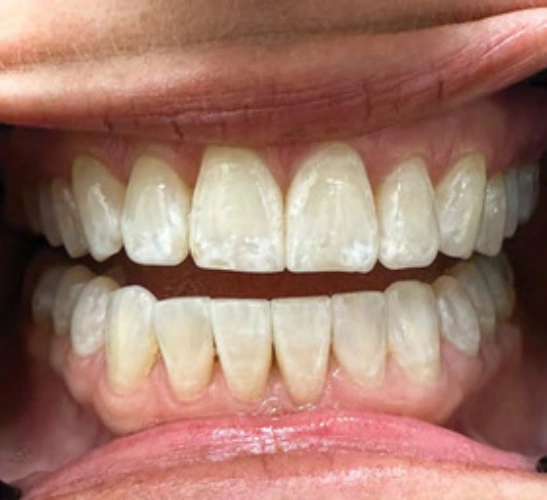
Permanent dental implants have transformed restorative dentistry over the past few decades. They offer patients a long-lasting, natural-looking solution for missing teeth. As a result, more dental practices across the country are turning to digital labs to fabricate the precise restorations their patients need.
At Dentek Digital, we understand what it takes to produce implant restorations that fit right the first time. We combine advanced CAD/CAM technology with skilled craftsmanship. Therefore, the dentists we partner with can deliver consistent, high-quality outcomes for their patients.
Whether you serve patients in Phoenix, Scottsdale, Mesa, or Chandler, the quality of your implant restorations starts at the lab. In this guide, we walk through everything dental professionals should know about how permanent implant restorations are designed and fabricated at a digital dental lab.
What Are Permanent Dental Implants?
Permanent dental implants are titanium posts surgically placed into the jawbone. They act as artificial tooth roots. Over time, they fuse with the bone in a process called osseointegration.
Once the implant integrates, a dental restoration is placed on top. This is where the dental lab plays a critical role. The crown, bridge, or full-arch restoration must fit precisely and look completely natural.
Moreover, the materials used for the restoration matter greatly. Modern digital labs use high-strength zirconia and other advanced materials. These materials deliver both durability and aesthetics that closely mimic natural teeth.
The Difference Between the Implant and the Restoration
Many patients confuse the implant fixture with the visible tooth. However, these are two separate components. The dentist places the implant; the dental lab fabricates the restoration that attaches to it.
The restoration includes the abutment and the crown or prosthesis. Therefore, the lab’s precision directly affects how the final result looks and functions. A well-designed restoration supports healthy gum tissue and proper bite alignment.
Additionally, digital workflows allow labs to design restorations with a level of accuracy that traditional methods simply cannot match. This is one reason why CAD/CAM technology has become the standard in leading dental labs nationwide.
How CAD/CAM Technology Elevates Implant Restorations
CAD/CAM stands for computer-aided design and computer-aided manufacturing. At Dentek Digital, we use this technology for every implant restoration we fabricate. Because of this, our restorations meet tight tolerances that support long-term clinical success.
The digital workflow begins with a scan. The dentist sends us a digital impression or a physical model. Next, our technicians use specialized software to design the restoration in three dimensions.
Then, a milling machine or 3D printer fabricates the restoration from a chosen material. Finally, our team hand-finishes and glazes each piece to achieve a natural appearance. The result is a restoration that fits precisely and looks beautiful.
Benefits of Digital Fabrication for Implant Cases
- Higher accuracy: Digital design reduces the margin for human error in fit and occlusion.
- Faster turnaround: CAD/CAM workflows allow for quicker production without sacrificing quality.
- Material flexibility: We work with zirconia, PFM, and other high-performance materials.
- Consistent results: Digital files can be archived and referenced for future cases.
- Better communication: Digital cases allow for easier collaboration between lab and dentist.
Furthermore, digital workflows reduce the need for remakes. A well-fitted restoration the first time saves your practice time and protects your reputation with patients.
Types of Implant Restorations We Fabricate
At Dentek Digital, we fabricate a full range of implant-supported restorations. Each type serves a different clinical need. Therefore, dentists can rely on us for virtually any implant case.
Single-Unit Implant Crowns
Single-unit crowns are the most common implant restoration. They replace one missing tooth. We design each crown to match the surrounding dentition in shape, shade, and texture.
Additionally, we use high-strength zirconia for most single-unit implant crowns. This material resists chipping and provides excellent long-term performance. It is also highly aesthetic, especially in the anterior region.
Implant-Supported Bridges
Implant-supported bridges replace multiple adjacent missing teeth. They are anchored by two or more implants. As a result, patients avoid the need for a removable partial denture.
Our team uses CAD/CAM software to ensure precise pontic design and proper occlusal contacts. Meanwhile, we pay close attention to the emergence profile for healthy gum integration. This level of detail sets digital fabrication apart from conventional methods.
Full-Arch Implant Restorations
Full-arch restorations, such as All-on-4 or All-on-X cases, replace an entire arch of teeth. These cases require exceptional planning and precision. Therefore, we offer digital implant planning services to support complex full-arch workflows.
Our technicians work closely with the dentist throughout the full-arch process. We design the prosthesis to support facial structure, proper phonetics, and optimal function. Furthermore, we use durable materials that can withstand the demands of a full-arch bite.
Dental practices in Gilbert, Tempe, and across the Greater Phoenix area trust us for these complex cases. We have the experience and technology to handle them with confidence.
Digital Implant Planning: A Smarter Approach
One of our most advanced services is digital implant planning. This service helps dentists visualize the final restoration before surgery even begins. Because of this, it supports more predictable outcomes for both the doctor and the patient.
Digital planning uses 3D imaging data to map the ideal implant position. The lab and dentist collaborate to ensure the restoration will fit perfectly after integration. Moreover, this process can reveal potential challenges before they become clinical problems.
Additionally, digital implant planning supports the fabrication of surgical guides. These guides help the dentist place the implant in the exact planned position. As a result, the restoration fits with greater precision from day one.
Why Digital Planning Matters for Complex Cases
Complex cases benefit the most from digital planning. For example, full-arch restorations or cases with limited bone volume require careful coordination. Planning digitally reduces surprises during surgery and at delivery.
Furthermore, digital records can be shared easily between specialists. This improves communication between the oral surgeon, restorative dentist, and dental lab. On the other hand, cases planned without digital tools often require more adjustments at the chair.
Materials Matter: Choosing the Right Option
The material used for an implant restoration affects its strength, appearance, and longevity. At Dentek Digital, we offer several high-quality material options. Therefore, dentists can select the best fit for each patient’s clinical situation.
Zirconia
Zirconia is one of the most popular materials for implant crowns and bridges. It is extremely strong and highly aesthetic. Additionally, it is metal-free, which appeals to patients with metal sensitivities.
We use multilayer zirconia for cases that require lifelike translucency. This is especially important for anterior restorations. Moreover, zirconia holds up well under heavy bite forces in posterior regions.
Porcelain-Fused-to-Metal (PFM)
PFM restorations offer a strong metal substructure with a porcelain exterior. They have been used successfully in dentistry for many years. However, newer materials like zirconia are often preferred for their all-ceramic aesthetics.
PFM remains a reliable option for certain cases. Our team can advise on which material best suits each clinical situation. First, we consider occlusal forces, esthetics, and the patient’s specific needs.
How Dental Practices Partner with Dentek Digital
Partnering with a digital dental lab is straightforward. At Dentek Digital, we make the process easy for busy dental practices. Our digital workflow is designed to save you time and reduce chair-side adjustments.
First, you send us your case digitally or via traditional impression. Next, we confirm the details and begin designing your restoration. Then, we fabricate and finish the restoration using our advanced equipment.
Finally, we ship the completed restoration to your practice, ready for delivery. Our team is available to answer questions throughout the process. Additionally, we offer consultations for complex or unusual cases.
We serve dental practices across the Greater Phoenix area, including Mesa, Chandler, Scottsdale, Gilbert, and Tempe. However, our reach extends well beyond Arizona. We are recognized as a national leader in digital dental lab services.
Ready to experience the Dentek Digital difference? Contact Dentek Digital today to get started with your next implant case.
Frequently Asked Questions About Permanent Dental Implants
What makes permanent dental implants different from dentures?
Permanent dental implants are fixed restorations anchored into the jawbone. They do not move or require adhesives. On the other hand, dentures are removable and may shift during eating or speaking.
How long does it take for a dental lab to fabricate an implant crown?
Turnaround time varies by case complexity and material. However, digital workflows typically allow for faster production than traditional methods. Your dental lab can give you a specific timeline based on the case details.
What materials are best for implant-supported restorations?
Zirconia is a top choice for most implant restorations because of its strength and aesthetics. Additionally, PFM is still used in specific cases. The best material depends on the location of the tooth and the patient’s bite.
Can a digital dental lab help with full-arch implant cases?
Yes. Digital labs like Dentek Digital specialize in full-arch cases. We offer digital implant planning and full-arch prosthesis fabrication. Furthermore, we work closely with the treating dentist to ensure a precise fit and natural appearance.
How does a dentist send implant cases to Dentek Digital?
Dentists can send cases digitally using scan files or through traditional impression submission. Our team reviews each case and communicates any questions quickly. Therefore, the process stays efficient and collaborative from start to finish.
Partner with Dentek Digital for Precision Implant Restorations
Permanent dental implants represent one of the most impactful services a dental practice can offer. However, the quality of the restoration is just as important as the surgery itself. Therefore, choosing the right dental lab is essential.
At Dentek Digital, we combine cutting-edge CAD/CAM technology with experienced craftsmanship. We are proud to support dental practices across Phoenix, Scottsdale, Mesa, Chandler, Gilbert, and Tempe. Moreover, our digital workflows ensure that every restoration meets the highest standards of fit, function, and aesthetics.
Whether you need a single-unit crown, an implant bridge, or a full-arch prosthesis, our team is ready to help. We make it easy to send cases and get results you can count on every time.
Explore your options and take the next step toward better implant outcomes for your patients. Reach out to the Dentek Digital team today and let us show you what a true digital dental lab can deliver.