
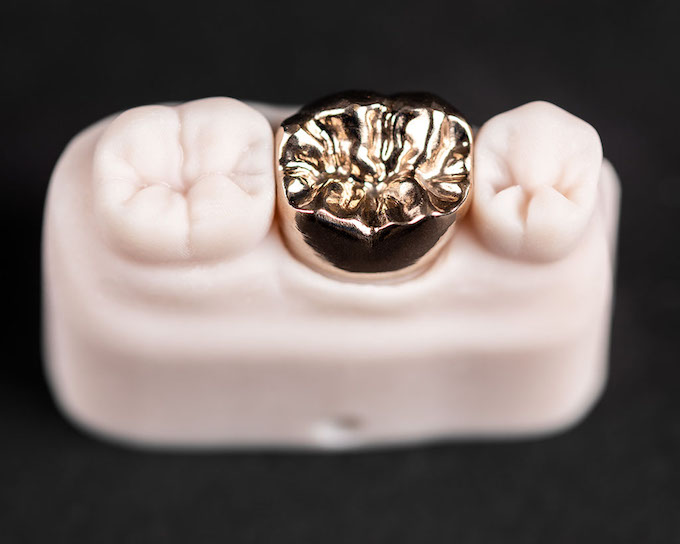
When it comes to full-arch implant cases, multi unit abutment restorations are among the most technically demanding work a dental lab can produce. Precision matters at every step. A poorly fabricated restoration can compromise the entire case.
Dentists in University Park, TX, and beyond are increasingly turning to advanced digital labs for this work. Therefore, choosing the right lab partner is one of the most important decisions you can make for your implant patients.
At Dentek Digital, we specialize in high-quality digital restorations from our Phoenix, Arizona lab. We combine CAD/CAM technology with skilled craftsmanship to deliver results you can trust.
What Are Multi-Unit Abutments?
Multi-unit abutments are small connector components used in implant dentistry. They attach to dental implants and allow a prosthesis to seat at a corrected angle. This is especially useful in full-arch cases where implants are placed at varying angles.
Because of this, multi-unit abutments give clinicians more flexibility during placement. They also create a stable, shared platform for the final restoration to attach to.
How They Differ from Standard Abutments
Standard abutments support a single crown. Multi-unit abutments, on the other hand, are designed to support a bridge or full-arch prosthesis across multiple implants. They often feature angled options — commonly 17° or 30° — to compensate for implant angulation.
Additionally, multi-unit abutments use a smaller-profile connection. This allows more room for the restorative components above the tissue line. As a result, the final prosthesis looks and functions more naturally.
Common Protocols That Use Multi-Unit Abutments
Multi-unit abutments are frequently used in All-on-4 and All-on-X protocols. These treatment concepts use a small number of strategically placed implants to support a full arch of teeth. Furthermore, they are used in fixed implant-supported bridges spanning multiple units.
For many patients, these protocols offer a life-changing solution. However, the success of the restoration depends heavily on the precision of the lab work behind it.
Why CAD/CAM Technology Elevates Multi-Unit Restorations
Traditional analog lab processes rely heavily on manual skill alone. CAD/CAM technology, by contrast, brings digital precision to every stage of fabrication. First, a digital scan or file is imported into design software. Next, the restoration is engineered with exact measurements. Then, a milling machine or 3D printer fabricates the component with consistent accuracy.
At Dentek Digital, we were one of the earliest adopters of the CAD/CAM workflow in the country. Moreover, we continue to invest in the latest digital tools as the technology evolves rapidly.
The Benefits of a Digital Workflow for Implant Cases
A fully digital workflow offers several important advantages for multi-unit implant restorations. These include:
- Improved fit accuracy: Digital design reduces the margin for human error in measurements.
- Consistent material quality: Milled or printed materials perform predictably case after case.
- Faster turnaround: Digital files can be processed more efficiently than traditional impressions.
- Better communication: Digital files are easy to share, review, and revise between the lab and clinician.
- Detailed documentation: Every case is stored digitally, making records accessible for future reference.
Therefore, dentists who partner with a fully digital lab gain a real clinical advantage. Their patients benefit from restorations that fit better and last longer.
Materials Used in Multi-Unit Abutment Restorations
Material selection is a critical part of the restoration process. Zirconia is one of the most popular choices for full-arch prostheses because of its strength and esthetics. However, titanium frameworks are also common, especially when maximum durability is required.
Additionally, hybrid materials — sometimes called PMMA or acrylic hybrids — are often used for provisional restorations during the healing phase. These allow the patient to function while the final restoration is being fabricated. As a result, treatment timelines can be managed more comfortably for the patient.
Serving Dentists Beyond Phoenix: A National Reach
Dentek Digital is based in Phoenix, Arizona, and proudly serves dental practices throughout the Greater Phoenix area. We work with dentists in Mesa, Tempe, Chandler, Scottsdale, and Gilbert every day. However, our reach extends far beyond Arizona.
Because we operate as a fully digital lab, we can partner with dentists anywhere in the country. Clinicians in University Park, TX, can send digital files directly to our lab with ease. Furthermore, we return finished restorations quickly and reliably regardless of geographic distance.
Why Location Doesn’t Limit Quality
In the past, dentists often felt limited to labs in their immediate area. Today, the digital workflow changes that entirely. A scan taken in University Park, TX, can be received and processed by our team in Phoenix within minutes.
Moreover, digital files eliminate the risks associated with shipping physical impressions. There is no mold that can warp, break, or get lost in transit. As a result, the path from scan to finished restoration is faster and more reliable than ever before.
Our Commitment to Arizona Dental Practices
For dentists closer to home in the Phoenix metro area, we offer the same high level of service. Whether you are in Scottsdale treating cosmetic implant cases or in Chandler managing complex full-arch rehabilitations, our lab is ready to support your work.
Additionally, our team in Phoenix brings deep local knowledge of the dental community. We understand the patient expectations and clinical standards that Arizona practices uphold. Therefore, we tailor our lab communication to meet those expectations consistently.
What to Expect When You Partner With Dentek Digital
Working with our lab is a straightforward process. We have designed our workflow to be as smooth as possible for busy dental practices. Here is a general overview of how a multi-unit abutment restoration case moves through our lab:
- Case submission: You send us your scan files, prescription, and case details digitally.
- Design phase: Our technicians use advanced CAD software to design the restoration.
- Fabrication: The restoration is milled or printed using high-quality dental materials.
- Quality review: Each case goes through a thorough inspection before it leaves our lab.
- Delivery: The finished restoration is shipped directly to your practice, ready for seating.
Furthermore, our team is available to answer questions throughout the process. We believe strong communication between the lab and the clinician leads to better outcomes for the patient.
Custom Abutment Solutions We Offer
Beyond standard multi-unit abutment restorations, Dentek Digital offers a full range of custom abutment solutions. We fabricate titanium custom abutments, zirconia custom abutments, and hybrid abutment-crown combinations. Additionally, we offer screw-retained restorations that eliminate the need for cement altogether.
Each solution is designed with the specific implant system, angulation, and esthetic goals of the patient in mind. Therefore, no two cases are treated exactly the same. We approach every case individually.
Tips for Dentists Working With Multi-Unit Abutment Cases
Successfully delivering a multi-unit implant restoration requires careful planning from start to finish. Here are some general best practices that experienced clinicians follow:
- Verify implant positions early: Confirm that implant angulations and positions are documented accurately before submitting to the lab.
- Use a scan body: Scan bodies help the lab identify implant position, depth, and orientation in the digital file.
- Communicate esthetic goals clearly: Provide shade information, photos, and patient preferences whenever possible.
- Plan for provisionals: A provisional restoration during healing gives the patient function while protecting the implants.
- Confirm occlusion carefully: Multi-unit cases require precise bite verification at each stage of treatment.
Moreover, a strong lab relationship makes this process smoother. When you work with a lab that understands implant prosthetics deeply, fewer errors occur and fewer remakes are needed.
Frequently Asked Questions About Multi-Unit Abutment Restorations
What implant systems does Dentek Digital work with?
We work with a wide range of major implant systems. If you have a specific system in mind, contact our team before submitting your case. We will confirm compatibility and advise on the best approach for your restoration.
Can I send cases digitally if I’m not in Arizona?
Yes, absolutely. Because we operate a fully digital workflow, we accept digital case files from dental practices anywhere in the United States. Dentists in University Park, TX, and across the country can partner with us seamlessly.
How long does fabrication take for a multi-unit abutment restoration?
Turnaround time varies depending on the complexity of the case and the materials selected. However, our digital workflow allows us to complete most cases efficiently. Contact our team for specific timeline estimates based on your case details.
What file formats do you accept?
We accept standard digital scan formats used by most major intraoral scanner brands. If you are unsure whether your scanner is compatible, reach out to us before submitting. We will help you determine the best method for sending your files.
Do you offer provisional restorations for full-arch implant cases?
Yes. We fabricate high-quality provisional restorations that allow patients to function during the healing period. Furthermore, we can design provisionals that reflect the planned final esthetics, giving both the clinician and the patient a preview of the final result.
Partner With a Lab That Delivers Precision You Can Count On
Multi-unit abutment restorations require a lab that understands implant prosthetics at a deep level. At Dentek Digital, we bring that expertise to every case we fabricate. Our Phoenix, Arizona lab combines the latest CAD/CAM technology with skilled technicians who care about quality.
Whether you are treating patients in University Park, TX, or in Mesa, Tempe, or Gilbert, Arizona, we are ready to support your practice. We believe that every patient deserves a restoration that fits precisely, functions reliably, and looks natural.
Ready to experience the Dentek Digital difference? Contact Dentek Digital today to send us a case or request a consultation with our team. We look forward to becoming your trusted digital lab partner.