Dental practices in Parkland, FL are increasingly turning to digital dental labs for complex implant work. Multi unit abutment restorations are one of the most technically demanding services a dental lab can provide. When done right, they support full-arch implant cases with precision and consistency.
At Dentek Digital, we specialize in exactly this kind of work. Our lab is based in Phoenix, Arizona, and we partner with dental practices across the country. We combine advanced CAD/CAM technology with skilled craftsmanship to deliver restorations that perform.
If your practice handles complex implant cases, this guide is for you. We will walk you through what multi-unit abutment restorations are, how the digital workflow improves outcomes, and how Dentek Digital can support your cases remotely.
What Are Multi-Unit Abutment Restorations?
Multi-unit abutments, often called MUAs, are specialized components used in full-arch implant cases. They connect to implant fixtures and allow angled correction. This is especially helpful when implants are placed at angles to maximize bone use.
Because of this, MUAs make it possible to restore cases that would otherwise be very difficult. They allow the prosthetic platform to sit at a more favorable angle. As a result, the final restoration fits better and functions more predictably.
How Multi-Unit Abutments Work
Multi-unit abutments screw directly onto the implant. They typically come in straight or angled options. The angled versions help redirect the screw channel to a more accessible position on the prosthesis.
Therefore, they are commonly used in All-on-4 and All-on-X cases. These are full-arch fixed restorations supported by four or more implants. The MUA creates a stable, unified platform for the prosthetic framework above.
Types of Restorations on Multi-Unit Abutments
Several types of restorations can be seated on multi-unit abutments. The most common include:
- Screw-retained implant bridges: Fixed restorations that screw directly into the MUA. They are easy to remove for maintenance.
- Full-arch zirconia bridges: Highly esthetic and durable options for full-arch reconstruction.
- Hybrid prostheses: Frameworks with acrylic or composite over a metal or zirconia base.
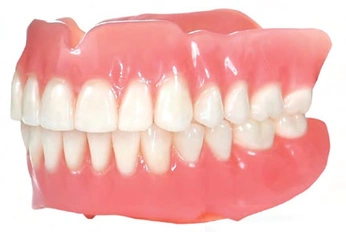
- Implant-supported dentures: Removable or fixed options that attach to MUAs for added stability.
Furthermore, each restoration type requires precise lab fabrication. The margin between a good fit and a failed case is very small. This is why working with an experienced digital lab matters so much.
Why the Digital Workflow Makes a Difference
Traditional lab methods for MUA restorations relied heavily on physical impressions and analog workflows. However, digital dentistry has changed the standard. Today, the most accurate results come from digital scans and CAD/CAM fabrication.
Dentek Digital was one of the earliest adopters of the full digital CAD/CAM workflow in the country. We work from digital files, which means no distortion from physical impressions. Additionally, every step is documented and repeatable.
CAD/CAM Precision for Complex Implant Cases
CAD/CAM stands for Computer-Aided Design and Computer-Aided Manufacturing. In simple terms, we use software to design the restoration and machines to mill or print it. This process is highly accurate and consistent.
For multi-unit abutment restorations, precision is critical. Even a small fit error can cause stress on the implants. As a result, using digital design and milling dramatically reduces those risks.
Moreover, CAD/CAM allows us to work with premium materials like full-contour zirconia. These materials are stronger and more esthetic than older alternatives. They hold up well under the demands of full-arch cases.
Scan Bodies and Digital Implant Records
To design an MUA restoration digitally, we need accurate digital implant records. Your team captures these using scan bodies placed on the MUAs during the intraoral scan. Scan bodies are small components that communicate implant position to the scanner.
Next, those files are sent to our lab. We import them into our design software and build the restoration around the actual implant positions. Therefore, the fit is engineered from the start rather than adjusted after the fact.
In addition, we can also work from analog impressions converted to digital models when needed. We offer flexible intake options to meet your practice workflow.
Supporting Dental Practices Across the Country from Phoenix, Arizona
Dentek Digital is based in Phoenix, Arizona, and recognized as a national leader in digital dentistry. We serve dental practices locally in the Greater Phoenix area, including communities like Mesa, Tempe, Chandler, Scottsdale, and Gilbert. However, our digital workflow allows us to work with practices far beyond Arizona.
Practices in Parkland, FL send us digital files electronically. We design and fabricate the restoration here in Phoenix. Then we ship it directly to your office, ready for delivery to the patient.
Why Remote Digital Lab Partnerships Work
Many dentists assume they need a local lab for complex implant work. In reality, the digital workflow removes that limitation. Because your scan files travel instantly, geography is no longer a barrier.
Moreover, working with a national digital lab like Dentek Digital means access to top-tier technology and experienced technicians. Our team handles high-complexity implant cases regularly. This experience translates into better outcomes for your patients.
Finally, our turnaround process is built to be efficient. We keep communication clear and case management organized from start to finish.
Clinical Considerations for Multi-Unit Abutment Cases
Successful MUA restorations depend on more than lab quality. They require careful coordination between the surgical team, the restorative dentist, and the dental lab. Here are some important considerations to keep in mind.
Implant Position and Angulation
The position and angle of each implant affect which MUA components are appropriate. Surgeons and restorative dentists should ideally plan these cases together before surgery. Digital implant planning tools can help align everyone before the first incision.
At Dentek Digital, we also offer digital implant planning services. This allows the restoration design to guide surgical placement. As a result, cases are more predictable and easier to restore.
Component Compatibility
Multi-unit abutments are implant-system specific. This means the abutment must match the implant brand and connection type exactly. Therefore, knowing the implant system used is essential before lab work begins.
Our team is familiar with a wide range of implant systems. When you send us a case, include the implant brand and platform size. This ensures we select the correct components for your patient.
Occlusion and Load Distribution
Full-arch restorations on MUAs must distribute occlusal load evenly across all implants. Poor load distribution can lead to implant stress over time. Additionally, the final restoration must be designed with the patient’s bite in mind.
We take occlusal design seriously at every stage of fabrication. Our technicians work with the records you provide to create a restoration that performs well functionally. Good esthetics matter, but function comes first.
Frequently Asked Questions About Multi-Unit Abutment Restorations
What is the difference between a standard abutment and a multi-unit abutment?
A standard abutment is used for single-tooth implant restorations. A multi-unit abutment is designed for full-arch cases with multiple implants. MUAs create a unified platform across several implants for a shared prosthesis.
Can Dentek Digital work with any implant system?
We are experienced with many major implant systems. However, we need the implant brand, connection type, and platform size to select the correct components. Always include this information when you send us a case.
Do I need intraoral scans to work with your lab?
Digital scans are preferred and produce the most accurate results. However, we can also work from analog impressions when necessary. Contact our team to discuss the best workflow for your case.
How long does fabrication typically take?
Turnaround time varies depending on the complexity of the case and the type of restoration. We provide estimated timelines when you submit your case. Our team communicates clearly throughout the process.
What materials do you use for full-arch MUA restorations?
We most commonly fabricate full-arch restorations using high-strength zirconia. We also work with titanium frameworks and hybrid materials depending on the case needs. We select materials based on function, esthetics, and long-term durability.
Tips for Dentists Considering a Digital Lab Partnership
If you are ready to elevate your implant cases, here are a few practical tips for getting started with a digital dental lab.
- Document your implant systems: Keep a record of every implant brand and platform you place. This makes case submission faster and reduces errors.
- Invest in a quality intraoral scanner: A high-accuracy scanner improves every step of the digital workflow. It pays off in better-fitting restorations and fewer remakes.
- Communicate early: Contact the lab before complex cases to discuss design goals, material choices, and timelines.
- Include comprehensive records: Photos, bite records, and opposing arch scans all contribute to a better restoration design.
- Plan surgically and restoratively together: The best outcomes happen when the surgical and restorative phases are coordinated from the start.
Additionally, ask your lab about services like digital implant planning. These tools help align your entire team before treatment begins. They reduce surprises and improve the patient experience.
Partner with Dentek Digital for Your Complex Implant Cases
Multi unit abutment restorations require a lab that understands the full picture. From digital design to precision milling, every step matters. At Dentek Digital, we bring national-level expertise and advanced CAD/CAM technology to every case we handle.
We proudly serve dental practices across the Greater Phoenix area, including Mesa, Scottsdale, Tempe, Chandler, and Gilbert. Moreover, our digital workflow allows us to collaborate with practices anywhere in the country, including Parkland, FL.
Whether you are handling your first full-arch case or looking to improve your existing implant workflow, we are here to help. Contact Dentek Digital today to send us a case or request a consultation with our team. Let us show you what a true digital lab partnership can do for your practice and your patients.