Managing high volume restorations is one of the biggest operational challenges dental practices face today. As patient demand grows, the pressure to deliver accurate, timely, and consistent restorations increases. Therefore, having a reliable system in place is no longer optional — it is essential.
Practices across the Greater Phoenix area, from Chandler to Scottsdale, are rethinking how they handle large restorative caseloads. Many are turning to digital workflows and advanced dental lab partnerships to keep pace. As a result, they are seeing fewer remakes, faster turnaround times, and more satisfied patients.
At Dentek Digital, we work every day with dentists who are scaling their restorative output. We understand what it takes to manage volume without sacrificing quality. This guide shares practical strategies to help your practice do exactly that.
Why High-Volume Restorative Cases Demand a Better System
Volume without structure leads to bottlenecks. When a practice takes on more restorative cases than its current workflow can support, problems multiply quickly. Missed details, delayed cases, and communication gaps all become more likely.
Additionally, inconsistency is a major risk at scale. A single-case error is manageable. However, repeated errors across dozens of cases can damage both patient trust and practice reputation. Because of this, the systems you use matter just as much as the skills you bring.
The Hidden Costs of an Inefficient Workflow
Inefficiency is expensive. Remakes cost time and materials. Moreover, they delay treatment for patients and tie up chair time. Every remake is a case that had to be done twice — and paid for once.
In addition, staff frustration grows when workflows are unclear. Coordinators, assistants, and clinicians all feel the strain. Furthermore, your relationship with your dental lab can suffer if case submissions are inconsistent or incomplete.
What High-Performing Practices Do Differently
High-performing practices treat their restorative workflow like a production system. They standardize how cases are submitted. They define clear responsibilities at each step. Also, they choose lab partners who can handle volume reliably and communicate proactively.
These practices do not simply work harder. Instead, they work smarter by building repeatable processes around proven tools and trusted partnerships.
Digital Workflows: The Foundation of Scalable Restorative Care
CAD/CAM dentistry has transformed how dental labs and practices manage restorative volume. Digital workflows eliminate many of the variables that slow down traditional methods. Because of this, practices can handle more cases with fewer errors.
Dentek Digital was one of the earliest adopters of the digital CAD/CAM workflow in the country. We have spent years refining how digital data moves from the practice to the lab and back. As a result, our process is built for speed, precision, and scale.
Intraoral Scanning for Accurate Case Submissions
Accurate digital impressions are the starting point for every successful restoration. Intraoral scanners capture detailed 3D images of the patient’s dentition. Therefore, they eliminate the distortion and discomfort often associated with traditional impressions.
Moreover, digital scans arrive at the lab ready to process. There is no waiting for physical models to be shipped and poured. This alone can shave meaningful time off your turnaround cycle. Practices in Mesa and Tempe are already using this approach to stay ahead of their caseload.
CAD/CAM Design and Milling Precision
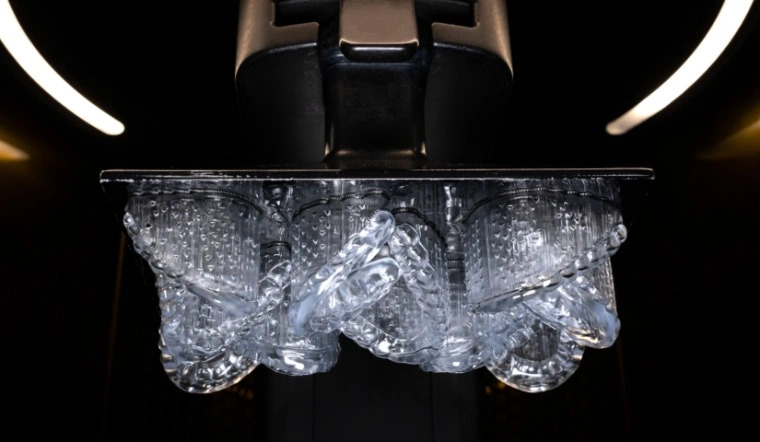
Once a digital scan arrives at our lab, our technicians use advanced CAD software to design the restoration with precision. Every margin, contour, and contact is refined digitally before milling begins. As a result, the final restoration fits more predictably.
Our milling equipment fabricates restorations from high-quality materials with consistent accuracy. Furthermore, digital records allow us to revisit case data quickly if adjustments are needed. This reduces back-and-forth and keeps your schedule moving.
Streamlining Communication Between Practice and Lab
Communication is one of the most overlooked factors in restorative case management. When information flows clearly between your team and your dental lab, cases move faster and finish cleaner. On the other hand, vague prescriptions and missing details cause delays at every stage.
Additionally, high-volume practices need a communication rhythm, not just occasional check-ins. Setting expectations early, using consistent case forms, and establishing clear turnaround agreements all make a measurable difference.
Standardizing Your Case Submission Process
A standardized submission checklist reduces errors at the point of entry. Include shade information, prep photos, opposing arch scans, and any special instructions. Moreover, make sure every team member submitting cases follows the same format.
When your lab receives complete, consistent data, it can process cases faster. Therefore, your turnaround improves — not because the lab works faster, but because it spends less time chasing missing details.
Partnering With a Lab That Responds Proactively
Your dental lab should be a true partner, not just a vendor. A responsive lab flags potential issues before they become problems. For example, if a scan has a gap or a margin is unclear, your lab should contact you immediately — not after fabrication has already begun.
At Dentek Digital, we communicate proactively on every case that needs attention. We serve practices across Gilbert, Scottsdale, Chandler, and the broader Phoenix metro. Because of this, we understand the pace at which local practices operate and what it takes to support them.
Choosing the Right Restorations for High-Volume Cases
Not every restoration is created equal. Selecting the right material and restoration type for each case improves both outcomes and efficiency. Furthermore, understanding your material options helps you set realistic patient expectations from the start.
Dentek Digital fabricates a wide range of fixed restorations, including crowns, bridges, veneers, and inlays and onlays. We also offer removable prosthetics, splints and nightguards, and dental implant restorations. In addition, we provide advanced services like TattooTH and digital implant planning.
Matching Material to Case Requirements
Zirconia is a popular choice for posterior crowns because of its strength and durability. Meanwhile, layered ceramic materials work well for anterior cases where esthetics are the priority. Choosing the right material from the start reduces the likelihood of remakes.
Also, your dental lab can advise you on material selection when you share the full clinical picture. Therefore, do not hesitate to ask your lab for input on complex or high-volume cases.
Batching Cases for Efficiency
Batching similar cases together is a simple strategy that improves throughput. For example, grouping all posterior crown cases on the same submission day allows your lab to process them in a consistent workflow. As a result, turnaround times become more predictable.
In addition, batching helps your front office manage appointment scheduling more efficiently. Patients return for delivery appointments in a more organized sequence. This keeps your chair time productive and your schedule tight.
Training Your Team to Support Restorative Volume
Technology and lab partnerships only go so far. Your internal team must also be prepared to support high-volume restorative care. First, ensure your clinical assistants are confident with your scanning workflow. Next, train your front office team to manage restorative scheduling precisely.
Additionally, ongoing training keeps your team aligned as technology evolves. Digital dentistry tools are improving rapidly. Therefore, investing in continued education protects your practice’s ability to scale over time.
Building a Case Management Culture
High-performing practices develop a culture of accountability around case management. Every team member understands their role in the restorative workflow. Moreover, they know how their actions affect the outcome downstream.
For example, a missed shade photo at the clinical step can cause a redo at the delivery step. Finally, when your team connects those dots, quality and efficiency both improve. Celebrate wins together and debrief on remakes constructively.
If you are ready to explore how a stronger lab partnership can support your restorative goals, contact Dentek Digital today and send us your next case.
Frequently Asked Questions About High-Volume Restorations
How can I reduce remakes when handling more restorative cases?
Focus on the quality of your digital impressions and case submissions. Complete, accurate data reduces the need for clarification or remakes. Additionally, choose a lab that communicates proactively when issues arise.
What is the best way to manage turnaround times at high volume?
Standardize your submission process and batch similar cases where possible. Also, establish clear turnaround agreements with your lab upfront. A digital workflow significantly reduces transit and processing time compared to traditional methods.
Does digital scanning really improve restorative outcomes at scale?
Yes. Digital scans deliver more consistent, distortion-free data than physical impressions. Therefore, restorations fit more predictably, which reduces chair time for adjustments and improves patient satisfaction.
What restorations does Dentek Digital fabricate for high-volume practices?
We fabricate a full range of fixed restorations, removable prosthetics, implant restorations, splints and nightguards, and more. We also offer TattooTH and digital implant planning services for practices with complex needs.
How do I get started with Dentek Digital as my dental lab?
Getting started is straightforward. Reach out to our team, and we will walk you through our submission process and digital workflow. We work with practices across the Greater Phoenix area, including Mesa, Tempe, Chandler, Gilbert, and Scottsdale.
Partner With Dentek Digital to Scale Your Restorative Practice
Managing high volume restorations successfully is achievable with the right workflow, team, and lab partner in place. Dentek Digital combines cutting-edge CAD/CAM technology with experienced craftsmanship to deliver restorations that meet the demands of busy practices.
We are proud to serve dentists and dental practices across Phoenix, Mesa, Scottsdale, Chandler, Gilbert, Tempe, and the surrounding Greater Phoenix area. Whether you are scaling your restorative output or simply looking for a more reliable lab partner, we are here to help.
Explore your options and take the next step toward a more efficient restorative practice. Reach out to the Dentek Digital team to discuss your cases and discover what a truly digital dental lab can do for your patients.