
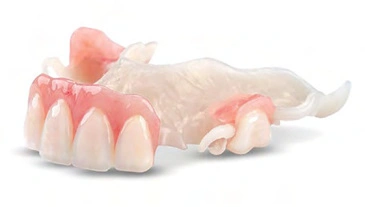
When dentists search for reliable, precise implant restorations, the quality of the dental lab behind those restorations matters enormously. Dental implants have become one of the most sought-after solutions for patients missing one or more teeth. Therefore, dental professionals need a lab partner they can truly trust.
At Dentek Digital, we fabricate high-quality implant restorations using advanced CAD/CAM workflows. We serve dental practices across the Greater Phoenix area, including Mesa, Tempe, Chandler, and Scottsdale. Furthermore, our digital-first approach means faster turnaround times and consistently precise results.
In this post, we explore what makes dental implant restorations so impactful, how modern digital lab technology elevates outcomes, and why the right lab partnership makes all the difference for your practice.
What Are Dental Implants and Why Do They Matter?
Dental implants are titanium posts surgically placed into the jawbone. They act as artificial tooth roots. As a result, they provide a stable foundation for crowns, bridges, or full-arch restorations.
Unlike removable dentures, implants are fixed in place. They look, feel, and function much like natural teeth. Additionally, they help preserve the jawbone by stimulating bone tissue, which prevents the bone loss that often follows tooth extraction.
For dental practices, offering implant-supported restorations is a meaningful way to expand services. Moreover, it gives patients a long-term, high-quality solution for tooth replacement.
Types of Implant Restorations
Implant restorations come in several forms. Each serves a different clinical need. Here are the most common types your lab partner should be able to fabricate:
- Single-unit implant crowns — Replace one missing tooth with a crown seated on a single implant post.
- Implant-supported bridges — Span a gap of two or more missing teeth using implants at each end.
- Full-arch restorations (All-on-X) — Replace an entire arch of teeth using four or more implants.
- Implant-retained overdentures — Removable prosthetics that snap onto implants for added stability.
Each of these requires precise design and fabrication. Therefore, digital lab technology plays a critical role in achieving a well-fitting, aesthetically pleasing result.
How CAD/CAM Technology Transforms Implant Fabrication
CAD/CAM dentistry stands for computer-aided design and computer-aided manufacturing. It uses digital scans and software to design restorations with extreme accuracy. As a result, the margin of error is significantly reduced compared to traditional methods.
At Dentek Digital, we were among the earliest adopters of the digital CAD/CAM workflow in the country. This gives us a depth of experience that newer digital labs simply cannot match. Furthermore, our workflow integrates seamlessly with the digital scanners and planning tools that modern dental practices already use.
The Digital Implant Workflow Step by Step
Understanding the digital workflow helps practices appreciate why it delivers such reliable results. Here is a simplified breakdown:
- Digital scan submission — Your practice submits an intraoral scan or CBCT data directly to our lab.
- CAD design — Our technicians use advanced software to design the implant restoration with precision.
- CAM milling or printing — The designed restoration is milled or printed from high-quality materials.
- Quality check and finishing — Each piece is inspected and finished by skilled lab technicians.
- Delivery — The completed restoration is shipped promptly to your practice.
This streamlined process reduces delays. Additionally, it ensures every restoration meets rigorous quality standards before it ever reaches a patient.
Materials Used in Implant Restorations
Material choice greatly influences the outcome of an implant restoration. Dentek Digital works with premium materials suited to each clinical situation. Common options include:
- Zirconia — Highly durable and tooth-colored, ideal for posterior and full-arch cases.
- PFM (Porcelain-Fused-to-Metal) — A proven, reliable option for strength and aesthetics.
- Lithium disilicate — Excellent for anterior implant crowns where aesthetics are a priority.
- Titanium components — Used for custom abutments requiring maximum strength.
Because every patient case is different, our team works closely with dental professionals to recommend the best material for each situation.
Digital Implant Planning: A Game-Changer for Practices
One of the most valuable advanced services we offer is digital implant planning. This process uses cone beam CT (CBCT) imaging and planning software to map out implant placement before surgery. Therefore, it allows for more predictable surgical outcomes.
Digital implant planning also supports the creation of surgical guides. These guides help clinicians place implants with greater precision. Moreover, they reduce chair time and improve the overall patient experience.
Practices in Chandler, Gilbert, and across the Phoenix metro area are increasingly adopting this technology. However, having a lab partner experienced in digital planning is essential to getting the most out of it. Contact Dentek Digital to learn how we can support your implant planning workflow today.
How Planning Supports Better Restorative Outcomes
When implants are placed with digital guidance, the restorative phase becomes much more predictable. The implant position is optimized for the final crown or prosthetic from the start. As a result, the lab can design a restoration that fits perfectly within the planned parameters.
This close coordination between the surgical and restorative phases is what sets digitally guided implant cases apart. Furthermore, it reduces the likelihood of complications during restoration placement.
Why Partnering With a Digital Lab Elevates Your Implant Cases
Not all dental labs are created equal. Traditional analog labs rely heavily on physical impressions and manual processes. On the other hand, a fully digital lab like Dentek Digital eliminates many of the variables that lead to remakes and adjustments.
Here is what dental practices across the Greater Phoenix area gain by working with a digital lab:
- Faster turnaround times — Digital workflows reduce production time without sacrificing quality.
- Fewer remakes — Precision design means restorations fit better from the start.
- Consistent quality — Standardized digital processes deliver reliable results case after case.
- Seamless communication — Digital case submissions make it easy to share notes, photos, and files.
- Advanced capabilities — Services like TattooTH and digital implant planning are only possible in a digital lab environment.
In addition, working with a lab that specializes in implant restorations means your cases are handled by technicians who deeply understand implant prosthetics.
Supporting Practices From Mesa to Scottsdale
Dentek Digital proudly supports dental professionals throughout the Greater Phoenix area. Whether your practice is based in Tempe, Mesa, Scottsdale, or Chandler, our team is ready to be your trusted lab partner. Furthermore, our digital submission process makes working with us simple regardless of your location.
We understand the demands that busy dental practices face. Therefore, we prioritize clear communication, fast turnarounds, and restorations that arrive ready to seat.
Frequently Asked Questions About Dental Implant Restorations
What information does Dentek Digital need to fabricate an implant crown?
We typically need a digital scan of the implant site, the implant brand and model information, and any shade or material preferences. Additionally, clinical photos and bite records are always helpful for complex cases.
How long does it take to receive a completed implant restoration?
Turnaround times vary depending on the complexity of the case and the type of restoration. However, our digital workflow allows us to produce most restorations faster than traditional analog labs. Contact our team for specific turnaround estimates for your case type.
Can Dentek Digital work with any implant system?
We work with a wide range of implant systems and components. Furthermore, our team stays current with the major implant brands to ensure compatibility and accuracy across your cases.
What is TattooTH and how does it relate to implant restorations?
TattooTH is an advanced service offered by Dentek Digital that allows for custom markings or identifiers to be incorporated into a prosthetic. It is particularly useful for full-arch implant cases. Moreover, it adds an extra layer of personalization and identification for the patient.
How do I get started sending implant cases to Dentek Digital?
Getting started is simple. You can submit cases digitally through our online portal. Our team is also happy to walk you through the process and answer any questions about case submission requirements.
Partner With Dentek Digital for Your Implant Restorations
Dental implants represent one of the most impactful services a dental practice can offer. Therefore, the quality of your lab partner directly affects the outcomes your patients experience. At Dentek Digital, we combine cutting-edge CAD/CAM technology with skilled craftsmanship to deliver implant restorations that meet the highest standards.
We are proud to be a trusted partner for dental professionals across the Greater Phoenix area. From single-unit crowns to full-arch restorations, our team has the experience and technology to support even your most complex implant cases. Additionally, our advanced services like digital implant planning set us apart as a true leader in digital dentistry.
Ready to elevate your implant cases? Contact Dentek Digital today to send us a case or explore how our digital lab services can support your practice and your patients.