
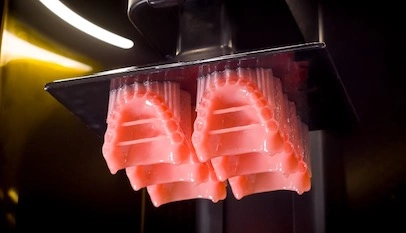
Dental implants have changed the way patients and dental professionals think about tooth replacement. They offer a durable, natural-looking solution that other restorations simply cannot match. As a result, more dental practices across the Greater Phoenix area are making implants a core part of their treatment menu.
At Dentek Digital, we support dentists in Phoenix, Mesa, Tempe, Chandler, and Scottsdale with precision-fabricated implant restorations. We use advanced CAD/CAM technology to deliver components that fit accurately and perform reliably. Therefore, your team spends less time adjusting and more time focusing on patient care.
Whether you are new to placing implants or expanding your implant program, understanding the full workflow matters. This post breaks down what dental professionals need to know about dental implants from a digital lab perspective.
What Makes Dental Implants Different from Other Restorations
Dental implants replace the entire tooth structure, including the root. Other restorations, like bridges or dentures, sit on top of existing tissue. Because of this, implants provide a level of stability and function that is unique in restorative dentistry.
The implant itself is a small titanium post placed into the jawbone. Over time, it fuses with the bone through a process called osseointegration. Additionally, this fusion creates a strong foundation for the crown, bridge, or other restoration placed on top.
The Three Main Components of an Implant Restoration
Every implant restoration has three parts working together. First, the implant fixture is placed surgically into the bone. Next, an abutment connects the fixture to the final restoration. Finally, the crown or prosthetic completes the visible, functional portion of the tooth.
Each component must be fabricated with precision. Even small inaccuracies in the abutment or crown can lead to fit issues, bite problems, or patient discomfort. Moreover, a poorly fitting restoration puts stress on the surrounding tissue and the implant itself.
Why Fit and Accuracy Matter So Much
Dental labs play a critical role in implant success. The restoration must seat fully, occlude properly, and maintain a clean margin. Furthermore, it should match the surrounding dentition in color, shape, and texture.
At Dentek Digital, we use digital scanning and CAD/CAM design to achieve this level of accuracy consistently. Our team reviews every case carefully before fabrication begins. This attention to detail helps dental practices in Chandler, Gilbert, and across the Phoenix metro deliver better patient outcomes.
How Digital Technology Elevates the Implant Workflow
Traditional implant workflows relied heavily on physical impressions and manual fabrication. However, digital dentistry has transformed this process from start to finish. Today, dentists can capture digital scans and send case files directly to our lab.
This digital workflow reduces errors that come with analog impressions. It also shortens turnaround time and allows for better communication between the dentist and the lab. As a result, both the clinician and the patient benefit from a smoother experience.
CAD/CAM Design for Implant Restorations
CAD/CAM dentistry allows our technicians to design restorations digitally before milling or printing them. We can visualize the abutment and crown in three dimensions, checking margins and occlusion before fabrication. This step catches potential issues early, saving time for everyone involved.
We mill our restorations from high-quality materials, including zirconia and lithium disilicate. These materials are known for their strength, aesthetics, and biocompatibility. In addition, they perform well in long-term clinical use across a range of implant cases.
Digital Implant Planning at Dentek Digital
Beyond restoration fabrication, we also offer digital implant planning services. This advanced service helps dentists map the ideal implant position before surgery begins. Therefore, the restorative outcome is considered from the very beginning of the treatment plan.
Planning digitally reduces surprises at the restorative stage. It also supports guided surgery workflows, which improve placement accuracy. Many practices across Scottsdale and Tempe are incorporating this approach into their implant programs with great results.
If you want to explore digital implant planning for your practice, contact Dentek Digital and our team will walk you through the process.
Types of Implant Restorations We Fabricate
Dental implants support many types of restorations. The right choice depends on how many teeth are missing and the patient’s clinical situation. Furthermore, the bone volume, tissue quality, and esthetic goals all influence the final design.
Single-Unit Implant Crowns
A single implant crown replaces one missing tooth. It is one of the most common implant restorations. The crown attaches to a custom abutment and is designed to blend seamlessly with adjacent natural teeth.
We design single-unit crowns using digital files from your intraoral scanner. Our team pays close attention to contacts, margins, and occlusion. Additionally, we select materials that match the shade and translucency of the surrounding dentition.
Implant-Supported Bridges
When multiple adjacent teeth are missing, an implant-supported bridge may be the best solution. Two or more implants support a multi-unit restoration. This approach avoids the need to involve healthy neighboring teeth, as a traditional bridge would require.
Our lab fabricates implant bridges using monolithic or layered zirconia depending on the esthetic needs of the case. We also account for occlusal load and leverage in our design. Because of this, the restoration performs well under normal chewing forces.
Full-Arch Implant Restorations
Full-arch implant restorations replace an entire arch of teeth using just a few strategically placed implants. These cases are complex and require careful planning and precise fabrication. Moreover, the prosthetic must be durable enough to handle full occlusal function over the long term.
We work with dental practices in Mesa and across the Greater Phoenix area on these challenging cases. Our team uses digital design tools to optimize the framework, occlusal scheme, and tooth position. The result is a restoration that functions well and looks natural.
Working with Dentek Digital on Implant Cases
Sending implant cases to a digital lab should be straightforward. At Dentek Digital, we make the process simple for practices of all sizes. Our team is ready to guide you through case submission, material selection, and design approval.
We accept digital scan files from all major intraoral scanner brands. You can also send physical impressions if needed, though we encourage digital submissions for faster turnaround. Additionally, we offer case consultations for complex implant situations before fabrication begins.
Our Commitment to Quality and Precision
Every case that comes through our lab receives careful attention from experienced technicians. We do not rush production at the expense of quality. Instead, we combine technology with skilled craftsmanship to deliver restorations that meet clinical standards.
Dental practices in Phoenix, Chandler, and Gilbert trust us because we are consistent. They know that the restoration they receive will seat well and look great. Furthermore, our communication throughout the process keeps their teams informed at every stage.
Frequently Asked Questions About Dental Implant Lab Services
What file formats does Dentek Digital accept for implant cases?
We accept all major digital scan formats used by intraoral scanners today. If you are unsure whether your scanner is compatible, contact our team before submitting. We are happy to confirm compatibility and guide your workflow.
How long does it take to receive an implant restoration from your lab?
Turnaround time varies by case complexity and restoration type. However, digital cases typically move faster than analog ones because we eliminate impression-related delays. We will give you a clear timeline when you submit your case.
Can Dentek Digital help with full-arch implant cases?
Yes. We have experience fabricating full-arch restorations for practices across the Greater Phoenix area. These cases require close collaboration between the dentist and our lab team. We recommend a consultation before submitting a full-arch case so we can plan accordingly.
Do you offer implant planning services in addition to restoration fabrication?
We do. Our digital implant planning service helps dentists design the surgical and restorative plan together. This ensures the implant is placed in the ideal position for the final restoration. Additionally, it supports guided surgery workflows for improved accuracy.
What materials do you use for implant crowns and abutments?
We use high-quality materials including zirconia, lithium disilicate, and titanium abutment components. Material selection depends on the location in the mouth, esthetic needs, and occlusal demands. Our team can help you choose the best option for each case.
Partner with Dentek Digital for Implant Restorations
Dental implants represent one of the most rewarding services a dental practice can offer. They improve patient quality of life and require a high standard of restorative precision. Therefore, choosing the right lab partner is essential to your success.
Dentek Digital brings together advanced digital technology and experienced craftsmanship to support your implant program. We serve dental practices across Phoenix, Mesa, Tempe, Chandler, Scottsdale, and Gilbert with consistent, reliable results. Furthermore, we are committed to being a true partner in your clinical workflow.
Ready to elevate your implant restorations? Send us a case today and experience the Dentek Digital difference firsthand. Our team is here to support your practice every step of the way.