
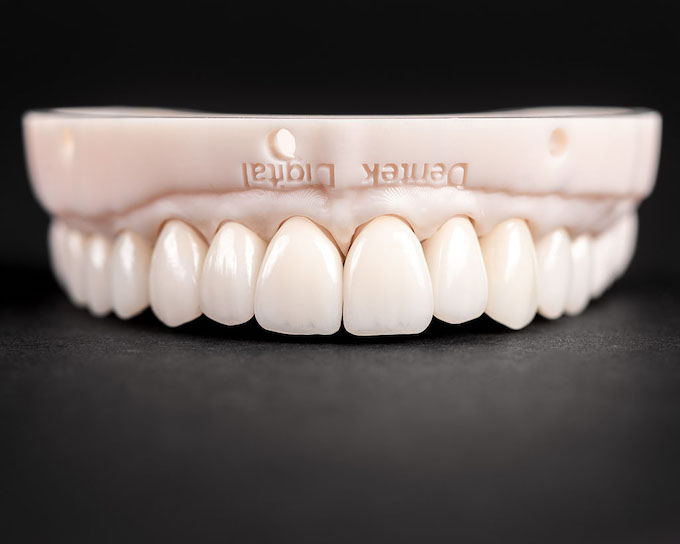
Every complex full arch case presents a unique challenge. The variables are significant, and the stakes are high. Dentists across Greater Phoenix — from Scottsdale to Chandler — need a reliable lab partner who understands those pressures from the very start.
At Dentek Digital, we have worked with dental practices throughout the Phoenix area on some of the most demanding full arch restorations in digital dentistry today. We know what it takes to deliver precise, esthetic, and functional results for these cases.
This guide breaks down the most important lab considerations for complex full arch cases. Whether you are new to full arch workflows or refining your current process, these insights will help you and your lab team work more effectively together.
Why Full Arch Cases Require Extra Planning
Full arch restorations differ fundamentally from single-unit work. More teeth are involved, more structures are at play, and more things can go wrong if the planning phase is rushed. Therefore, early communication between the clinician and the lab is not just helpful — it is essential.
Complex full arch cases often involve implants, immediate load protocols, or significant bone and tissue changes. Additionally, esthetic expectations for these patients tend to be very high. The lab must understand the full clinical picture before fabrication ever begins.
Start With a Complete Case Submission
The most important step happens before the lab ever opens a file. A complete case submission includes high-quality scans, photos, bite records, and a clear prescription. Missing any of these elements can delay the case or lead to a remade restoration.
Labs like Dentek Digital use advanced CAD/CAM dentistry workflows to design and mill restorations with exceptional accuracy. However, that technology is only as good as the data it receives. Complete, accurate records are the foundation of every successful full arch case.
Define the Treatment Goals Upfront
Before fabrication begins, the lab needs to understand your treatment goals. For example, are you delivering a fixed implant bridge, a removable overdenture, or a hybrid restoration? Each choice drives different material and design decisions at the lab level.
Meanwhile, esthetic goals like midline position, tooth shape, and gingival appearance must also be communicated clearly. A simple note on the prescription form is not always enough. Photos and a detailed case discussion lead to far better outcomes.
Material Selection for Full Arch Restorations
Material choice is one of the most consequential decisions in a complex full arch case. Furthermore, it affects strength, esthetics, longevity, and the patient’s overall experience. The lab plays a critical role in guiding this decision.
Zirconia is a popular choice for full arch fixed restorations because of its strength and biocompatibility. On the other hand, layered zirconia or hybrid materials may offer better esthetics in the anterior region. The right material depends on the patient’s occlusion, bite force, and esthetic goals.
Monolithic vs. Layered Options
Monolithic zirconia restorations are milled from a single block without additional porcelain layering. As a result, they tend to be more durable and less prone to chipping. They are often the preferred choice for posterior full arch cases where strength is the priority.
Layered restorations add hand-crafted porcelain on top of a zirconia or metal framework. This approach delivers more nuanced esthetics. However, it requires more lab time and careful handling during try-in and delivery.
Acrylic and Hybrid Materials for Transitional Cases
In some full arch workflows, a transitional restoration is placed while osseointegration occurs. These are often made from acrylic or PMMA. Additionally, they allow the patient to function and provide valuable feedback before the final restoration is fabricated.
Dentek Digital offers both transitional and final arch restorations. Because of this, practices in Mesa, Gilbert, and Tempe can move patients through the full workflow with a single trusted lab partner.
Digital Workflow Advantages in Complex Cases
A fully digital workflow transforms how full arch cases are planned and executed. First, digital impressions eliminate the distortion that can occur with traditional materials. Then, those scans feed directly into CAD design software for precise restoration planning.
Dentek Digital was one of the earliest adopters of digital CAD/CAM workflows in the country. Moreover, our team has refined those processes over years of working on demanding cases. The result is a more predictable, repeatable outcome for complex full arch restorations.
Virtual Articulation and Bite Planning
Digital tools allow the lab to simulate how the restored arch will function in the patient’s bite. Virtual articulation helps identify potential occlusal interferences before the restoration is ever milled. Therefore, problems can be corrected at the design stage rather than at the delivery appointment.
This is especially valuable in full arch cases where the entire occlusal scheme is being reconstructed. Furthermore, a well-planned bite reduces the risk of bruxism damage, fracture, and patient discomfort after delivery.
Design Reviews and Lab Communication
Many labs now offer digital design previews before milling begins. Dentek Digital can share design files or renderings with the clinician for review. As a result, both the doctor and the lab are aligned before any material is committed.
This step is particularly valuable in complex cases where customization is critical. In addition, it shortens the back-and-forth that often happens during try-in stages, saving chair time for busy practices throughout the Phoenix area.
Implant-Supported Full Arch Considerations
Implant-supported full arch restorations add another layer of complexity. The lab must receive accurate implant position data to fabricate a restoration that fits passively and functions correctly. Even small errors in position data can lead to significant fit problems.
Scan bodies and implant library data must match exactly. Therefore, always confirm with your lab which scan bodies are compatible with your scanning system and preferred implant brands. Dentek Digital supports a wide range of implant systems and can advise on compatibility before you scan.
Screw-Retained vs. Cement-Retained Restorations
This is a common clinical decision in implant full arch cases. Screw-retained restorations allow for easier retrieval if maintenance is needed. On the other hand, cement-retained designs can offer certain esthetic advantages depending on implant angulation.
The lab should be involved in this conversation early. Moreover, the restoration design, emergence profile, and access hole placement all depend on this choice. Early input from the lab can prevent costly remakes later.
Bar-Supported and Hybrid Options
Some full arch cases call for a milled titanium bar or custom abutment framework. These solutions require precise planning and scanning. Furthermore, they are best handled by an experienced digital lab with the right milling and finishing capabilities.
Dentek Digital fabricates bar-supported and hybrid arch restorations using our in-house CAD/CAM systems. Practices from Scottsdale to Chandler rely on our team for these advanced cases.
Practical Tips for Submitting Full Arch Cases
A strong case submission makes a real difference in turnaround time and outcome quality. Here are some key practices that help full arch cases move through the lab efficiently:
- Submit full-arch scans in the correct file format for your lab’s preferred design software.
- Include pre-op photos and a smile analysis so the lab can reference the patient’s natural esthetics.
- Provide a detailed prescription that specifies material, shade, occlusal contacts, and any clinical notes.
- Confirm implant system details including brand, platform, and connection type for implant-supported cases.
- Communicate timeline expectations early — complex cases take more time, and rushed timelines increase risk.
Additionally, do not hesitate to call the lab before scanning if you have questions. A brief conversation before submission can prevent a lengthy back-and-forth after the fact. Contact the Dentek Digital team before your next complex case to talk through your submission plan.
Frequently Asked Questions About Full Arch Lab Cases
How long does a complex full arch case typically take?
Turnaround times vary based on the restoration type, material, and complexity. Transitional restorations may be completed more quickly. Final fixed or implant-supported arches generally require more design and fabrication time. Always discuss timeline expectations with your lab upfront.
What scans does the lab need for a full arch implant case?
The lab typically needs a full arch scan with scan bodies in place, an opposing arch scan, and a bite registration scan. Additionally, pre-op records and photos improve the final result significantly. Check with Dentek Digital for a complete submission checklist.
Can the lab help choose the right material for a full arch case?
Yes. A knowledgeable lab team can help evaluate material options based on the patient’s bite, esthetics, and clinical situation. However, the final material decision should always be made collaboratively between the clinician and the lab. Dentek Digital is happy to consult on material selection.
What if the restoration does not fit at delivery?
Fit issues can happen even with careful planning. When they do, the most important step is to identify the source of the problem — whether it is a scan error, design issue, or clinical factor. Therefore, thorough documentation and open communication with the lab are essential for resolving issues efficiently.
Does Dentek Digital support practices outside of Phoenix?
Yes. While we are based in Phoenix and serve practices throughout Greater Phoenix — including Mesa, Tempe, Gilbert, and Scottsdale — we also work with dental practices nationally. Our digital workflow makes it easy to collaborate with practices regardless of location.
Partner With a Lab That Understands Complex Cases
Complex full arch cases deserve a lab partner with deep digital dentistry expertise. At Dentek Digital, we combine advanced CAD/CAM technology with experienced craftsmanship to support the most demanding cases in the Phoenix area and beyond.
We work closely with dental practices in Scottsdale, Mesa, Chandler, Tempe, and throughout the Greater Phoenix region. Moreover, our team is available to consult before, during, and after every case. We are not just fabricating restorations — we are supporting your clinical success.
Ready to take the next step? Explore your options and reach out to our team today. We look forward to partnering with you on your next complex full arch case.