
Understanding dental implants cost is one of the most common questions patients ask their dentist. Whether you’re a dental professional guiding a patient or a practice owner evaluating your restoration offerings, cost clarity matters. Therefore, having accurate, helpful information makes a real difference.
Implant restorations involve multiple components, steps, and materials. Because of this, the total investment can vary widely from case to case. However, the value of a well-fabricated implant restoration — built with precision and quality materials — is difficult to overstate.
At Dentek Digital, we support dental practices across the Greater Phoenix area, including Mesa, Tempe, Chandler, and Scottsdale. We fabricate high-quality implant restorations using advanced CAD/CAM technology. In this post, we break down what influences implant costs and how digital dentistry plays a role.
What Goes Into the Cost of a Dental Implant?
Dental implant treatment is not a single-line item. Instead, it involves several distinct phases and components. Each one contributes to the overall cost of care.
First, there is the surgical placement of the implant fixture itself. Next comes the healing period, followed by the fabrication of the final restoration. Additionally, abutments, imaging, and consultations all factor into the total price.
The Implant Fixture
The implant fixture is the titanium post placed into the jawbone. It acts as a root replacement. The brand, material grade, and design of the fixture all influence its price.
Premium fixtures from well-known implant systems tend to cost more. However, they also offer better documentation, compatibility, and long-term outcomes. Most dental practices align with specific implant systems for consistency.
The Implant Restoration
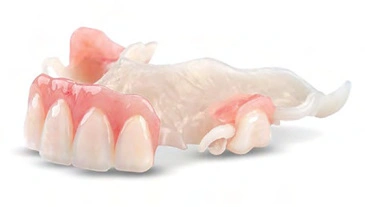
The restoration is the visible crown, bridge, or prosthetic that attaches to the implant. This is where a dental lab like Dentek Digital comes in. We fabricate the restoration using CAD/CAM technology for precise fit and natural appearance.
Restoration costs depend on the material chosen, the complexity of the case, and the implant system used. For example, a single-unit crown on a standard implant differs in scope from a full-arch implant-supported prosthesis. Furthermore, materials like zirconia or layered porcelain carry different cost profiles.
Diagnostic and Surgical Costs
Before any implant is placed, the dentist must evaluate the patient thoroughly. This typically includes CBCT scans, digital impressions, and treatment planning. These steps are essential for a predictable outcome.
Additionally, bone grafting may be necessary if the patient lacks adequate bone volume. This adds to both cost and treatment time. However, skipping this step when it is needed often leads to implant failure.
Why Dental Implants Cost Varies So Much
Many patients are surprised by how much implant pricing can differ from one practice to another. There are several legitimate reasons for this. Understanding them helps both patients and dental professionals set realistic expectations.
Geographic Location
Location plays a significant role in pricing. Practices in higher cost-of-living areas often charge more for the same procedure. Meanwhile, rural areas or smaller communities may offer lower fees — though access to specialists can be more limited.
For dental practices in the Greater Phoenix area — from Tempe and Mesa to Chandler and Scottsdale — local market factors shape what patients typically expect to pay. Understanding your local competitive landscape is important when presenting treatment plans.
Provider Experience and Specialization
An oral surgeon or periodontist who places implants daily commands different fees than a general dentist newer to implant procedures. This is not a flaw in the system. Moreover, specialized expertise often leads to more predictable surgical outcomes.
Similarly, the dental lab fabricating the restoration matters. A digital lab using precise CAD/CAM workflows produces restorations with tighter tolerances and better fits. As a result, fewer remakes and adjustments are needed — saving time and cost in the long run.
Number of Implants and Case Complexity
A single-tooth implant is far less involved than replacing an entire arch. Therefore, full-arch cases like All-on-4 or All-on-X protocols involve significantly more planning, materials, and clinical time. These cases require close collaboration between the surgeon and the dental lab.
At Dentek Digital, we support complex implant cases for practices throughout Phoenix and surrounding communities. Our digital workflows help streamline even the most involved full-arch restorations.
How CAD/CAM Technology Affects Implant Restoration Quality and Cost
CAD/CAM stands for Computer-Aided Design and Computer-Aided Manufacturing. In simple terms, it means restorations are designed digitally and milled or printed with automated precision. This technology has transformed how dental labs fabricate implant restorations.
Traditional methods relied heavily on manual techniques, which introduced more variability. In contrast, CAD/CAM produces restorations with exceptional consistency. Furthermore, digital workflows allow for faster turnaround times without sacrificing quality.
The Role of the Digital Dental Lab
A digital dental lab like Dentek Digital serves as a critical partner to the placing dentist. We receive digital scans or files, design the restoration with precision software, and mill it from high-quality materials. The result is a restoration built to fit exactly as planned.
Because our workflow is fully digital, we eliminate many of the errors that can occur with traditional stone models and analog fabrication. Additionally, digital records make case documentation simple and reliable for the dental practice.
Material Options for Implant Restorations
The material used for the final restoration significantly affects both cost and aesthetics. Common options include:
- Zirconia: Extremely strong and tooth-colored. Ideal for both anterior and posterior implants.
- Layered porcelain over zirconia: Offers enhanced aesthetics for visible cases.
- PFM (porcelain-fused-to-metal): A traditional option still used in many cases.
- Acrylic or hybrid materials: Often used in full-arch implant prosthetics for durability and repairability.
Each material has trade-offs in cost, appearance, and longevity. Therefore, the best choice depends on the patient’s specific clinical situation and goals.
What Dental Practices Should Know About Implant Lab Costs
For dental practices, lab fees are a real part of the implant cost equation. Practices in the Greater Phoenix area — from Scottsdale to Gilbert — need to factor lab fees into their fee schedules. Working with a high-quality digital lab helps ensure those fees translate into reliable, beautiful restorations.
Choosing the cheapest lab option is not always the best business decision. Poorly fitting restorations lead to remakes, patient dissatisfaction, and added chair time. In contrast, a precise restoration from a trusted digital lab means a smooth delivery appointment and a happy patient.
Turnaround Times and Case Planning
Efficient turnaround from the lab directly impacts patient scheduling and practice revenue. At Dentek Digital, our digital workflows allow us to produce restorations efficiently without cutting corners. Additionally, we offer digital implant planning services to help dentists map out complex cases before treatment begins.
This planning step reduces surprises during surgery and ensures the restoration design is considered from the start. Furthermore, it supports better communication between the implant surgeon and the restoring dentist.
Frequently Asked Questions About Dental Implants Cost
Why do dental implants cost so much?
Implants involve multiple components, surgical expertise, and precision lab fabrication. Each phase has real costs. However, implants are also a long-term investment that can last many years with proper care.
Does insurance cover dental implants?
Coverage varies widely by insurance plan. Some plans cover a portion of implant costs, while others do not. Patients should verify their benefits before beginning treatment. Additionally, dental practices can assist patients in understanding their coverage options.
What is the most affordable implant option?
Single-unit implant crowns are generally the most cost-effective implant solution. For patients needing multiple teeth replaced, implant-supported bridges or full-arch options can offer better value than replacing each tooth individually.
How does the dental lab affect the final cost?
Lab fees are built into the total cost of the restoration. A digital lab like Dentek Digital provides precision-milled restorations that reduce remakes and chair time. Therefore, higher lab quality can actually save a practice money over time.
Can digital dentistry reduce overall implant costs?
Digital workflows streamline the design, fabrication, and delivery process. As a result, they can reduce the number of appointments needed and the likelihood of fit issues. This benefits both the dental practice and the patient.
Partner With a Digital Dental Lab That Delivers
Understanding dental implants cost requires looking at the full picture — from surgical fees to lab fabrication to materials. Every step matters. Moreover, working with the right partners at each stage helps ensure a successful outcome.
At Dentek Digital, we have been one of the earliest adopters of digital CAD/CAM workflows in the country. We serve dental practices across the Greater Phoenix area, including Mesa, Tempe, Scottsdale, and Chandler. Our implant restorations are built with precision, quality materials, and a commitment to your patients’ outcomes.
Whether you are placing a single implant crown or planning a complex full-arch case, we are ready to support your practice. Contact Dentek Digital today to send us a case or learn more about our implant restoration services.