
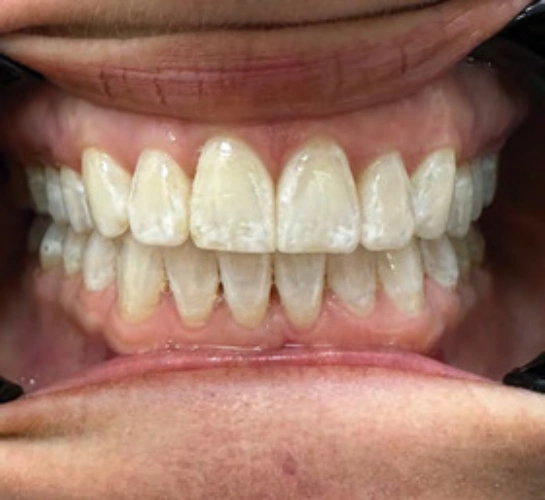
Remakes cost dental practices time, money, and patient trust. They interrupt schedules, delay treatment, and create frustration on both sides of the chair. Fortunately, digital case planning is changing how labs and dental offices work together — and it is dramatically reducing the need for do-overs.
At Dentek Digital, we have been working with dental professionals across Greater Phoenix — including Mesa, Tempe, Chandler, and Scottsdale — for years. We were one of the earliest CAD/CAM adopters in the country. Because of this, we understand how a smarter workflow at the start prevents costly mistakes at the end.
In this post, we break down why remakes happen, how digital case planning addresses each root cause, and what your practice can do today to improve outcomes for your patients.
Why Remakes Happen in the First Place
Before we solve the problem, we need to understand it. Most remakes trace back to a few common sources. Moreover, many of these sources are preventable with the right workflow in place.
Communication Breakdowns Between the Practice and the Lab
Traditional case submissions often rely on paper prescriptions, phone calls, and physical impressions. These methods leave a lot of room for misinterpretation. For example, a vague shade note or an unclear margin can lead to a restoration that simply does not fit the clinical situation.
Additionally, physical impressions can distort during shipping. By the time the case arrives at the lab, the data may already be compromised. As a result, the technician works with imperfect information from the very beginning.
Inaccurate Impressions and Poor Scan Quality
Even experienced clinicians occasionally capture a scan or impression that misses a critical detail. A bubble in a traditional impression or an incomplete intraoral scan can throw off the entire restoration. Therefore, the quality of the initial data is the single most important factor in a successful case.
Furthermore, if no one reviews that data before fabrication begins, the problem compounds. The lab builds what it receives — accurate or not.
Unclear Esthetic and Functional Goals
Restorations must meet two standards: they must fit precisely, and they must look natural. However, esthetic goals are often communicated without enough detail. Shade guides help, but they do not capture everything a patient or clinician has in mind.
On the other hand, when a lab receives rich visual information alongside clear clinical notes, technicians can design a restoration that meets both functional and esthetic expectations the first time.
What Digital Case Planning Actually Does
Digital case planning is a structured, technology-driven process. It brings together high-resolution scan data, digital design tools, and clear communication protocols before fabrication begins. In short, it replaces guesswork with precision.
It Starts with Better Data
Intraoral scanners capture detailed 3D models of the patient’s dentition. These digital files are far more accurate than traditional impressions in most cases. Also, they do not distort during shipping because they are transmitted electronically.
At Dentek Digital, we use advanced CAD/CAM dentistry software to review incoming scan data before we begin any design work. This step alone catches a significant portion of potential problems early — before they become remakes.
It Creates a Shared Visual Reference
Digital planning tools allow labs and dental offices to look at the same data simultaneously. For example, a lab technician can flag a margin concern and send it back to the dentist for review before committing to a design. Meanwhile, the dentist can approve the design digitally, ensuring alignment on the final result.
This back-and-forth is fast and precise. Additionally, it creates a documented record of every decision made for the case. Because of this, both parties are always on the same page.
It Enables Virtual Try-Ins and Design Previews
One of the most powerful features of digital case planning is the ability to preview a restoration before it is ever milled or printed. Technicians can simulate occlusion, check contacts, and evaluate esthetics in a virtual environment. Therefore, adjustments happen in software — not on the bench, and not in the patient’s mouth.
This is especially valuable for complex cases involving implants, full-arch restorations, or full-mouth rehabilitation. Moreover, it gives dentists in Scottsdale, Gilbert, and other Phoenix communities a chance to consult with their patients on expected esthetic outcomes ahead of delivery.
The Real-World Impact on Remake Rates
When digital case planning is implemented correctly, the difference in remake rates is noticeable. Practices that transition to a fully digital workflow consistently report fewer adjustments, fewer remakes, and faster turnaround times. However, the benefits extend beyond numbers alone.
Fewer Chair-Side Adjustments
A well-planned digital restoration fits more predictably than one built from analog data. As a result, dentists spend less time at the chair making occlusal adjustments or margin corrections. This means more efficient appointments and a better patient experience overall.
Furthermore, reduced chair time translates to more appointments available in the schedule. Practices in high-demand communities like Chandler and Mesa especially feel this benefit, where patient volume is consistently strong.
Faster Case Turnaround
When cases are submitted digitally with complete information, labs can begin fabrication sooner. There is no waiting for a physical impression to arrive, and there is no need to send it back due to poor quality. Therefore, turnaround times shrink — and patients get their restorations faster.
Additionally, digital files can be reviewed and approved remotely. This means Dentek Digital can collaborate with dental offices across the Greater Phoenix area without delays caused by geography or logistics.
Stronger Lab-Practice Relationships
Digital case planning creates a foundation of clear communication. Both the dentist and the lab technician understand the goals for every case. As a result, trust builds over time. Practices know what to expect, and labs deliver consistent, predictable results.
This kind of partnership is exactly what Dentek Digital strives for with every dental office we serve — from downtown Phoenix to the growing communities of Tempe and Gilbert.
Ready to streamline your case workflow? Contact Dentek Digital to discuss your next case and experience the difference a digital workflow makes.
How to Set Your Practice Up for Digital Case Planning Success
Transitioning to a digital case planning workflow does not have to be overwhelming. However, a few best practices make the shift much smoother.
Invest in a Quality Intraoral Scanner
Your scanner is the starting point for every digital case. A high-quality scanner captures more detail, reduces retakes, and produces files that labs can work with immediately. Therefore, this is one of the most impactful investments a practice can make.
Additionally, make sure your team receives proper training on scan technique. Even the best scanner produces poor results when it is not used correctly.
Submit Complete Case Information
Digital does not mean minimal. In fact, the more information you provide with each case, the better the outcome. Include shade photos, patient photos, bite records, and clear clinical notes with every submission. Because of this, your lab has everything it needs to build the right restoration the first time.
At Dentek Digital, we make it easy to send us a case with all the necessary documentation. Our digital submission process is designed to guide practices through every step.
Communicate Esthetic Goals Clearly
Share photos of the patient’s natural dentition or reference smiles they admire. Also, note any specific functional concerns, such as bruxism or bite issues, that should influence the design. The more context your lab has, the more precisely it can match your vision.
Build a Feedback Loop
After each case, share feedback with your lab. Note what worked and what could be improved. Additionally, ask your lab to do the same. This ongoing dialogue sharpens both parties over time and leads to consistently better outcomes.
Frequently Asked Questions About Digital Case Planning
What is digital case planning in dentistry?
Digital case planning is a workflow that uses digital scan data, CAD/CAM design software, and structured communication to plan and fabricate dental restorations. It replaces many analog steps with precise digital processes, reducing errors and remakes.
Do I need special equipment to use digital case planning?
An intraoral scanner is the primary tool you need at the practice level. Most modern scanners are compatible with digital labs like Dentek Digital. Your lab handles the design and fabrication software on their end.
How does digital case planning reduce remakes specifically?
It catches errors early — before fabrication begins. Design previews, virtual try-ins, and shared digital files allow both the lab and the dentist to confirm accuracy before committing to a final restoration. Therefore, problems are solved in planning, not after delivery.
Is digital case planning suitable for complex cases?
Yes. In fact, digital case planning is especially valuable for complex restorations such as full-arch cases, implant-supported restorations, and full-mouth rehabilitation. The ability to simulate outcomes digitally is a major advantage for high-stakes cases.
How do I get started with digital case planning at Dentek Digital?
Getting started is straightforward. Reach out to our team, and we will walk you through our digital submission process. We work with dental practices across Greater Phoenix, including Mesa, Tempe, Scottsdale, and Chandler, to make the transition as smooth as possible.
Partner with Dentek Digital for a Smarter Workflow
Remakes are not inevitable. With the right process, the right technology, and the right lab partner, your practice can deliver precise, beautiful restorations consistently — and your patients benefit every time.
At Dentek Digital, we combine cutting-edge CAD/CAM technology with experienced craftsmanship to support dental practices across the Greater Phoenix area. Our digital case planning approach is designed to reduce friction, eliminate guesswork, and help you serve your patients with confidence.
Explore your options and take the next step toward fewer remakes and better outcomes. Send us a case today and see what a truly digital workflow feels like from start to finish.