
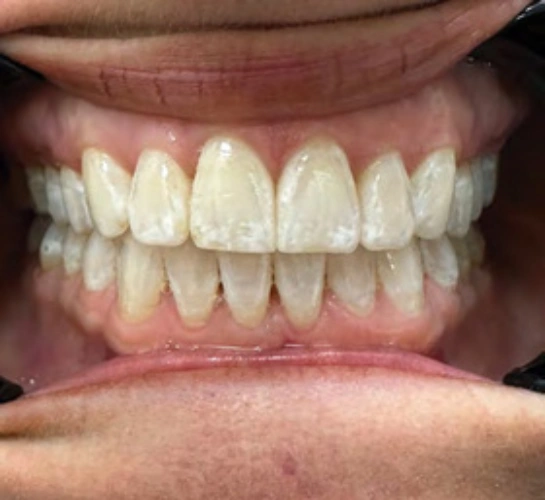
When patients need to replace missing teeth, quality dental implants make all the difference. A well-fabricated implant restoration restores function, confidence, and comfort. Therefore, dentists must partner with a lab that delivers precision, reliability, and consistency every single time.
At Dentek Digital, we fabricate advanced implant restorations for dental practices across the Greater Phoenix area, including Mesa, Tempe, Chandler, and Scottsdale. Our digital workflow combines CAD/CAM technology with skilled craftsmanship. As a result, dentists receive restorations that fit accurately and look completely natural.
This post explores what makes implant restorations truly high quality and how a digital dental lab approach benefits your practice and your patients.
What Makes Dental Implants High Quality?
Not all implant restorations are created equal. Quality depends on the materials used, the design process, and the fabrication method. Furthermore, the lab’s experience with digital workflows plays a major role in the final outcome.
High-quality implant components fit precisely on the implant fixture. They also match the surrounding teeth in color, shape, and size. Additionally, they hold up well under daily chewing forces over the long term.
Materials Matter
Today’s best implant restorations often use zirconia or full-contour porcelain. These materials are strong, biocompatible, and highly aesthetic. Moreover, they resist staining and wear better than older alternatives.
At Dentek Digital, we select materials based on each clinical case. We consider the implant location, the patient’s bite, and the cosmetic goals. Because of this, every restoration is matched to the specific needs of the patient.
Precision Fit Is Everything
A restoration that does not fit precisely creates problems. It can cause discomfort, bone stress, and even implant failure over time. Therefore, accuracy at the margin and the implant interface is critical.
Our lab uses advanced scanning and milling technology to achieve tight tolerances. Every implant crown or bridge is designed digitally and verified before milling. This process eliminates the guesswork that older analog methods introduced.
How CAD/CAM Technology Elevates Implant Restorations
CAD/CAM dentistry has transformed how dental labs fabricate implant restorations. Digital design software allows our technicians to plan every detail of the restoration before a single block of material is touched. As a result, the final product is highly predictable and consistent.
First, a digital scan of the patient’s arch and implant position is submitted to our lab. Next, our technicians design the restoration using 3D modeling software. Then, a precision milling machine carves the restoration from a solid block of material.
Digital Workflow Benefits for Dentists
Digital workflows save time at every stage of the implant restoration process. Additionally, they reduce the need for remakes and adjustments. Dentists in Scottsdale and Chandler who work with digital labs report smoother case delivery overall.
Furthermore, digital files are easy to store, share, and reference. If a patient needs a replacement or modification later, the digital record is available. This convenience supports better long-term patient care.
Dentek Digital’s Role as an Early Adopter
Dentek Digital was one of the earliest adopters of the digital CAD/CAM workflow in the country. This means our team has years of hands-on experience refining the process. Moreover, we stay current with rapidly evolving technology to ensure dentists always receive the best solutions available.
Our Phoenix lab serves practices across the Greater Phoenix area. Whether you’re in Mesa, Tempe, or the surrounding communities, we are equipped to support your implant cases with precision and speed.
Ready to streamline your implant cases? Contact Dentek Digital to discuss your next case with our experienced team.
Types of Implant Restorations We Fabricate
Dentek Digital offers a full range of implant restoration options. Each type serves a different clinical need. Therefore, dentists can rely on us for simple single-unit cases as well as complex full-arch rehabilitations.
Single-Unit Implant Crowns
Single-unit implant crowns are among the most common restorations we fabricate. They replace one missing tooth and connect to a single implant fixture. Additionally, they are designed to match the surrounding natural teeth seamlessly.
We fabricate these crowns with precise contours and accurate occlusal surfaces. This helps the patient bite comfortably without placing excess force on adjacent teeth. Moreover, our digital process ensures the crown seats correctly on the first try.
Implant-Supported Bridges
When a patient is missing multiple adjacent teeth, an implant-supported bridge is often the best solution. These restorations span the gap using two or more implants as support. As a result, patients regain function without relying on neighboring natural teeth.
Our lab designs each bridge to distribute bite forces evenly across the implants. Furthermore, we carefully match the pontic shape to the patient’s existing dental anatomy. This creates a natural-looking, functional result.
Full-Arch Implant Solutions
Full-arch implant restorations, such as All-on-4 style prosthetics, are among the most complex cases we handle. These involve replacing an entire arch of teeth on four or more implants. However, with our digital planning tools and experienced technicians, we deliver these cases with excellent precision.
Practices in Gilbert and Chandler increasingly offer full-arch implant solutions to their patients. Dentek Digital supports these practices with detailed case communication and reliable turnaround times.
Implant Planning: A Critical Step Often Overlooked
Proper planning before implant placement leads to better outcomes for both the surgeon and the patient. Dentek Digital offers digital implant planning as an advanced service. This allows the surgical team to visualize implant position before the procedure begins.
Digital implant planning uses cone beam CT data and digital impressions together. Our technicians overlay the proposed restoration design onto the patient’s anatomy. Because of this, the surgeon can place the implant in the ideal position to support the final crown or bridge.
How Planning Reduces Risk
When implants are placed in the correct position, the restoration fits better and functions more naturally. Additionally, proper positioning reduces stress on the bone and surrounding structures. Therefore, planning is an investment that pays off throughout the life of the restoration.
Our planning service is available to dental practices throughout the Greater Phoenix area. We work closely with oral surgeons, periodontists, and general dentists to coordinate each case effectively.
What Dentists Should Look for in a Dental Lab Partner
Choosing the right dental lab is one of the most important decisions a dental practice can make. The lab you use directly affects patient outcomes and practice efficiency. Therefore, it’s worth evaluating potential partners carefully.
Here are key qualities to look for in a digital dental lab for implant cases:
- Digital-first workflow: The lab should use CAD/CAM technology, not analog methods.
- Material quality: Ask about the brands and grades of materials they use for implant restorations.
- Turnaround time: Reliable delivery windows help you schedule patient appointments confidently.
- Communication: A good lab communicates proactively about case status and concerns.
- Experience: Look for a lab with a proven track record in implant cases specifically.
- Local support: A lab that understands your market and is accessible makes case collaboration easier.
Dentek Digital meets all of these criteria. Moreover, as a Phoenix-based lab, we are well-positioned to serve practices throughout the surrounding communities quickly and efficiently.
Frequently Asked Questions About Dental Implant Restorations
What types of implant restorations does Dentek Digital fabricate?
We fabricate single-unit implant crowns, implant-supported bridges, and full-arch implant prosthetics. Additionally, we support complex cases with digital implant planning services.
How does a digital workflow improve implant restoration quality?
Digital workflows allow for precise design and milling that analog methods cannot match. As a result, restorations fit more accurately and require fewer adjustments at delivery.
Can dentists in Mesa or Tempe work with Dentek Digital?
Yes. We serve dental practices across the Greater Phoenix area, including Mesa, Tempe, Chandler, Gilbert, Scottsdale, and beyond. Our digital submission process makes it easy to work with us regardless of your exact location.
What materials do you use for implant crowns?
We commonly use high-strength zirconia and full-contour porcelain for implant crowns and bridges. Material selection depends on the clinical situation and aesthetic goals of each case.
How do I submit an implant case to Dentek Digital?
Submitting a case is straightforward. You can send digital scans or traditional impressions along with your case details. Our team will review the case and guide you through the next steps efficiently.
Partner with Dentek Digital for Implant Excellence
Delivering quality dental implants to your patients starts with choosing the right lab partner. At Dentek Digital, we combine cutting-edge CAD/CAM technology with experienced craftsmanship. Therefore, the restorations we deliver are precise, durable, and aesthetically excellent.
We proudly support dental practices across the Greater Phoenix area, from Scottsdale to Gilbert and everywhere in between. Our team is committed to making every implant case as smooth and predictable as possible for your practice.
Explore your options and take the next step toward better implant outcomes for your patients. Contact Dentek Digital today and let our team show you what a true digital lab partnership looks like.