
Patients today expect more from their dental care. They want restorations that look natural, feel comfortable, and last. Quality dental implants are at the center of that expectation. For dental practices looking to meet that demand, partnering with a trusted digital lab makes all the difference.
Dentek Digital is a digital dental lab based in Phoenix, Arizona. We serve dentists and dental practices across the Greater Phoenix area and beyond. Our team uses advanced CAD/CAM technology to fabricate precise, reliable implant restorations that support better outcomes for your patients.
In this post, we explore what sets high-quality implant restorations apart. We also cover how the right lab partnership can elevate your implant workflow from start to finish.
What Makes a Dental Implant Truly High Quality?
Not all implant restorations are created equal. Quality comes from the materials used, the technology behind fabrication, and the skill of the lab team. Therefore, understanding each of these factors helps dentists make smarter choices for their patients.
Additionally, the digital workflow plays a major role. Traditional methods rely heavily on manual steps that can introduce small errors. Digital fabrication, on the other hand, delivers consistent precision at every stage.
Materials Matter
High-quality implant crowns and restorations start with premium materials. Zirconia is one of the most popular choices today. It offers excellent strength, a natural appearance, and long-term durability. Furthermore, it is biocompatible, which makes it a strong fit for implant cases.
Other materials, such as layered porcelain and hybrid ceramics, also play a role depending on the case. The right material choice depends on the patient’s bite, esthetics, and function. As a result, a skilled lab team will help guide that decision.
Precision Fabrication Through CAD/CAM Technology
CAD/CAM dentistry has transformed how dental labs fabricate restorations. CAD stands for computer-aided design, and CAM stands for computer-aided manufacturing. Together, these tools allow labs to design and mill restorations with remarkable accuracy.
At Dentek Digital, we were among the earliest adopters of the digital CAD/CAM workflow in the country. Because of this, our team has deep experience delivering results that fit precisely and perform reliably. Dentists across Phoenix, Mesa, Scottsdale, and Chandler trust our digital process.
The Role of the Digital Lab in Implant Success
A dental implant case involves many moving parts. The surgeon places the implant. The restorative dentist handles the crown or prosthetic. However, the dental lab connects these two worlds. The lab fabricates the final restoration that the patient sees and feels every day.
Therefore, choosing the right lab partner is one of the most important decisions a practice can make. A strong lab relationship leads to better fits, fewer remakes, and more confident patients.
Digital Scanning and Case Workflow
Modern implant workflows often begin with a digital scan. Dentists use intraoral scanners to capture precise impressions without traditional putty. Next, that scan is sent directly to the lab in a digital file format.
Our team at Dentek Digital receives those files and begins designing the restoration using specialized software. This eliminates several manual steps. As a result, turnaround times improve and accuracy increases significantly.
Implant Planning Support
We also offer advanced digital implant planning services. This allows our lab to work alongside dentists before placement even begins. Moreover, planning in the digital environment helps anticipate challenges and align the surgical guide with the final restoration design.
Practices in Tempe, Gilbert, and the broader Phoenix metro area have found this service especially valuable. It reduces guesswork and supports a more predictable outcome from the very first step.
Types of Implant Restorations We Fabricate
Dentek Digital supports a wide range of implant restoration types. Each case is unique, and our team adapts to meet those specific needs. Here is a brief overview of what we offer:
- Implant Crowns: Single-tooth restorations designed to match the natural dentition closely.
- Implant Bridges: Multi-unit restorations supported by two or more implants for spans of missing teeth.
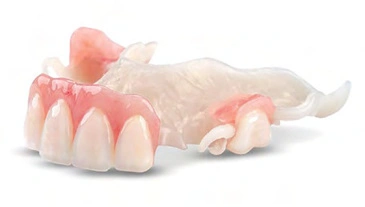
- Implant-Supported Dentures: Full-arch restorations that combine stability with natural esthetics.
- Custom Abutments: Precisely designed connectors that ensure the crown fits and functions correctly.
- Screw-Retained Restorations: A popular option that allows for retrievability and long-term maintenance.
Furthermore, our lab handles both standard and complex implant cases. If your patient has a challenging anatomy or esthetic demand, our experienced technicians are ready to help.
Ready to streamline your implant cases? Contact Dentek Digital to discuss your next case with our team.
Why Digital Dentistry Raises the Bar for Implant Quality
Digital dentistry is not just a trend. It represents a genuine shift in how restorations are designed, fabricated, and delivered. For implant cases specifically, the benefits are clear and measurable.
First, digital design allows for extremely precise marginal fit. A well-fitting restoration reduces the risk of complications at the implant interface. Additionally, digital records mean that case data is stored and retrievable for future reference or repairs.
Consistency You Can Count On
One of the strongest advantages of the digital workflow is consistency. Every restoration is milled to the same specifications. Therefore, there is far less variation from case to case compared to traditional hand-crafted methods.
This consistency matters enormously in implant work. Because implant restorations interact directly with bone and soft tissue, precision is not optional. It is essential.
Faster Turnaround, Better Service
Digital workflows also allow for faster lab turnaround in many cases. Meanwhile, quality is never sacrificed. Dentists in Phoenix and surrounding communities like Mesa, Scottsdale, and Chandler appreciate the ability to deliver timely results without compromising excellence.
Additionally, digital communication between the dentist and lab is smoother. Our team can share design previews, request feedback, and confirm details before milling begins. This collaborative approach reduces remakes and keeps cases on schedule.
Practical Tips for Dentists Pursuing High-Quality Implant Outcomes
Whether you are expanding your implant services or refining an existing workflow, these general best practices can help:
- Use high-quality digital scans: Accurate scans are the foundation of a precise restoration. Take the time to capture full arch data cleanly.
- Communicate shade and esthetic goals clearly: Send photos alongside your scan whenever possible. Visual references help the lab match natural dentition effectively.
- Choose your lab partner early: Involve your lab during the treatment planning phase, not just at the restoration stage.
- Confirm implant system and component details: Provide your lab with the exact implant manufacturer, platform, and connection type before submission.
- Review design approvals digitally: Many labs offer digital design approval before milling. Use this step to catch any adjustments early.
Moreover, building a strong ongoing relationship with your lab leads to better communication and smoother case flow over time. Think of your lab as an extension of your clinical team.
Frequently Asked Questions About Quality Dental Implants
What materials are most commonly used for implant crowns?
Zirconia is one of the most widely used materials for implant crowns today. It is strong, esthetic, and biocompatible. Additionally, layered porcelain and hybrid ceramics are used in cases where specific esthetic properties are needed.
How does a digital lab improve implant restoration accuracy?
Digital labs use CAD/CAM software to design restorations from precise scan data. This reduces manual variability. As a result, the final restoration fits more predictably and requires fewer adjustments at delivery.
Can I send digital scans directly to Dentek Digital?
Yes. We accept digital scan files from most major intraoral scanner brands. Our team will guide you through the submission process. Furthermore, we can help troubleshoot scan quality if needed.
What is a custom abutment, and when is it recommended?
A custom abutment is a lab-fabricated connector designed specifically for your patient’s anatomy. It is recommended when standard stock abutments do not allow for ideal emergence profile or crown seating. Custom abutments support better soft tissue contours and esthetic outcomes.
Does Dentek Digital support implant planning before placement?
Yes. We offer digital implant planning services that allow our team to collaborate with you before surgery. This helps align the planned implant position with the final restoration design. Because of this, outcomes tend to be more predictable and efficient.
Partner With Dentek Digital for Implant Excellence
Delivering quality dental implants to your patients starts with the right lab partner. At Dentek Digital, we combine advanced CAD/CAM technology with experienced craftsmanship to support your implant cases from planning through final delivery.
We proudly serve dental practices across the Greater Phoenix area, including Mesa, Tempe, Scottsdale, Chandler, and Gilbert. Our team is ready to help you elevate your implant restorations and deliver results your patients will notice.
Explore your options and send us your next implant case today. Our team is here to support you every step of the way.