
When implant placement doesn’t follow an ideal axis, restorative options matter more than ever. Angled screw channel implant crowns solve one of the most common challenges in implant dentistry — restoring off-axis implants without sacrificing esthetics or retrievability. For dental practices seeking reliable, high-quality lab support, understanding this technology is essential.
At Dentek Digital, we fabricate angled screw channel restorations using advanced CAD/CAM workflows. Our lab serves dental professionals across the Greater Phoenix, Arizona area, including practices in Mesa, Scottsdale, Chandler, and Tempe. We combine precision digital technology with skilled craftsmanship to deliver results that work — both clinically and esthetically.
This post explores what angled screw channel implant crowns are, how they work, and why more dental practices are choosing this solution for complex implant cases.
What Are Angled Screw Channel Implant Crowns?
Traditional screw-retained implant crowns require the implant to be positioned with a fairly straight access channel. However, that’s not always possible. Bone anatomy, adjacent teeth, and esthetic zones often dictate where the implant goes. As a result, a straight screw channel may exit through the facial surface — which is a significant problem.
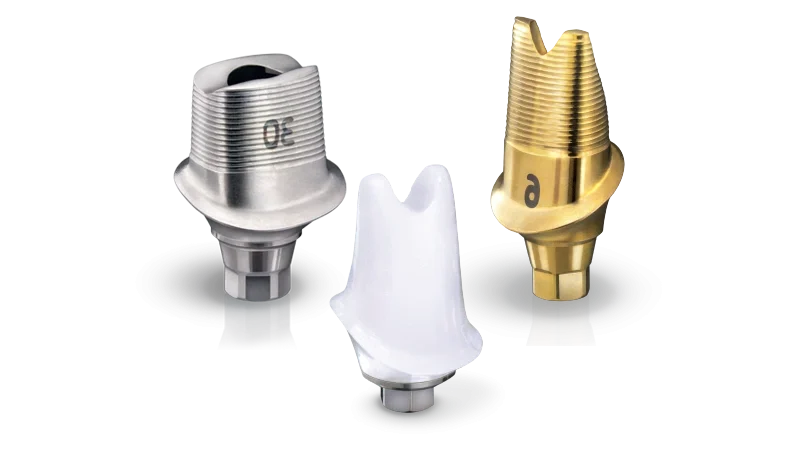
Angled screw channel technology solves this. It uses a specially designed abutment component that redirects the screw access channel by a set number of degrees. Therefore, the access hole exits through the cingulum or occlusal surface instead of the facial. This preserves the crown’s esthetic profile while maintaining screw retention.
How the Angled Channel Works
The mechanism relies on a rotatable insert within the titanium base. This insert can be oriented in multiple directions during design. Because of this, the lab can redirect the screw channel to an ideal exit point. The result is a crown that looks natural and remains fully retrievable.
Retrievability is a key clinical advantage. Unlike cement-retained crowns, screw-retained restorations can be removed without damaging surrounding tissue. Furthermore, they eliminate the risk of excess cement causing peri-implant complications. This is a meaningful benefit for long-term implant health.
When Is This Solution Indicated?
This restoration type is indicated when the implant’s long axis is angled in a way that would otherwise require cement retention. Additionally, it works well in esthetic zones where a facial screw hole is not acceptable. In short, it gives clinicians and labs more flexibility without compromising the restoration’s quality or function.
The CAD/CAM Advantage in Fabricating These Restorations
Fabricating angled screw channel implant crowns requires precise digital planning. Traditional analog workflows struggle to accommodate the complexity of these cases. CAD/CAM technology, on the other hand, handles them with accuracy and consistency.
At Dentek Digital, we use state-of-the-art design software and milling equipment to engineer each restoration. First, we analyze the scan and implant data. Then, we design the abutment and crown with the redirected access channel factored in from the start. Finally, we mill the restoration from high-quality materials for a precise fit.
Materials Used for Angled Screw Channel Crowns
Material selection matters significantly for these restorations. We commonly fabricate angled screw channel crowns in full-contour zirconia, layered zirconia, or lithium disilicate over a titanium base. Each material offers specific esthetic and strength characteristics. Therefore, the right choice depends on the location of the implant and the patient’s occlusal demands.
Zirconia is especially popular for posterior implants because of its strength and durability. Meanwhile, layered porcelain options may be preferred in highly visible esthetic zones. Our team works with dentists to select the best material for each individual case.
Precision Fit and Occlusal Integrity
One of the most important aspects of any implant crown is fit. Moreover, the angled screw channel design must not compromise the crown’s marginal integrity or occlusal contact. Our CAD/CAM process ensures that fit accuracy is maintained throughout. Additionally, we verify each restoration before it leaves our lab to confirm it meets our quality standards.
Why Dental Practices Choose Dentek Digital for Implant Restorations
Dental practices across the Greater Phoenix area trust Dentek Digital for complex implant cases. Our lab has been one of the earliest adopters of full digital workflows in the country. Because of this, we bring deep experience to every case we handle — including angled screw channel restorations.
We serve practices throughout the region, including Gilbert, Chandler, Mesa, and Scottsdale. Our turnaround times are efficient, and our communication with dental teams is clear and responsive. Furthermore, we provide case-specific guidance to help dentists select the right restoration approach from the start.
Partnering With Your Practice
We understand that every implant case is different. Therefore, we don’t take a one-size-fits-all approach. Instead, we collaborate with each dental practice to understand the clinical situation and deliver a restoration tailored to that patient’s needs. This partnership model leads to better outcomes and fewer remakes.
In addition, we support practices that are transitioning to fully digital workflows. Whether you’re scanning intraorally or sending physical impressions, our team works with your process. We also offer digital implant planning services to help practices optimize implant positioning before placement — which can make restorative work like angled screw channels even more predictable.
Quality Control at Every Stage
Quality is not an afterthought at Dentek Digital. We verify accuracy at every stage of fabrication. For example, our technicians review each case at design, post-mill, and finishing stages. As a result, the restorations that leave our lab are consistent, precise, and clinically reliable.
Tips for Dentists Working With Angled Screw Channel Cases
If your practice places implants or restores them, there are several practical considerations to keep in mind when working with angled screw channel crowns.
- Send accurate scan data: A precise intraoral scan or impression is critical. The angled channel design depends on accurate implant position and angulation data.
- Include a scan body: Always use the appropriate scan body for your implant system. This gives the lab the positional information needed to design the channel correctly.
- Communicate the esthetic zone clearly: Let your lab know if facial esthetics are a priority. This guides material and design decisions from the start.
- Discuss occlusion early: Posterior cases with heavy occlusal forces may require specific material choices. Share relevant occlusal details with your lab team.
- Plan for retrievability: Design the access channel exit point during planning. This ensures easy screw access at delivery and during future maintenance.
Following these steps leads to smoother case workflows and more predictable restorative outcomes. Additionally, good communication between the dentist and lab reduces the chance of remakes or delivery delays.
Frequently Asked Questions About Angled Screw Channel Implant Crowns
What degree of angulation can be corrected with this technology?
Most angled screw channel systems can redirect the access channel up to approximately 25 to 30 degrees from the implant’s long axis. However, the exact range depends on the implant system and component used. Your lab can confirm compatibility based on your specific case.
Is the angled screw channel restoration as strong as a traditional screw-retained crown?
Yes. When fabricated from appropriate materials and properly seated, angled screw channel crowns perform comparably to standard screw-retained restorations. Material selection and accurate seating are key factors in long-term performance.
Can any implant system accommodate angled screw channel components?
Not all implant systems offer compatible angled channel components. Therefore, it’s important to confirm compatibility before treatment planning. Most major implant systems do offer these components, but your lab and implant representative can help verify this.
How do I send a case for an angled screw channel crown to Dentek Digital?
You can submit your case digitally through our online case submission portal. Send your intraoral scan files, scan body data, and any clinical photos or notes. Our team will review the case and reach out with any questions before fabrication begins.
What is the typical turnaround time for these restorations?
Turnaround time varies depending on material selection and case complexity. Generally, these restorations are completed within a timeframe comparable to other implant crown cases. Contact our team for current scheduling information specific to your case type.
Partner With Dentek Digital for Complex Implant Cases
Angled screw channel implant crowns represent a significant advancement in implant restorations. They give dental practices a reliable, esthetic, and retrievable solution for off-axis implant situations. Moreover, when fabricated with precision CAD/CAM technology, these restorations deliver consistent clinical results.
Dentek Digital is proud to be a trusted lab partner for dental practices throughout the Greater Phoenix area, including Tempe, Mesa, Gilbert, Scottsdale, and Chandler. We bring national-level expertise and a commitment to quality to every case we produce.
If you’re ready to experience the Dentek Digital difference, contact Dentek Digital today to discuss your next implant case or send us a case through our online portal. Our team is ready to help you deliver outstanding results for your patients.