
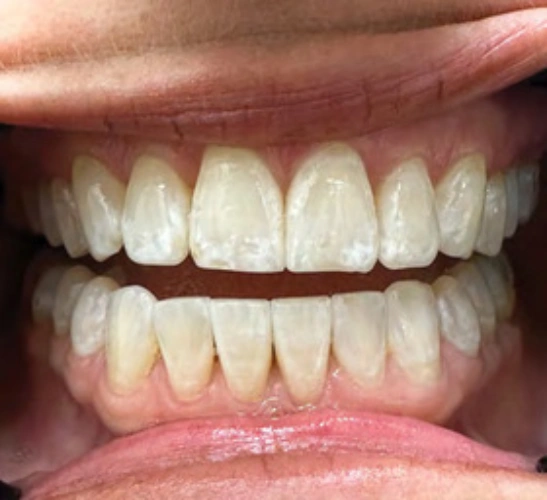
Patients seeking full mouth dental implants want more than just a restored smile. They want lasting function, natural aesthetics, and restorations they can trust for years to come. For dentists treating these patients, the quality of the dental lab behind the restoration matters enormously.
At Dentek Digital, we partner with dental professionals across the Greater Phoenix area to deliver implant restorations built with precision CAD/CAM technology. Therefore, every case we handle reflects the highest standards in digital dentistry. Whether your practice is in Scottsdale, Mesa, Tempe, or Chandler, our workflow is designed to support your most complex cases.
This guide covers everything your practice needs to know about full mouth implant restorations. Additionally, it explains how a digital dental lab like Dentek Digital can elevate your patient outcomes from start to finish.
What Are Full Mouth Dental Implants?
Full mouth dental implants replace an entire arch — or both arches — of missing or failing teeth. They use titanium implant posts that integrate directly with the jawbone. As a result, the restoration becomes a stable, permanent foundation for prosthetic teeth.
Unlike traditional dentures, implant-supported restorations do not slip or shift. Moreover, they preserve bone structure over time. This makes them one of the most comprehensive tooth replacement solutions available in modern dentistry.
Common Full Mouth Implant Solutions
There are several approaches your practice may use depending on the patient’s bone density and clinical needs. First, implant-supported fixed bridges offer a non-removable solution anchored by multiple implants. Next, implant-retained overdentures provide a removable option with implant attachments for added stability.
Additionally, All-on-4 and All-on-6 protocols use a small number of strategically placed implants to support a full arch. Each approach requires a highly accurate prosthetic component. Therefore, the dental lab’s fabrication quality directly affects the outcome.
Why CAD/CAM Technology Transforms Implant Restorations
Traditional dental lab workflows relied heavily on manual fabrication techniques. However, CAD/CAM technology has completely changed how implant restorations are designed and milled. CAD/CAM stands for Computer-Aided Design and Computer-Aided Manufacturing.
In simple terms, digital scans replace physical impressions. Furthermore, software-driven design replaces hand-waxing. The result is a restoration with far greater precision and consistency than older methods could achieve.
How Digital Workflows Improve Implant Accuracy
Accuracy is critical in full mouth implant cases. Even a small misfit can cause bite problems, implant stress, or patient discomfort. Because of this, a digital workflow dramatically reduces the margin for error.
At Dentek Digital, we were among the earliest adopters of digital CAD/CAM workflows in the country. We use this technology to mill restorations from high-performance materials with tight tolerances. As a result, our implant components fit precisely and function reliably from the very first seating.
Materials Used in Full Mouth Implant Restorations
Material selection plays a major role in the longevity and appearance of full mouth implant cases. For example, zirconia is widely used for its strength, biocompatibility, and natural-looking aesthetics. On the other hand, acrylic-based materials are often chosen for implant overdentures due to their adjustability.
Meanwhile, hybrid ceramic materials offer a balance between aesthetics and impact resistance. Our team helps dental practices in the Phoenix area select the right material for each unique case. Furthermore, our digital design process ensures the material is used to its full potential.
The Role of a Digital Dental Lab in Full Mouth Implant Cases
The dental lab is a true partner in implant dentistry. In fact, the lab’s precision and communication can determine whether a case succeeds or needs revision. This is especially true for full mouth cases involving multiple implants and complex occlusion.
Dentek Digital supports dental practices across Greater Phoenix — including those in Gilbert, Chandler, and Scottsdale — with a streamlined digital submission process. Therefore, sending a case is straightforward, and our turnaround times reflect our efficient digital workflow.
Digital Implant Planning Services
One of our most advanced offerings is digital implant planning. This service uses 3D imaging data to help plan implant placement before surgery. As a result, surgeons can place implants with greater confidence and in the ideal position for the final restoration.
Digital planning also improves communication between the surgeon, restorative dentist, and lab. Moreover, it helps patients visualize the outcome before treatment begins. This makes case acceptance much easier for your team.
TattooTH: Advanced Implant Identification
Dentek Digital also offers TattooTH, an innovative service that embeds a unique identification code into the prosthesis. This allows the implant restoration to be traced and identified if needed. Additionally, it provides an added layer of documentation for both the practice and the patient.
TattooTH is just one example of how we combine evolving technology with skilled craftsmanship. Furthermore, it reflects our commitment to innovation in every restoration we fabricate.
Full Mouth Implant Workflow: From Scan to Delivery
Understanding the lab’s workflow helps dental practices plan their cases more effectively. Here is a general overview of how a full mouth implant case moves through our digital lab.
- Digital Scan Submission: The practice sends intraoral scan files or CBCT data through our secure case submission portal.
- Case Review: Our technicians review the scan data and confirm all necessary information before beginning design.
- CAD Design: Our team digitally designs the restoration using advanced software, optimizing fit, occlusion, and aesthetics.
- CAM Milling: The approved design is milled from the selected material using our precision milling equipment.
- Finishing and Quality Check: Each restoration is carefully finished and inspected before shipping.
- Delivery: The completed restoration is shipped to your practice, ready for patient seating.
This streamlined process reduces delays and minimizes the need for remakes. Therefore, your patients spend less time waiting and more time enjoying their new smiles.
Tips for Dental Practices Handling Full Mouth Implant Cases
Full mouth implant cases are among the most rewarding in dentistry. However, they also require careful planning and coordination. Here are some practical tips to help your practice manage these cases efficiently.
- Use intraoral scanning: Digital scans provide more accurate data than traditional impressions, especially for multi-unit implant cases.
- Communicate occlusal goals early: Share bite records and facial photos with the lab at the start of the case, not just at the end.
- Plan for provisionalization: A well-designed provisional helps guide the final restoration and sets patient expectations.
- Collaborate on material selection: Your lab partner can advise on the best material based on the patient’s bite force, bone quality, and aesthetic goals.
- Verify implant positions digitally: Use scan bodies and digital verification jigs to confirm implant angulation before fabricating the final prosthesis.
Additionally, maintaining open communication with your lab throughout the case reduces surprises at delivery. Furthermore, it leads to better outcomes for your patients and fewer chair-side adjustments.
Frequently Asked Questions About Full Mouth Dental Implants
What makes CAD/CAM implant restorations better than traditional ones?
CAD/CAM restorations are designed and milled digitally. Therefore, they achieve a higher level of precision than hand-fabricated prosthetics. This translates to better fit, reduced adjustment time, and more consistent results across cases.
How long does it take to receive a full mouth implant restoration from Dentek Digital?
Turnaround times vary based on the complexity of the case and the materials selected. However, our digital workflow is designed to minimize delays. Contact our team for specific timing based on your case details.
Can Dentek Digital support All-on-4 and All-on-6 cases?
Yes. We fabricate restorations for a wide range of implant protocols, including All-on-4 and All-on-6 cases. Moreover, our digital implant planning service can support the pre-surgical phase of these cases as well.
What file formats does Dentek Digital accept for digital case submissions?
We accept most standard digital scan formats used by leading intraoral scanner systems. Additionally, our team can guide your practice through the submission process if you are new to digital workflows.
Does Dentek Digital work with practices outside the Greater Phoenix area?
We are based in Phoenix, Arizona, and proudly serve dental practices across the Greater Phoenix area, including Mesa, Tempe, Chandler, Gilbert, and Scottsdale. Furthermore, our digital case submission process makes it easy to work with practices beyond our immediate region.
Partner With a Digital Lab That Delivers
Full mouth dental implants represent a significant investment for your patients. Therefore, the restorations you deliver must meet the highest standards of fit, function, and aesthetics. Choosing the right lab partner makes all the difference.
Dentek Digital combines advanced CAD/CAM technology with deep expertise in implant prosthetics. Moreover, we are committed to supporting dental professionals with responsive service, precise fabrication, and innovative solutions like digital implant planning and TattooTH.
If your practice in Phoenix, Scottsdale, Mesa, or anywhere in the Greater Phoenix area is ready to elevate its implant cases, we are here to help. Contact Dentek Digital today to send us a case or request a consultation with our team. We look forward to becoming your trusted digital lab partner.