
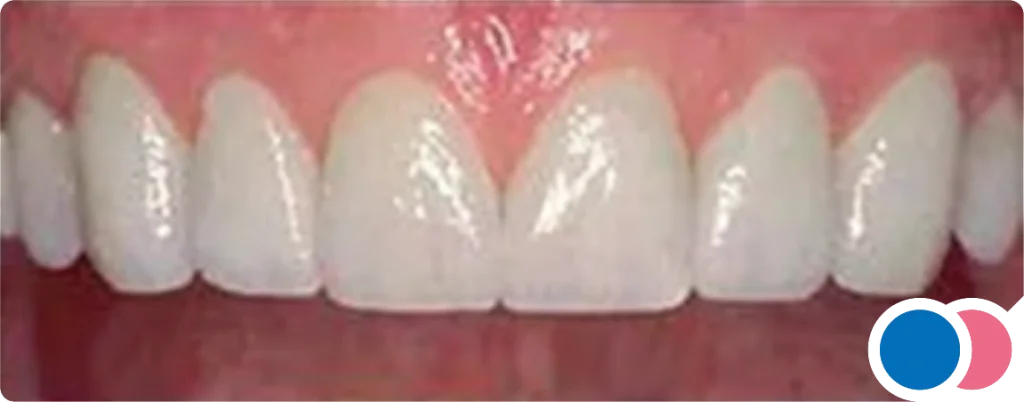
Restoring a patient’s smile completely is one of the most rewarding things a dental practice can offer. Full mouth dental implants represent the gold standard for patients who have lost most or all of their teeth. They deliver function, aesthetics, and long-term stability that traditional dentures simply cannot match.
For dental practices in the Greater Phoenix area and beyond, partnering with the right dental lab makes all the difference. Dentek Digital is a digital dental lab based in Phoenix, Arizona. We specialize in high-precision CAD/CAM restorations, including implant-supported prosthetics that support excellent patient outcomes.
In this guide, we explore what full mouth implant cases involve, how digital workflows improve results, and how dental professionals can streamline these complex cases with the right lab partner.
What Are Full Mouth Dental Implants?
Full mouth dental implants replace an entire arch — or both arches — of missing teeth. Instead of resting on the gums like traditional dentures, implant-supported prosthetics anchor directly into the jawbone. This provides stability, comfort, and a natural feel that patients notice immediately.
There are several approaches to full mouth implant restoration. The right solution depends on the patient’s bone volume, health history, and aesthetic goals.
Common Full Mouth Implant Solutions
- All-on-4 or All-on-X: A fixed prosthetic supported by four or more strategically placed implants per arch.
- Implant-supported overdentures: A removable prosthetic that snaps onto implant attachments for added stability.
- Full arch fixed bridges: Individual implants supporting a screw-retained or cement-retained bridge across the full arch.
Each approach requires precise planning and fabrication. Therefore, the dental lab’s role in these cases is critical to success.
Why Digital Workflows Transform Implant Cases
Traditional impressions and analog workflows can introduce error at multiple stages. Digital workflows reduce that risk significantly. Because of this, more dental practices across Phoenix, Mesa, Chandler, and Scottsdale are moving toward fully digital implant protocols.
CAD/CAM technology — which stands for Computer-Aided Design and Computer-Aided Manufacturing — allows labs to design and mill restorations with exceptional precision. At Dentek Digital, we were one of the earliest adopters of this workflow in the country. We bring that experience to every full arch implant case we fabricate.
How CAD/CAM Improves Full Arch Implant Restorations
Digital scanning captures the patient’s anatomy with far greater accuracy than traditional putty impressions. Additionally, CAD software allows technicians to design the prosthetic in three dimensions before a single block of material is milled. This means fewer adjustments chairside and better fit from the start.
Furthermore, digital files are storable and reproducible. If a restoration ever needs to be replaced, the lab can reference the original design data. This is a major advantage for long-term implant case management.
Digital Implant Planning
Dentek Digital also offers advanced digital implant planning services. This helps the restorative team and the surgical team align before treatment begins. As a result, the final prosthetic outcome is built into the plan from day one — not retrofitted after surgery.
Implant planning involves 3D imaging data, surgical guide design, and prosthetic design working together. This level of coordination supports predictable placement and better restorative margins. Dental practices in Gilbert, Tempe, and throughout the Valley are using this approach to elevate their implant programs.
Materials Used in Full Mouth Implant Restorations
Material selection matters enormously in full arch implant cases. The prosthetic must withstand heavy occlusal forces while maintaining an aesthetic appearance that patients expect. Moreover, it must be compatible with the implant system and easy for the dentist to manage clinically.
Zirconia
Zirconia is the most widely used material for full arch implant bridges. It is strong, biocompatible, and highly aesthetic. Additionally, zirconia resists staining and fracture better than older ceramic materials. Monolithic zirconia and layered zirconia options offer flexibility for different case needs.
PMMA and Acrylic Provisionals
Provisionals are an essential step in full mouth implant cases. They allow the patient to function while final restorations are fabricated. Also, they let the clinician verify occlusion, phonetics, and aesthetics before committing to the final material.
At Dentek Digital, we mill high-quality PMMA provisionals with the same digital precision as final restorations. This consistency between provisional and final stages helps reduce surprises at delivery.
What Dentists Should Know Before Submitting a Full Arch Case
Full mouth implant cases are the most complex restorations a dental lab fabricates. However, a well-organized submission makes a significant difference in turnaround time and result quality. Here are key things to consider before sending a full arch case to the lab.
Accurate Records Are Essential
- Digital scans: High-quality intraoral or model scans with clear implant scan body positions.
- Bite registration: Accurate vertical dimension of occlusion is critical for full arch cases.
- Facebow or equivalent data: Helps the lab establish proper occlusal plane orientation.
- Photos: Facial and intraoral photos aid in shade matching and smile design.
- Implant system details: Always specify the implant brand, system, and connection type.
When records are complete and accurate, the lab can begin fabrication without delays. On the other hand, incomplete records lead to remakes and extended treatment timelines — which no patient or practice wants.
Communication Between Dentist and Lab
Open communication is the foundation of a successful implant case. Therefore, we encourage dental teams across the Greater Phoenix area to reach out early in the treatment planning phase. The more context we have, the better we can support the outcome.
Dentek Digital works closely with dental professionals to discuss case specifics, material options, and timelines. We treat every case as a collaboration — not just a fabrication order.
How Dentek Digital Supports Full Arch Implant Cases
As a nationally recognized digital dental lab based in Phoenix, Arizona, Dentek Digital has built a reputation for precision, reliability, and partnership. We combine advanced CAD/CAM technology with skilled craftsmanship to deliver restorations that meet the highest clinical standards.
Our full arch implant services include provisional restorations, final zirconia bridges, implant bars, and overdenture prosthetics. In addition, we offer TattooTH — an advanced solution for personalized implant prosthetics that adds a truly unique level of customization.
We also offer digital implant planning to help practices develop a clear prosthetic roadmap before surgery begins. This proactive approach supports better alignment between the surgical and restorative phases — and ultimately, better outcomes for patients.
Dental practices in Phoenix, Scottsdale, Mesa, Chandler, and Gilbert rely on Dentek Digital for complex implant cases because they trust our workflow, our materials, and our team. We are proud to serve as a dedicated lab partner for practices throughout the Valley.
Frequently Asked Questions About Full Mouth Implant Restorations
What is the difference between All-on-4 and a full arch implant bridge?
All-on-4 refers to a specific surgical protocol using four implants per arch. A full arch implant bridge describes the prosthetic itself. Therefore, an All-on-4 case typically uses a full arch bridge as the restoration — the terms describe different parts of the same treatment.
How long does it take to fabricate a full arch implant restoration?
Fabrication timelines vary based on case complexity and material. Provisionals can often be delivered faster. Final zirconia restorations typically require additional design and milling time. Contact the lab early in your treatment plan to establish a realistic timeline.
Can Dentek Digital work with any implant system?
We work with a wide range of implant systems and connection types. However, always include the implant brand, system name, and connection type with your case submission. This ensures we select the correct components for your restoration.
Is digital scanning required to submit a full arch case?
Digital scans are strongly preferred because they provide more accurate data than traditional impressions. If digital scanning is not available in your practice, contact our team to discuss alternative options for record submission.
What materials does Dentek Digital recommend for full arch implant cases?
Zirconia is our most recommended material for full arch final restorations due to its strength and aesthetics. Additionally, we use PMMA for high-quality provisionals. The best material depends on the specific case, and we are happy to advise based on your clinical situation.
Partner With Dentek Digital for Your Full Arch Implant Cases
Full mouth dental implants are life-changing for patients — and they require a lab partner who understands the complexity involved. Dentek Digital brings digital precision, advanced materials, and deep clinical knowledge to every full arch case we fabricate.
Whether you are planning your first All-on-X case or looking to refine your existing implant workflow, we are here to help. Contact Dentek Digital today to discuss your case and discover how our digital lab services can support your practice and your patients.
We proudly serve dental professionals throughout Phoenix, Scottsdale, Mesa, Chandler, Gilbert, Tempe, and the entire Greater Phoenix, Arizona area. Let’s build something great together.