
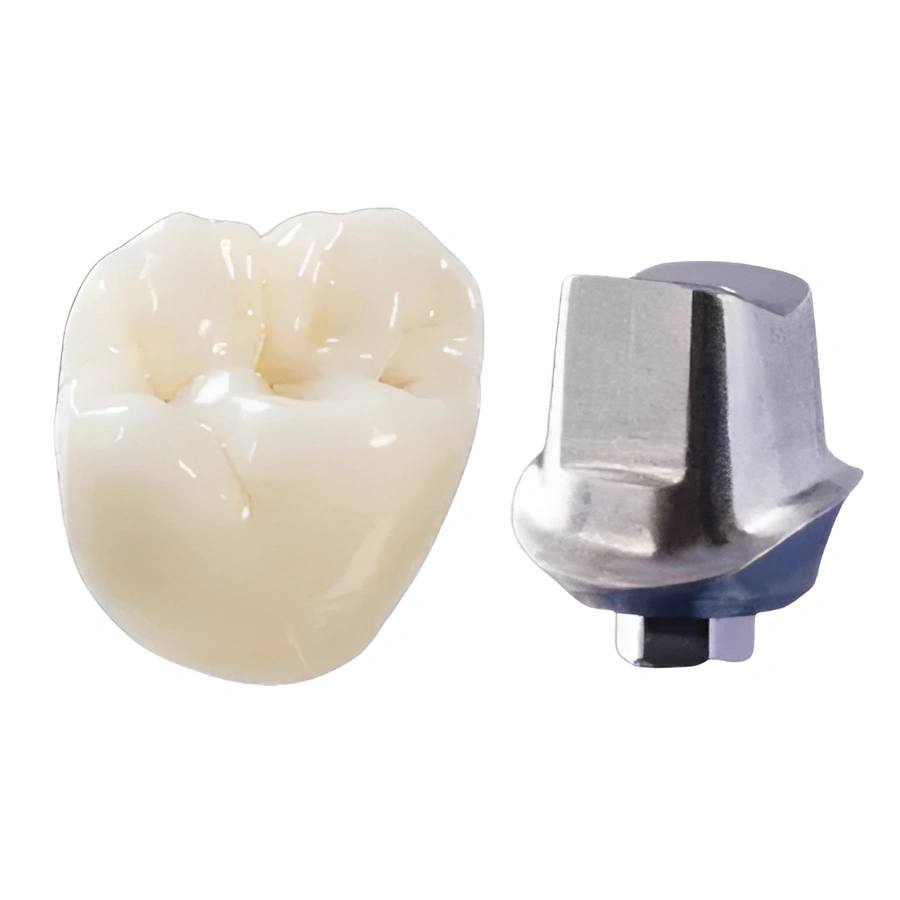
Full mouth dental implants have transformed the way dentists restore smiles for patients with severe tooth loss. This advanced treatment replaces an entire arch — or both arches — of missing teeth using implant-supported restorations. For dental professionals, the quality of the lab work behind these restorations makes all the difference.
At Dentek Digital, we fabricate high-precision implant restorations for dentists and dental practices throughout the Greater Phoenix, Arizona area. Our digital CAD/CAM workflow helps dental teams deliver consistent, reliable outcomes for their most complex implant cases.
Whether your practice is in Phoenix, Scottsdale, Mesa, or Chandler, understanding how full mouth implant restorations are designed and fabricated can help you serve your patients better. This guide breaks it all down.
What Are Full Mouth Dental Implants?
Full mouth dental implants refer to a comprehensive tooth replacement solution. Instead of individual crowns on single implants, this approach restores an entire arch using multiple implant posts and a connected prosthesis.
Two of the most common implant-supported designs are implant-supported full arches and the All-on-4 or All-on-X style bridges. Each approach places a fixed or removable prosthesis on several strategically placed implants. Because of this, fewer implants are needed to support a full arch of teeth.
The result is a stable, natural-looking restoration that functions like natural teeth. For patients who have experienced significant bone loss or full-arch tooth loss, this option can be life-changing.
Fixed vs. Removable Implant Prostheses
Dental professionals typically choose between fixed and removable implant-supported prostheses. Fixed restorations are permanently attached to the implants and can only be removed by a clinician. Removable options, sometimes called implant-retained overdentures, snap onto locator attachments or a bar framework.
Fixed options generally provide a more natural feel. However, removable designs can be easier to clean and may be more suitable for certain patients. The right choice depends on the patient’s bone volume, anatomy, and preferences.
At Dentek Digital, we fabricate both fixed and removable implant prostheses using advanced digital technology. Our team works closely with dental practices across Greater Phoenix to ensure every case fits precisely.
The Role of CAD/CAM Technology in Full Mouth Implant Cases
CAD/CAM stands for computer-aided design and computer-aided manufacturing. This technology is central to how modern dental labs — including Dentek Digital — fabricate implant restorations today.
First, digital impressions or scans are sent to the lab. Next, our technicians use specialized software to design the prosthesis with exceptional precision. Then, milling machines or 3D printing equipment fabricate the final restoration from high-quality materials.
Because of this digital workflow, we eliminate many of the variables that cause fit issues in traditional fabrication. The result is restorations that fit better, look more natural, and require fewer adjustments at the chair.
Why Digital Workflows Matter for Complex Cases
Full mouth implant cases are among the most complex in restorative dentistry. Therefore, accuracy at every step is critical. Even small errors in fit or occlusion can cause discomfort, implant stress, or restoration failure.
Digital workflows reduce these risks significantly. Additionally, they allow labs and dental practices to communicate more efficiently. Dentek Digital can review scans, flag potential issues, and collaborate with your team before fabrication begins.
Furthermore, CAD/CAM technology allows us to work with a wide range of materials — including zirconia, titanium frameworks, and acrylic-based options — to meet the clinical needs of each unique case.
Implant Planning: A Critical Step Before Fabrication
Successful full mouth implant cases depend heavily on thorough planning. At Dentek Digital, we offer advanced digital implant planning services to support dental professionals before a single implant is placed.
Digital implant planning uses cone-beam CT (CBCT) data and intraoral scan data together. This allows the dental team to visualize implant placement in three dimensions. Moreover, it helps ensure that implants are placed in positions that support the final restoration.
Prosthetically driven implant placement is a key principle here. In simple terms, the restoration design should guide where implants are placed — not the other way around. Our planning services help dental teams in Phoenix, Gilbert, Tempe, and beyond approach each case with confidence.
How Dentek Digital Supports Implant Planning
Our team reviews CBCT scans and digital impressions to map out optimal implant positions. We design surgical guides that help clinicians place implants precisely. Additionally, we provide provisional restoration plans so patients can evaluate aesthetics and function during the healing phase.
This level of planning reduces surprises in the final delivery. As a result, dental practices report smoother workflows and more predictable outcomes. We are proud to serve as a trusted partner for implant-focused practices across the Greater Phoenix region.
Materials Used in Full Mouth Implant Restorations
Choosing the right material for a full mouth implant case is important. Each material offers a different balance of strength, aesthetics, and cost. Dentek Digital works with several high-quality options to match each patient’s clinical needs.
- Zirconia: Extremely strong and tooth-colored. Zirconia is a popular choice for fixed full-arch bridges because of its durability and natural appearance.
- Titanium Frameworks: Titanium is often used for the substructure of implant bars or hybrid prostheses. It is lightweight, strong, and biocompatible.
- Acrylic and Composite: These materials are commonly used in hybrid or All-on-X style prostheses. They are lighter and can be easier to repair if needed.
- PMMA (Polymethyl Methacrylate): PMMA is often used for long-term provisionals. It allows patients and clinicians to evaluate the restoration before the final design is locked in.
Our team helps dental practices choose the best material based on the patient’s bite forces, aesthetic goals, and overall treatment plan. We believe the right material choice is just as important as precise fabrication.
TattooTH: Advanced Implant Identification Technology
Dentek Digital is proud to offer TattooTH, an innovative service that adds unique identifiers to dental prostheses. For full mouth implant cases, this is especially valuable.
TattooTH embeds a discreet identifier into the restoration itself. This allows clinicians, patients, and even first responders to identify a prosthesis if needed. Additionally, it helps labs and practices track restorations accurately over time.
This service reflects our commitment to innovation. We are always looking for ways to provide more value to the dental professionals we serve across Greater Phoenix and beyond.
Frequently Asked Questions About Full Mouth Dental Implants
How long does it take to fabricate a full mouth implant restoration?
Fabrication timelines vary based on the case complexity and chosen materials. However, most full arch restorations take several weeks from the time the lab receives all necessary scans and records. Digital workflows at Dentek Digital help reduce turnaround times without compromising quality.
What information does the lab need to get started?
Typically, we need digital scans of the implant positions, bite records, shade information, and any relevant photos. For implant planning cases, CBCT data is also required. Our team is happy to walk your practice through the case submission process.
Can Dentek Digital work with any implant system?
We work with a wide range of implant systems and scan body types. Before submitting a case, simply reach out to confirm compatibility. Our team stays current with the most widely used implant platforms in the industry.
What is the difference between All-on-4 and All-on-X?
All-on-4 refers to a specific protocol using four implants to support a full arch prosthesis. All-on-X is a broader term that describes similar approaches using varying numbers of implants. The number and position of implants depend on the patient’s anatomy and the clinician’s treatment plan.
Does the quality of the dental lab affect implant outcomes?
Absolutely. The precision and quality of the lab work directly affect how well the restoration fits, functions, and lasts. Accurate margins, proper occlusion, and material quality all begin at the lab. Dentek Digital uses advanced CAD/CAM technology and skilled craftsmanship to deliver exceptional results on every case.
Partnering with Dentek Digital for Implant Cases
Dental practices across Phoenix, Scottsdale, Mesa, and Chandler trust Dentek Digital for their most demanding implant restorations. We combine the precision of digital technology with the expertise of skilled dental technicians.
Our team understands that every full mouth implant case is unique. Therefore, we take a collaborative approach with every dental practice we work with. We review cases carefully, communicate proactively, and deliver restorations that meet the highest standards.
In addition, we offer a full range of dental lab services — from fixed restorations and removables to splints, nightguards, and implant planning. This means your practice can rely on one trusted lab partner for a wide range of clinical needs.
If you are ready to elevate your implant workflow, we invite you to contact Dentek Digital and send us your next case. Our team is here to support your practice and your patients every step of the way.