
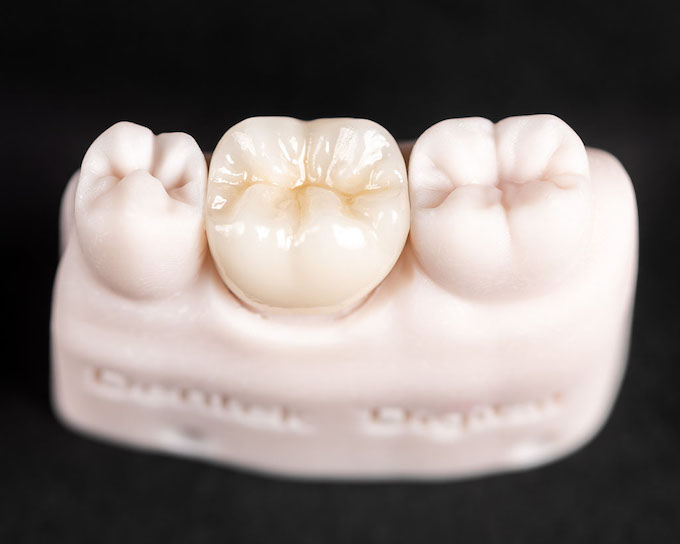
Choosing the right restorative material is one of the most important decisions in modern dental care. When it comes to emax vs zirconia, many dentists find themselves weighing aesthetics against strength. Both materials are excellent choices, but they perform very differently depending on the clinical situation.
At Dentek Digital, we work with dental practices across Greater Phoenix — including Scottsdale, Chandler, Mesa, and Gilbert — to fabricate precise, high-quality restorations every day. Therefore, we understand exactly how these two materials behave in a real CAD/CAM workflow. This guide will help you make a more informed decision for your patients.
Let’s break down the key differences, strengths, and ideal use cases for each material so you can confidently choose the right option.
What Is e.max?
e.max is a lithium disilicate ceramic. It is prized for its exceptional translucency and lifelike appearance. As a result, it is a go-to material for anterior restorations where aesthetics are the top priority.
This material is milled or pressed and then crystallized in a furnace. The final result is a restoration with natural depth and light transmission. Additionally, e.max bonds strongly to tooth structure, which helps preserve more of the natural tooth.
Where e.max Excels
e.max performs best in low-to-moderate stress areas. For example, it is ideal for anterior crowns, veneers, and single-unit posterior crowns in patients with light occlusal loads. It offers outstanding color matching and blends naturally with surrounding dentition.
Dental practices in Scottsdale and Phoenix frequently request e.max for cosmetic-driven cases. The material’s translucency makes it nearly indistinguishable from natural enamel. Furthermore, it is well-suited for conservative preparations.
Limitations of e.max
e.max is strong, but it is not the strongest option available. It can fracture under heavy bite forces, especially in bruxers. Therefore, it may not be the best choice for high-stress posterior regions or multi-unit bridges.
Also, it requires careful handling during fabrication and cementation. Bonding protocol matters significantly with this material. However, when done correctly, e.max restorations can be extremely durable and long-lasting.
What Is Zirconia?
Dental restoration materials have evolved rapidly, and zirconia stands at the forefront of that evolution. Zirconia is a polycrystalline ceramic known for its exceptional strength and durability. It was originally used in industrial applications before making its way into dentistry.
Today, zirconia comes in several formulations. These range from high-strength monolithic zirconia to highly translucent multilayer zirconia. Because of this, it offers far more versatility than earlier generations of the material.
Where Zirconia Excels
Zirconia is the material of choice for high-stress restorations. It handles heavy occlusal loads extremely well. Therefore, it is ideal for posterior crowns, full-arch restorations, and implant-supported prosthetics.
Dental practices in Mesa, Gilbert, and Chandler regularly rely on zirconia for complex restorative cases. It is also highly biocompatible and resistant to corrosion. In addition, modern multilayer zirconia has improved significantly in aesthetics, making it more competitive with e.max in the anterior region.
Limitations of Zirconia
Traditional zirconia can appear opaque compared to natural teeth. However, newer translucent and ultra-translucent formulations have largely addressed this issue. The key is choosing the right grade of zirconia for the specific indication.
Zirconia also requires precise milling equipment and proper sintering to achieve optimal results. On the other hand, when fabricated with advanced CAD/CAM technology, the fit and finish of zirconia restorations are outstanding.
emax vs Zirconia: A Side-by-Side Comparison
Understanding the differences between these two materials helps you choose with confidence. Below is a practical breakdown across several key clinical factors.
- Strength: Zirconia is significantly stronger than e.max and handles higher bite forces.
- Aesthetics: e.max offers superior translucency and natural light transmission for anterior cases.
- Versatility: Zirconia covers a wider range of indications, including bridges and implant crowns.
- Preparation requirements: e.max often requires a more conservative preparation for bonded restorations.
- Wear on opposing dentition: High-strength zirconia can be abrasive; translucent zirconia is gentler on opposing teeth.
- Fabrication: Both materials work exceptionally well in a digital CAD/CAM workflow.
Neither material is universally superior. Instead, the best choice depends on the specific case requirements, the patient’s bite, and the desired aesthetic outcome.
How to Choose Between e.max and Zirconia
Selecting the right material starts with a thorough clinical evaluation. Consider the location of the restoration first. Anterior teeth generally benefit from e.max. Meanwhile, posterior teeth under heavy function often do better with zirconia.
Consider the Patient’s Bite
Patients with bruxism or heavy occlusal habits need extra durability. In these cases, zirconia is typically the safer choice. Furthermore, for implant-supported crowns, zirconia is often preferred due to its strength and biocompatibility.
On the other hand, a patient with a lighter bite and high cosmetic demands may be a perfect candidate for e.max. Therefore, always factor in parafunctional habits and occlusal load when selecting a material.
Consider the Span and Unit Count
For single-unit crowns, both materials are viable options. However, for three-unit bridges or longer spans, zirconia is the stronger and more reliable choice. e.max bridges are possible but come with more limitations in longer spans.
Also, implant-retained restorations almost always call for zirconia. The forces placed on implants during function are significant. As a result, zirconia’s strength characteristics make it the preferred material in these situations.
Consider the Aesthetic Zone
In the aesthetic zone — typically the upper anterior teeth — appearance is critical. e.max delivers unmatched translucency and depth. Additionally, it blends seamlessly with natural dentition in most cases.
However, modern high-translucency zirconia has become a strong competitor even in aesthetic cases. If the case involves both strength and aesthetics — such as an anterior implant crown — high-translucency zirconia is often the best compromise.
The Role of CAD/CAM Technology in Material Selection
Both e.max and zirconia perform best when fabricated using advanced CAD/CAM technology. Digital design allows for precise fit, optimized occlusion, and consistent results. This is especially important when working with demanding materials like zirconia.
At Dentek Digital, we were among the earliest adopters of the digital CAD/CAM workflow in the country. Our Phoenix lab uses cutting-edge milling and sintering equipment to fabricate restorations that meet the highest standards. Therefore, whether you choose e.max or zirconia, the quality of fabrication is never a concern.
Digital workflows also improve communication between the lab and the dental practice. Scan files, digital shade guides, and design previews make collaboration easier and faster. As a result, dentists in Phoenix, Scottsdale, Chandler, and across the Greater Phoenix area benefit from faster turnaround times and fewer remakes.
Ready to discuss your next restoration? Contact Dentek Digital and let our team help you choose the right material for your case.
Frequently Asked Questions: e.max vs Zirconia
Is e.max or zirconia better for anterior crowns?
e.max is generally preferred for anterior crowns due to its superior translucency and natural appearance. However, high-translucency zirconia is also a strong option, especially for implant crowns where strength is also a factor.
Can zirconia be used for veneers?
Zirconia veneers are possible but less common. They require more tooth reduction than porcelain veneers. Therefore, e.max or feldspathic porcelain is typically preferred for veneer cases.
Which material is more durable for back teeth?
Zirconia is significantly stronger and more resistant to fracture under high occlusal loads. As a result, it is the preferred choice for posterior crowns, especially in patients with bruxism or heavy biting habits.
Does zirconia look natural?
Modern multilayer and high-translucency zirconia can look very natural. While traditional zirconia appeared more opaque, today’s formulations offer excellent aesthetics. Furthermore, skilled lab technicians can enhance the appearance with staining and glazing techniques.
How does a digital lab choose between e.max and zirconia?
A digital lab relies on the prescription and clinical information provided by the dentist. The restoration location, span, occlusal load, and aesthetic goals all guide material selection. Additionally, open communication between the lab and the practice leads to the best outcomes for patients.
Partner with Dentek Digital for Precision Restorations
Choosing between e.max and zirconia doesn’t have to be complicated. With the right lab partner, you can make confident decisions for every case. Dentek Digital combines advanced CAD/CAM technology with expert craftsmanship to deliver the highest quality restorations available.
We proudly serve dental practices throughout Greater Phoenix, including Scottsdale, Mesa, Gilbert, Chandler, and surrounding communities. Whether you need an aesthetic anterior crown or a high-strength posterior restoration, our team is ready to help.
Explore your options and send us your next case. Our experienced team is here to guide you through every step of the material selection and fabrication process. Together, we can deliver the best possible outcomes for your patients.