
Choosing between implants vs dentures is one of the most important decisions a patient can make. Both options can restore function and confidence. However, they work very differently and suit different needs.
Dentists across the Greater Phoenix area — from Scottsdale to Chandler — face this question regularly. Understanding the key differences helps practices guide patients toward the best outcome. Additionally, it helps dental labs deliver the right restoration from the start.
At Dentek Digital, we fabricate high-quality implant-supported and removable restorations using advanced CAD/CAM technology. We work closely with dental professionals to support smarter, more precise treatment decisions.
What Are Dental Implants?
Dental implants are permanent tooth replacements anchored directly into the jawbone. A titanium post acts as an artificial root. Then, a custom crown or restoration is placed on top.
Implants look and feel like natural teeth. Because of this, they are often considered the gold standard for tooth replacement. They also help preserve jawbone density over time.
Types of Implant Restorations
Implants can support a single crown, a dental bridge, or a full arch restoration. Each option requires precise fabrication. Therefore, digital workflows play a critical role in accuracy.
At Dentek Digital, we use CAD/CAM technology to design and mill implant restorations with exceptional precision. Our digital implant planning services also help dentists in Mesa, Tempe, Gilbert, and Chandler plan cases with confidence before the first appointment.
- Single-tooth implants: Replace one missing tooth with a post and custom crown.
- Implant-supported bridges: Replace multiple adjacent teeth without removable hardware.
- Full-arch implants (All-on-X): Restore an entire arch with a fixed, implant-anchored prosthesis.
- Implant-retained dentures: Combine implant stability with a removable appliance design.
What Are Dentures?
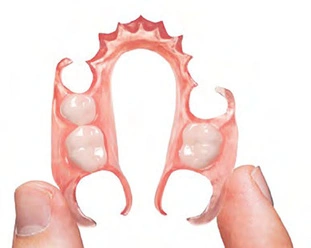
Dentures are removable prosthetics that replace missing teeth. They rest on the gum tissue and, in some cases, the palate. Modern dentures have improved significantly in fit, comfort, and aesthetics.
Furthermore, digital denture fabrication has raised the bar even higher. Digital workflows allow for more precise fitting and faster turnaround times. As a result, patients experience better outcomes than with traditional methods alone.
Types of Dentures
Dentures come in several forms depending on how many teeth a patient is missing. Each type serves a different clinical need. Additionally, each type requires a different fabrication approach.
- Full dentures: Replace all teeth in the upper or lower arch.
- Partial dentures: Fill gaps where some natural teeth remain.
- Implant-retained dentures: Snap onto implants for added stability.
- Immediate dentures: Placed the same day as extractions during the healing period.
Dentech Digital fabricates removable prosthetics using digital design tools that improve precision and reduce remakes. We serve dental practices across the Phoenix metro area, including communities in Scottsdale and Mesa.
Implants vs Dentures: Key Differences
Both options restore function and aesthetics. However, they differ in significant ways. Understanding these differences helps dentists have better conversations with their patients.
Stability and Comfort
Implants are fixed in place. They do not shift or slip during eating or speaking. Moreover, they feel much closer to natural teeth.
Dentures, on the other hand, rest on the gum tissue. They may require adhesives to stay in place. However, implant-retained dentures offer a middle ground with much improved stability.
Bone Preservation
One major advantage of implants is bone preservation. When a tooth root is gone, the surrounding jawbone can shrink over time. Implants stimulate the bone and help slow that process.
Dentures do not preserve bone in the same way. In fact, bone loss under a denture can cause the fit to change over time. Therefore, periodic adjustments and relining may be needed.
Maintenance and Care
Implants are maintained much like natural teeth. Patients brush, floss, and attend regular checkups. Additionally, the restoration itself is durable and long-lasting with proper care.
Dentures require daily removal and cleaning. They must be stored properly overnight. Furthermore, they may need professional relining or replacement over time as the mouth changes.
Treatment Timeline
Implant treatment typically takes several months from placement to final restoration. The jaw needs time to heal around the implant post. Meanwhile, a temporary restoration is often worn during that period.
Dentures, on the other hand, can often be delivered in a shorter timeframe. Immediate dentures can even be placed the same day as extractions. However, adjustments are usually needed as the tissue heals.
Candidacy Considerations
Not every patient is an ideal candidate for implants. Adequate bone volume is required to support the titanium post. Additionally, certain health conditions may affect healing and integration.
Dentures are more widely accessible across a broader range of patients. They do not require surgery. Therefore, they are often recommended when implant placement is not feasible.
How Digital Technology Improves Both Options
Digital dentistry has transformed how both implants and dentures are designed and fabricated. CAD/CAM technology allows for precise, repeatable results that are difficult to achieve with traditional methods alone. Because of this, digital labs like Dentek Digital are changing what is possible.
We were one of the earliest adopters of the digital CAD/CAM workflow in the country. Our technology allows us to design restorations with accuracy measured in microns. As a result, dentists in the Greater Phoenix area receive restorations that fit better and require fewer adjustments.
Digital Implant Planning
Before a single implant is placed, digital planning can map the entire procedure. This uses 3D imaging data to identify the ideal implant position. Therefore, the surgical guide and the final restoration can be designed together from the start.
We offer digital implant planning services for dental practices across Phoenix, Tempe, Gilbert, and Chandler. This approach reduces risk and improves predictability for both the dentist and the patient.
CAD/CAM Denture Fabrication
Digital dentures are milled or printed from high-quality materials. They offer improved accuracy over traditional pour-and-pack methods. Furthermore, digital records mean that remakes are faster and more precise if adjustments are ever needed.
Our lab uses digital workflows for full dentures, partial dentures, and implant-retained prosthetics. We combine technology with skilled craftsmanship to deliver results that both dentists and patients trust.
Which Option Is Right for Your Patient?
There is no single answer that fits every case. The right choice depends on the patient’s health, bone volume, lifestyle, and goals. Additionally, budget and timeline often play a role in the final decision.
As a dental professional, your role is to evaluate all of these factors together. Moreover, having a reliable lab partner makes that conversation easier. When your lab understands the case from the beginning, the restoration reflects the plan.
Dentists across the Phoenix metro — from Scottsdale to Mesa — partner with Dentek Digital to support better patient outcomes. We offer fixed restorations, removables, dental implants, and more. Furthermore, our team is ready to discuss your cases and help you choose the right fabrication approach.
Frequently Asked Questions
Can dentures be converted to implant-supported restorations later?
Yes, in many cases. However, the patient must have adequate bone density to support implants. A thorough evaluation and digital implant planning can help determine if conversion is possible.
How long do implant restorations last compared to dentures?
Implant restorations are generally very durable with proper care. Dentures, on the other hand, may need relining or replacement more frequently as the jaw changes over time. Neither option comes with a guaranteed lifespan, as individual factors vary.
What role does the dental lab play in implant and denture cases?
The lab fabricates the actual restoration the patient wears. Therefore, lab accuracy directly affects fit, function, and aesthetics. A digital lab like Dentek Digital uses CAD/CAM technology to maximize precision at every step.
Do digital dentures fit better than traditional dentures?
Digital dentures are designed with highly accurate data from digital scans. As a result, they often fit more precisely and require fewer adjustments. Additionally, digital records make future modifications easier.
How does Dentek Digital support implant cases for Phoenix-area dentists?
We offer digital implant planning, custom abutments, implant crowns, and full-arch restorations. Furthermore, we work collaboratively with dental practices in Phoenix, Mesa, Chandler, Tempe, and Scottsdale to support each case from planning through delivery.
Partner With Dentek Digital for Implant and Denture Cases
Whether your patient needs a single implant crown or a full-arch removable prosthetic, precision matters at every step. Dentek Digital combines advanced CAD/CAM technology with experienced craftsmanship to deliver restorations that dentists and patients rely on.
We proudly serve dental practices across the Greater Phoenix area, including Mesa, Tempe, Chandler, Gilbert, and Scottsdale. Our digital workflows support faster turnaround, fewer remakes, and better-fitting restorations every time.
Ready to take the next step? Contact Dentek Digital today to send us a case or discuss your next implant or denture restoration with our experienced team.