
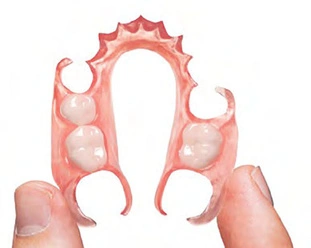
When patients lose teeth, they face a big decision: dental implants or dentures? This choice affects how they eat, speak, and feel about their smile every day. Understanding implants vs dentures helps both patients and their dental providers make confident, well-informed decisions.
At Dentek Digital, we fabricate high-quality dental restorations for dentists and dental practices across the Greater Phoenix area. We work closely with dental professionals to deliver precise, reliable results using advanced CAD/CAM technology. This guide breaks down what you need to know about both restoration options.
Whether you practice in Scottsdale, Mesa, Chandler, or Gilbert, understanding these two paths helps you serve your patients better. Let’s explore what sets these options apart.
What Are Dental Implants?
Dental implants are titanium posts surgically placed into the jawbone. They act as artificial tooth roots. Over time, the bone fuses around the post in a process called osseointegration.
Once the implant integrates, a dental crown is placed on top. This crown looks and functions like a natural tooth. Patients can eat, brush, and speak with confidence.
How CAD/CAM Technology Improves Implant Restorations
At Dentek Digital, we use advanced CAD/CAM (computer-aided design and manufacturing) technology to fabricate implant crowns and components. This digital workflow delivers exceptional precision. As a result, restorations fit better and last longer.
CAD/CAM allows us to mill restorations from high-strength materials like zirconia. These materials are durable and lifelike. Furthermore, the digital process reduces human error and speeds up turnaround for dental practices.
Dentists across the Phoenix area trust our lab because we combine technology with skilled craftsmanship. We were among the earliest adopters of digital workflows in the country. Therefore, our team brings deep experience to every case we handle.
Types of Implant Restorations We Fabricate
- Single-unit implant crowns – Replaces one missing tooth with a natural-looking crown.
- Implant-supported bridges – Supports multiple missing teeth using two or more implants.
- Implant-retained overdentures – A removable denture that snaps onto implant attachments for added stability.
- Full-arch fixed restorations – Also known as All-on-4 or All-on-X, these replace an entire arch of teeth.
Each of these solutions requires precise lab work. Additionally, digital planning tools help ensure accurate placement and restoration fit from the start.
What Are Dentures?
Dentures are removable prosthetic devices that replace missing teeth. They rest on the gum tissue and are held in place by suction or adhesive. Patients remove them for cleaning and at night.
Dentures have been used for generations. They remain a popular option for patients who are not surgical candidates or who prefer a non-invasive approach. However, they do come with certain limitations.
Traditional vs. Digital Dentures
Traditional dentures are made using analog impression techniques and hand-crafted processes. Digital dentures, on the other hand, use CAD/CAM technology for design and fabrication. This results in better-fitting, more consistent prosthetics.
At Dentek Digital, we fabricate high-quality removable prosthetics using digital workflows. Our process captures precise measurements and produces dentures that fit more comfortably. Moreover, digital dentures can be reproduced accurately if a patient loses or damages their prosthetic.
Dental practices in Tempe, Mesa, and Chandler benefit from our digital removables service. Because we use the latest fabrication technology, we deliver consistent quality case after case. This makes life easier for both the dentist and the patient.
Common Types of Dentures
- Complete dentures – Replace all teeth in the upper or lower arch.
- Partial dentures – Fill in gaps when some natural teeth remain.
- Implant-retained overdentures – Combine implant stability with the convenience of a removable design.
Each type serves a different clinical need. Therefore, dentists must evaluate each patient carefully before recommending a solution.
Implants vs Dentures: Key Differences
Choosing between implants and dentures depends on many factors. These include bone density, overall health, budget, and patient preference. Below, we compare the two options across several important categories.
Stability and Comfort
Implants are fixed in the jaw. They do not shift or slip during eating or speaking. As a result, patients often report a more natural and comfortable experience.
Dentures, on the other hand, can move if they do not fit well. This can cause discomfort or difficulty chewing. However, well-fitted digital dentures dramatically reduce this issue.
Bone Health
When a tooth is lost, the jawbone begins to shrink over time. This process is called bone resorption. Implants help prevent this because they stimulate the bone like natural tooth roots.
Dentures do not prevent bone loss. In fact, over time, bone resorption may cause dentures to fit less securely. This is one reason many clinicians recommend implants when patients are good candidates.
Maintenance and Care
Implants are cleaned just like natural teeth — with brushing and flossing. They do not require removal at night. Furthermore, with proper care, implants can be a very long-term solution.
Dentures require daily removal for cleaning. They must be soaked overnight and kept moist. Additionally, denture adhesive is sometimes necessary to keep them in place during the day.
Treatment Timeline
Implant treatment takes longer overall. Osseointegration can take several months. However, the final restoration is placed once healing is complete, and results tend to be very stable.
Dentures can often be delivered more quickly. For patients who need teeth replaced soon, this can be a significant advantage. In some cases, immediate dentures are placed the same day as extractions.
Patient Candidacy
Not every patient is a good candidate for implants. Adequate bone volume, healthy gums, and no uncontrolled systemic conditions are typically required. Therefore, a thorough evaluation is essential before treatment planning.
Dentures are generally available to more patients. They do not require surgery and are often suitable for elderly patients or those with health concerns. On the other hand, patients who qualify for implants often find them to be worth the additional steps involved.
How Digital Implant Planning Supports Better Outcomes
At Dentek Digital, we offer advanced digital implant planning services. This technology allows dental providers to plan implant placement virtually before any surgery occurs. As a result, the entire workflow becomes more predictable.
Digital planning uses 3D imaging data to map the patient’s anatomy. The implant position is virtually simulated to achieve the best possible outcome. Furthermore, surgical guides can be fabricated from this data to help clinicians place implants with precision.
Dentists in Scottsdale and Gilbert who use our implant planning services report smoother procedures and improved patient satisfaction. Because the planning is done digitally, there are fewer surprises during surgery. This benefits both the provider and the patient.
If your practice is exploring implant services, our team is ready to help. Contact Dentek Digital to discuss your implant cases and see how our digital workflow can support your practice.
What Dentists Should Consider When Recommending a Solution
Every patient case is unique. Dentists must weigh clinical, financial, and personal factors when making a recommendation. Below are key considerations to keep in mind.
- Bone volume: Adequate bone is required for implant placement. Grafting may be needed in some cases.
- Patient health: Certain medical conditions or medications can affect candidacy for surgery.
- Patient goals: Some patients prioritize function; others prioritize cost or convenience.
- Long-term planning: Implants may offer a more stable long-term solution for younger patients.
- Lab support: Working with an experienced lab ensures that restorations meet clinical expectations.
Additionally, clear communication between the dentist and the lab is essential. At Dentek Digital, we partner closely with dental professionals to support their treatment plans. Our team is here to help from case planning through final delivery.
Frequently Asked Questions About Implants vs Dentures
Are dental implants better than dentures?
Implants offer several advantages, including better bone preservation and greater stability. However, they are not the right choice for every patient. A dentist must evaluate each case individually to determine the best option.
Can a patient switch from dentures to implants later?
In many cases, yes. However, bone loss from long-term denture wear may require grafting before implants can be placed. Therefore, early evaluation is helpful when a patient is open to implants in the future.
How does CAD/CAM technology improve dentures and implant crowns?
CAD/CAM technology allows labs to design and mill restorations with very high precision. This results in better-fitting, more durable prosthetics. Furthermore, the digital workflow makes it easier to reproduce or adjust restorations when needed.
How long does it take to get an implant restoration from a digital lab?
Turnaround times vary depending on the complexity of the case. However, digital workflows at labs like Dentek Digital are designed to be efficient. We work closely with dental practices to meet their scheduling needs.
Does Dentek Digital work with practices outside Phoenix?
Our primary focus is serving dental practices in the Greater Phoenix area, including Mesa, Tempe, Chandler, Gilbert, and Scottsdale. We are proud to be a trusted lab partner for dental professionals across the region.
Partner With a Digital Lab That Delivers
Choosing between implants and dentures is an important clinical decision. As a dental professional, you want a lab partner who understands both options deeply. At Dentek Digital, we fabricate precise, high-quality restorations for both implant and removable cases.
We use the latest CAD/CAM technology and digital workflows to deliver exceptional results. Our team brings experience, craftsmanship, and a commitment to quality to every case. Moreover, we work closely with dentists across Phoenix to support outstanding patient outcomes.
If you are ready to elevate your restorative offerings, we would love to work with you. Send us a case and discover what a true digital lab partnership can do for your practice.