
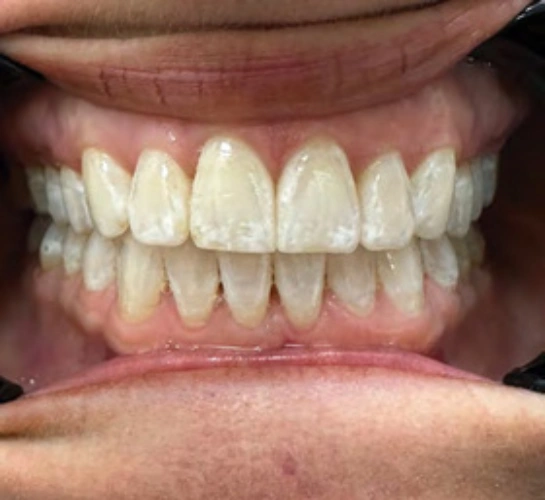
When patients face significant tooth loss, the conversation around implants vs dentures becomes one of the most important discussions a dentist can have. Both solutions restore function and appearance. However, they work very differently and serve different patient needs.
At Dentek Digital, our team fabricates high-quality dental restorations using advanced CAD/CAM technology. We work closely with dental professionals across the Greater Phoenix area, including Mesa, Tempe, Chandler, and Gilbert. Our goal is to support better patient outcomes through precision digital dentistry.
This guide breaks down both options clearly. Whether you are a dentist exploring digital lab solutions or a practice looking to expand your implant offerings, this resource is for you.
Understanding the Basics: Implants vs Dentures
Before comparing the two, it helps to understand what each restoration actually is. Both options replace missing teeth. However, they differ significantly in design, function, and long-term impact.
What Are Dental Implants?
Dental implants are titanium posts surgically placed into the jawbone. They act as artificial tooth roots. Over time, the bone fuses to the implant in a process called osseointegration.
A custom crown is then attached to the implant. This creates a restoration that looks and feels like a natural tooth. Additionally, implants help preserve jawbone density over time.
At Dentek Digital, we fabricate implant crowns and implant-supported restorations using CAD/CAM technology. This ensures a precise fit every time. As a result, dentists can trust consistent, high-quality outcomes for their patients.
What Are Dentures?
Dentures are removable appliances that replace multiple missing teeth. They rest on the gums and, in some cases, on remaining natural teeth. Traditional dentures do not integrate with the jawbone.
There are two main types: full dentures and partial dentures. Full dentures replace an entire arch of teeth. Partial dentures fill gaps when some natural teeth remain.
Modern digital dentures are a significant upgrade over older methods. For example, CAD/CAM-designed dentures offer better fit, comfort, and aesthetics. Dentek Digital fabricates digital removables that reflect this evolution in dental technology.
Key Differences Between Implants and Dentures
Understanding the core differences helps dentists guide their patients more effectively. Both solutions have real advantages. On the other hand, each also comes with important considerations.
Stability and Fit
Implants are fixed in place. They do not shift or slip during eating or speaking. This makes them one of the most stable tooth replacement options available.
Dentures, meanwhile, rely on suction, adhesives, or clasps for retention. Traditional dentures can shift over time as the jawbone changes shape. However, implant-supported dentures offer a stronger, more stable alternative.
Bone Health and Preservation
One of the most important differences involves jawbone health. Because implants integrate with the bone, they stimulate it naturally. This helps prevent the bone loss that often follows tooth extraction.
Traditional dentures do not provide this benefit. In fact, bone resorption can continue beneath dentures over time. Therefore, patients with dentures may experience changes in facial structure and denture fit over the years.
Maintenance and Care
Implants are cared for much like natural teeth. Patients brush, floss, and attend regular dental checkups. Additionally, there are no adhesives or soaking solutions required.
Dentures require daily removal and cleaning. They must be soaked overnight in most cases. Furthermore, they may need periodic relining or replacement as the mouth changes shape.
Treatment Timeline
Implant treatment takes longer to complete. The process involves surgery, a healing period, and then restoration placement. For some patients, the full timeline spans several months.
Dentures, on the other hand, can often be delivered more quickly. They do not require surgery in most cases. Therefore, they may be the preferred option for patients who need a faster solution.
Who Is a Good Candidate for Each Option?
Patient selection is a critical part of the implants vs dentures conversation. Not every patient qualifies for implants. Similarly, dentures are not always the best long-term choice for every case.
Ideal Candidates for Dental Implants
Good implant candidates generally have adequate bone density and volume. They should be in reasonably good overall health. Additionally, they must be committed to proper oral hygiene.
Patients who smoke or have uncontrolled diabetes may face higher risk with implants. Dentists in areas like Scottsdale and Gilbert often complete thorough evaluations before recommending implant treatment. Digital implant planning tools, like those supported by Dentek Digital, help improve case accuracy significantly.
Ideal Candidates for Dentures
Dentures may be recommended for patients who are not surgical candidates. They are also a strong option for patients who have experienced significant bone loss. Moreover, cost and timeline can make dentures a more accessible choice for some patients.
Digital dentures fabricated through a CAD/CAM workflow offer much better precision than older analog methods. As a result, even patients choosing dentures can benefit from a higher standard of care.
The Role of Digital Dentistry in Modern Restorations
Digital dentistry has transformed how both implant restorations and dentures are designed and fabricated. Traditional methods relied heavily on manual impressions and analog workflows. Today, digital workflows are faster, more accurate, and more predictable.
Dentek Digital has been one of the earliest adopters of the CAD/CAM workflow in the country. We combine advanced technology with skilled craftsmanship. This gives dental practices across Phoenix, Mesa, Tempe, and Chandler access to some of the most precise restorations available.
CAD/CAM Implant Restorations
CAD/CAM technology allows our team to design implant crowns and abutments with exceptional accuracy. Digital scans replace traditional impressions in many cases. Therefore, fit and aesthetics are more predictable from the start.
We also offer digital implant planning support through our advanced services. This helps dentists visualize placement before surgery. As a result, both the surgical and restorative phases benefit from better planning.
Digital Removables and Dentures
Our digital removables offering brings the same precision to denture fabrication. CAD/CAM-designed dentures fit better and look more natural than many traditionally made alternatives. Furthermore, digital records make it easier to reproduce or adjust restorations when needed.
Practices across the Greater Phoenix area are increasingly adopting digital workflows. Partnering with a lab like Dentek Digital makes that transition seamless. We support dental teams with reliable turnaround times and consistent quality.
Implant-Supported Dentures: A Middle-Ground Option
For some patients, the choice is not strictly between implants and dentures. Implant-supported dentures offer the best of both worlds. They combine the stability of implants with the coverage of a full denture.
These restorations snap onto implants placed in the jaw. They can be removed for cleaning but stay secure during daily activities. Additionally, they help slow bone loss better than traditional dentures.
Dentek Digital fabricates implant-supported denture components with the same digital precision as our other restorations. This option is worth discussing with patients who want improved stability but are not candidates for a full fixed implant bridge.
Frequently Asked Questions: Implants vs Dentures
How long do dental implants last compared to dentures?
Implants can last many years with proper care and maintenance. Dentures typically require relining or replacement over time as the mouth changes. Therefore, implants may offer a longer-term solution for many patients.
Are dental implants painful to place?
The surgical procedure is performed under local anesthesia. Most patients report manageable discomfort during recovery. However, individual experiences vary, and dentists should discuss expectations with each patient.
Can a patient switch from dentures to implants later?
In many cases, yes. However, bone loss from prolonged denture wear may require grafting before implants can be placed. Early evaluation and planning make a significant difference in long-term outcomes.
What makes digital dentures better than traditional dentures?
Digital dentures are designed using CAD/CAM software for greater precision and consistency. They typically fit better and look more natural. Furthermore, digital records make it easier to remake or adjust them when necessary.
How does Dentek Digital support implant cases?
We fabricate implant crowns, abutments, and implant-supported restorations using advanced CAD/CAM technology. We also offer digital implant planning services. Our team partners with dentists to ensure every restoration is precise and reliable.
Helping Your Patients Make the Right Choice
The implants vs dentures conversation is ultimately about matching the right restoration to the right patient. Dentists play a critical role in that process. A well-informed dental team leads to better-informed patients.
At Dentek Digital, we support dental practices with high-quality lab fabrication and digital workflows that make both implant and removable cases more predictable. From our Phoenix-based lab, we serve practices across the Greater Phoenix area and beyond.
If you are ready to elevate the quality of your restorations and give your patients better outcomes, contact Dentek Digital today and let us show you what precision digital dentistry can do for your practice.