
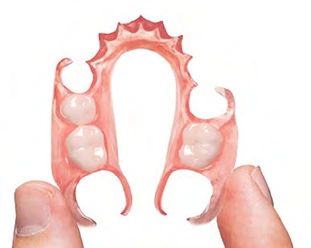
When a patient is missing teeth, two solutions come up most often: dental implants and dentures. Choosing between them is one of the biggest decisions a patient and their dentist will make together. Understanding the key differences helps everyone move forward with confidence.
The debate around implants vs dentures is not one-size-fits-all. Each option has real advantages depending on the patient’s health, bone structure, lifestyle, and long-term goals. Therefore, it helps to look at both options carefully before making a recommendation.
At Dentek Digital, we fabricate high-quality dental restorations for dentists and dental practices across the Greater Phoenix area — including communities like Mesa, Scottsdale, Chandler, and Gilbert. We work with advanced CAD/CAM technology to deliver precise, reliable results for both implant and removable restorations.
What Are Dental Implants?
Dental implants are titanium posts placed surgically into the jawbone. They act as artificial tooth roots. Over time, they fuse with the bone through a process called osseointegration.
Once healed, a custom crown or bridge is attached on top. The result looks and functions very much like a natural tooth. Additionally, implants help preserve the jawbone and maintain facial structure over time.
Types of Implant Restorations
Implants support several types of restorations. First, a single implant crown replaces one missing tooth. Next, implant-supported bridges replace multiple teeth without relying on neighboring natural teeth.
Furthermore, implant-supported overdentures offer a more stable alternative to traditional full dentures. These are sometimes called All-on-4 or All-on-X restorations. They are secured by implants and removed only by a dental professional.
What Are Dentures?
Dentures are removable appliances that replace missing teeth. They rest on the gum tissue and, in the case of full dentures, rely on suction and sometimes adhesive for retention. Meanwhile, partial dentures use clasps to anchor to remaining natural teeth.
Dentures have been a reliable solution for generations. They are non-surgical and typically more accessible for patients who cannot undergo implant surgery. However, they do require regular adjustments as the jawbone and gum tissue change over time.
Full vs Partial Dentures
Full dentures replace an entire arch of missing teeth. They are indicated when no natural teeth remain. On the other hand, partial dentures are used when some healthy teeth are still present.
Both types can be fabricated with great precision using modern digital workflows. At Dentek Digital, we use CAD/CAM technology to design and mill removable restorations with excellent fit and aesthetics. As a result, patients experience better comfort and fewer adjustments.
Implants vs Dentures: Key Differences
When comparing implants vs dentures, several factors stand out. These include stability, bone health, maintenance, and overall patient experience. Below is a closer look at each area.
Stability and Function
Implants are fixed in the bone. They do not slip or shift during eating or speaking. Therefore, patients often report a much higher level of confidence with implants.
Traditional dentures, however, can move during function. This is especially true for lower full dentures. Adhesives help, but they are not a permanent solution. Implant-supported overdentures address this limitation significantly.
Bone Preservation
One major advantage of implants is bone preservation. When a tooth is lost, the surrounding bone begins to resorb over time. Implants stimulate the bone just like natural tooth roots do.
Dentures do not prevent bone loss. In fact, they can accelerate it over time because of the pressure placed on the gum tissue. Because of this, patients with long-term dentures often experience significant changes in facial appearance.
Maintenance and Care
Implants are cared for much like natural teeth. Patients brush, floss, and attend regular cleanings. There are no special soaking solutions or adhesives required.
Dentures require daily removal and cleaning. They must be stored in water or solution overnight. Additionally, they need periodic relining or replacement as the mouth changes shape.
Timeline and Process
The implant process takes longer overall. Surgery is followed by a healing period before the final restoration is placed. For some patients, this can span several months.
Dentures, on the other hand, can often be delivered more quickly. Immediate dentures can even be placed the same day teeth are extracted. However, they will still require adjustments as healing progresses.
Who Is a Good Candidate for Implants?
Not every patient is a candidate for dental implants. Good candidates generally have adequate bone density to support the implant post. They should also be in good overall health and free of uncontrolled systemic conditions.
Additionally, patients who smoke or have certain medical histories may face higher risks. The treating dentist evaluates each case individually. In the Phoenix area, many dentists use digital implant planning tools to assess bone volume and plan placement precisely before surgery even begins.
Dentek Digital offers digital implant planning services to support dentists in Mesa, Scottsdale, Chandler, Gilbert, and beyond. This technology helps improve accuracy and predictability for the patient.
Who May Be Better Suited for Dentures?
Dentures are often the right choice for patients who cannot have surgery. This includes patients with certain health conditions, limited bone volume, or significant financial considerations. Moreover, dentures can serve as an excellent transitional solution while a patient prepares for implants.
Elderly patients or those with complex medical histories may also find dentures to be a safer, more practical option. The key is working with a skilled dentist who can assess the full clinical picture.
The Role of the Dental Lab in Your Restoration
Whether a patient chooses implants or dentures, the dental lab plays a critical role. The lab fabricates the restoration the patient will wear every day. Therefore, quality and precision matter enormously.
Dentek Digital was one of the earliest adopters of the CAD/CAM digital workflow in the country. We combine advanced technology with skilled craftsmanship. As a result, dentists across the Greater Phoenix area trust us to deliver restorations that fit well, look natural, and stand the test of time.
CAD/CAM Technology and Dental Restorations
CAD/CAM stands for Computer-Aided Design and Computer-Aided Manufacturing. This technology allows us to design restorations digitally and mill them from high-quality materials with exceptional accuracy. Furthermore, digital workflows reduce the margin for error compared to traditional methods.
For implant restorations, this means crowns and bridges that fit the implant precisely. For removable restorations, it means dentures designed with improved fit and comfort. Either way, the patient benefits from a higher standard of care.
TattooTH and Advanced Digital Services
Dentek Digital also offers TattooTH, an advanced service that adds personalized, custom details to dental restorations. Additionally, our digital implant planning service helps dentists map out implant placement with precision before surgery begins.
These services set our lab apart as a national leader in digital dentistry. We are proud to serve dental practices in Phoenix, Mesa, Tempe, Chandler, Scottsdale, and the surrounding communities.
Frequently Asked Questions: Implants vs Dentures
Are dental implants permanent?
Implants themselves are designed to be a long-term solution. The implant post, when properly placed and cared for, can last many years. However, the crown or restoration on top may need replacement over time due to normal wear.
Can dentures be upgraded to implants later?
Yes, in many cases. Patients who start with dentures can often transition to implant-supported restorations later. However, bone loss from long-term denture use may require a bone graft first. The treating dentist will evaluate this on a case-by-case basis.
Do implants look more natural than dentures?
Implant-supported crowns and bridges closely mimic natural teeth in both appearance and function. Modern dentures, especially those fabricated with digital technology, also look quite natural. The key is working with a high-quality dental lab that prioritizes aesthetics and fit.
How does the dental lab affect the quality of my restoration?
The dental lab fabricates every physical component of the restoration. A skilled lab using advanced technology produces better-fitting, better-looking restorations. Therefore, the lab your dentist partners with directly impacts your outcome.
What should dentists look for in a dental lab for implant restorations?
Dentists should look for a lab with proven expertise in digital workflows and implant prosthetics. Experience with CAD/CAM technology and digital implant planning is a strong indicator of quality. Additionally, a lab with a track record of consistent, precise results offers greater confidence for both the dentist and the patient.
Partner with Dentek Digital for Superior Restorations
Whether your patient needs an implant crown, a full arch restoration, or a precision-fit denture, Dentek Digital is ready to help. We serve dentists and dental practices across Phoenix, Mesa, Tempe, Chandler, Scottsdale, Gilbert, and beyond.
Our team combines the latest digital technology with deep clinical expertise. As a result, we consistently deliver restorations that meet the highest standards of quality and precision. Furthermore, we make it easy for dental practices to work with us from anywhere in the Greater Phoenix area.
Ready to elevate your restoration outcomes? Contact Dentek Digital today to send us a case or discuss your patient’s implant or denture needs with our team.