
When patients lose teeth, they face an important decision. The debate around implants vs dentures comes up every day in dental practices across the country — including right here in the Greater Phoenix, Arizona area. Understanding the difference helps dental professionals guide their patients toward the best possible outcome.
Both options restore smiles and improve quality of life. However, they work in very different ways. Each solution has clear advantages, and the right choice depends on the patient’s oral health, lifestyle, and long-term goals.
At Dentek Digital, we fabricate high-quality restorations for dentists across Phoenix, Mesa, Scottsdale, Chandler, and beyond. In this guide, we break down both options so dental professionals can make confident, informed recommendations.
What Are Dental Implants?
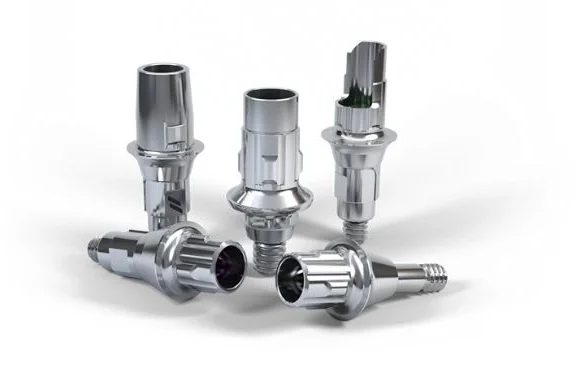
Dental implants are titanium posts that a dentist surgically places into the jawbone. They act as artificial tooth roots. Over time, the bone fuses around the post in a process called osseointegration.
Once the implant is stable, a dental lab fabricates a crown to attach on top. The result looks, feels, and functions like a natural tooth. Additionally, implants help preserve jawbone density over time.
Types of Implant Restorations
Implants are not one-size-fits-all. For example, a single missing tooth calls for a single-unit crown. Multiple missing teeth may be restored with an implant-supported bridge. Furthermore, patients missing all or most of their teeth may benefit from implant-supported overdentures or full-arch restorations.
At Dentek Digital, we use advanced CAD/CAM technology to design and mill implant crowns and restorations with precision. Because of this, the fit and aesthetics are consistently excellent. Dentists in Scottsdale and Tempe rely on our digital workflow for complex implant cases.
What Are Dentures?
Dentures are removable prosthetic devices that replace missing teeth. They rest on the gum tissue and, in some cases, are supported by remaining natural teeth. Dentures come in full and partial versions depending on how many teeth are missing.
Traditional dentures are one of the most well-known tooth replacement solutions. They are generally more accessible for patients who cannot undergo surgery. However, they do require adjustments over time as the jawbone changes shape.
Modern Digital Dentures
Today, denture fabrication has advanced significantly. Digital dentures use CAD/CAM design and milling to produce a more precise fit. As a result, patients experience greater comfort and fewer adjustments compared to conventional methods.
Dentek Digital fabricates removable prosthetics using a fully digital workflow. Therefore, dentists across Phoenix and the surrounding communities receive consistent, high-quality results. Digital dentures are a strong option for patients who are not candidates for implants.
Implants vs Dentures: Key Differences
It helps to compare these two solutions side by side. Moreover, understanding the key differences makes it easier to counsel patients effectively.
- Stability: Implants are fixed in the jaw and do not move. Dentures rely on fit and adhesives for stability.
- Bone Preservation: Implants stimulate the jawbone and help prevent bone loss. Dentures do not provide this benefit.
- Maintenance: Implant crowns are cleaned like natural teeth. Dentures must be removed and cleaned separately.
- Longevity: With proper care, implants can last for many years. Dentures typically need replacement or relining over time.
- Candidacy: Implants require adequate bone density and good overall health. Dentures are suitable for a wider range of patients.
- Surgical Requirement: Implants involve a surgical procedure. Dentures do not require surgery.
On the other hand, dentures offer a faster path to a restored smile. They involve no surgery and no healing period. For some patients, this makes dentures the preferred choice.
How CAD/CAM Technology Improves Both Options
Digital technology has transformed how dental labs fabricate restorations. Furthermore, it has raised the quality standard for both implant crowns and removable prosthetics.
CAD/CAM stands for computer-aided design and computer-aided manufacturing. In simple terms, a digital scan replaces traditional impressions. The lab then designs the restoration on screen and mills it from a high-quality material block.
Benefits of Digital Fabrication for Implant Restorations
Digital workflows produce implant crowns with highly accurate margins and occlusal fit. Additionally, turnaround times are faster. Dentists in Gilbert and Mesa appreciate the efficiency of our digital process.
Because of this, chairside adjustments are minimized. Patients experience a smoother delivery appointment. The result is a better experience for everyone involved.
Benefits of Digital Fabrication for Dentures
Digital dentures are designed with precise measurements and patient-specific anatomy. Therefore, the fit is more accurate from the start. Also, if a patient loses their denture, we can reprint or remill it using the original digital file.
This level of consistency is a major advantage. Moreover, it streamlines the process for busy dental practices across the Greater Phoenix area.
Factors That Influence the Decision
No two patients are alike. Therefore, several factors should guide the implant vs denture conversation during a consultation.
Bone Density and Oral Health
Implants require sufficient bone volume to integrate successfully. Patients who have experienced significant bone loss may need a bone graft first. In some cases, implants may not be appropriate at all. However, implant-supported overdentures can sometimes offer a middle ground.
Overall Health and Medical History
Certain health conditions affect a patient’s ability to heal from oral surgery. For example, uncontrolled diabetes or certain medications may impact candidacy. Additionally, age and immune function play a role in recovery.
Patient Lifestyle and Preferences
Some patients prefer the permanence of implants. Others prioritize avoiding surgery. Furthermore, lifestyle habits like smoking can affect implant success rates. A thorough patient history helps guide this discussion.
Timeline Expectations
Implants require time for osseointegration — often several months. Dentures can be delivered much more quickly. Because of this, some patients choose dentures as an immediate solution while planning for implants later.
Supporting Patients in the Greater Phoenix Area
Dental practices across Chandler, Tempe, Scottsdale, and Phoenix serve diverse patient populations. Therefore, dental professionals need flexible lab partners who can handle both implant and removable cases with equal precision.
Dentek Digital is proud to support dentists throughout the region. We combine cutting-edge CAD/CAM technology with skilled craftsmanship. As a result, our restorations meet the highest standards of fit, function, and aesthetics.
Whether your practice focuses on implant dentistry, removable prosthetics, or a mix of both, we have the tools and experience to support your workflow. We also offer advanced services like digital implant planning to help you deliver better outcomes for your patients.
Frequently Asked Questions: Implants vs Dentures
Which lasts longer — implants or dentures?
Implants generally have a longer lifespan with proper maintenance. Dentures typically need relining or replacement after several years due to changes in the jawbone and gum tissue.
Can a patient switch from dentures to implants later?
In many cases, yes. However, bone loss from long-term denture use may require a bone graft before implant placement. A thorough evaluation is necessary first.
Are implant-supported dentures a good middle ground?
Yes. Implant-supported overdentures offer improved stability over traditional dentures. Additionally, they help slow bone resorption. They are a popular option for patients who want more retention without a full implant restoration.
How does a digital lab improve the implant or denture process?
A digital lab like Dentek Digital uses CAD/CAM technology to produce more accurate restorations. Furthermore, digital files allow for faster turnaround and easier case remakes if needed.
What should a dentist consider when choosing a lab for these cases?
Look for a lab with experience in both implant and removable prosthetics. Also, consider their digital workflow capabilities and communication process. A reliable lab partner makes a significant difference in case outcomes.
Partner with Dentek Digital for Implant and Removable Cases
The implants vs dentures conversation is one of the most important discussions in restorative dentistry. Therefore, dental professionals need a lab partner who understands both solutions deeply.
Dentek Digital has been a national leader in digital dentistry since the early days of the CAD/CAM revolution. We fabricate premium restorations for dental practices across Phoenix, Mesa, Scottsdale, Chandler, Tempe, and Gilbert. Our team brings both advanced technology and hands-on craftsmanship to every case.
If you are ready to elevate your implant or removable cases, we are here to help. Contact Dentek Digital today to send us a case and experience the difference a truly digital lab can make for your practice and your patients.