
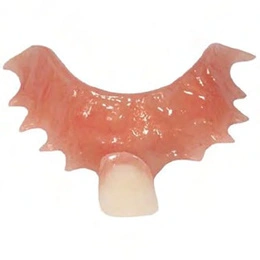
When patients lose one or more teeth, they face an important decision. The choice between implants vs dentures can shape their comfort, confidence, and long-term oral health. Understanding both options helps dentists guide their patients toward the right solution.
At Dentek Digital, we work with dental practices across the Greater Phoenix area to fabricate high-quality restorations. We support dentists in Mesa, Tempe, Chandler, and Scottsdale with precision dental lab solutions every day. Our digital CAD/CAM workflow allows us to deliver results that are accurate, reliable, and built to last.
This guide breaks down the key differences between dental implants and dentures. It also explains how modern digital dentistry is changing what patients can expect from both options.
What Are Dental Implants?
Dental implants are titanium posts that a dentist surgically places into the jawbone. They act as artificial tooth roots. Over time, the bone fuses around the post in a process called osseointegration.
Once healed, the implant supports a crown, bridge, or implant-retained denture. The result closely mimics the look and function of a natural tooth. Many patients describe implants as the closest thing to having their real teeth back.
Types of Implant Restorations
Implants support several types of restorations. Each one serves a different clinical need.
- Single-unit implant crown: Replaces one missing tooth with a custom-fabricated crown.
- Implant-supported bridge: Spans a gap of multiple missing teeth using implant anchors.
- Implant-retained denture: Snaps onto implants for a more secure, stable removable option.
- Full-arch fixed restoration: Provides a complete arch of teeth supported entirely by implants.
At Dentek Digital, we fabricate all of these restoration types using advanced CAD/CAM technology. Our digital workflow ensures every restoration fits with exceptional accuracy.
What Are Dentures?
Dentures are removable appliances that replace missing teeth. They rest on the gum tissue and rely on natural suction or adhesives to stay in place. Traditional dentures have been used for generations and remain a widely chosen option.
However, modern dentures have improved dramatically. Digital dentistry has transformed how dental labs design and fabricate them. Today’s dentures fit more precisely and look far more natural than older versions.
Types of Dentures
Dentures come in several forms depending on the patient’s needs.
- Full dentures: Replace an entire arch of missing teeth, either upper or lower.
- Partial dentures: Fill gaps when some natural teeth remain.
- Immediate dentures: Placed the same day as extractions for temporary coverage.
- Implant-retained dentures: Combine implant stability with removable convenience.
For practices in Gilbert and Chandler, Dentek Digital provides digitally fabricated dentures that deliver consistent, high-quality results. Our team uses CAD/CAM design to maximize fit and aesthetics for every patient case.
Implants vs Dentures: Key Differences
Choosing between implants and dentures involves weighing several important factors. Both options have real advantages. The best choice depends on the patient’s health, anatomy, and lifestyle.
Stability and Function
Implants are fixed in the jaw. Therefore, they do not shift or slip during eating or speaking. Patients typically regain close to natural biting function with implants.
Dentures, on the other hand, can move slightly during use. Traditional dentures may require adhesives for added security. However, implant-retained dentures offer significantly improved stability compared to conventional versions.
Bone Health
One of the most important long-term differences involves the jawbone. When teeth are lost, the bone underneath begins to resorb over time. Implants stimulate the bone just like natural tooth roots do. As a result, they help preserve bone volume and facial structure.
Traditional dentures do not stimulate the bone. Over the years, bone loss can cause dentures to fit less securely. Additionally, changes in bone shape can alter a patient’s facial appearance over time.
Maintenance and Care
Implants are cared for much like natural teeth. Patients brush, floss, and visit their dentist regularly. Furthermore, implant restorations do not require removal for cleaning.
Dentures require daily removal and cleaning. Patients must soak them overnight and handle them carefully to avoid damage. Meanwhile, the gums and any remaining natural teeth still require routine care.
Treatment Timeline
Implant treatment takes longer from start to finish. The surgical phase and healing period can span several months before the final restoration is placed. However, the long-term outcome is often worth the investment in time.
Dentures, by contrast, can be fabricated and delivered relatively quickly. For patients who need tooth replacement sooner, dentures offer a faster path to a functional smile.
Patient Candidacy
Not every patient is an ideal candidate for implants. Sufficient bone volume and overall health are important factors. Dentists across Scottsdale and Mesa often work with patients who may need bone grafting before implant placement is possible.
Dentures are generally accessible to a wider range of patients. They do not require surgery and work well for patients who cannot or choose not to undergo implant procedures.
How Digital Dentistry Is Changing Both Options
Digital dentistry has transformed the way dental labs fabricate both implants and dentures. At Dentek Digital, we use advanced CAD/CAM technology to design and mill restorations with exceptional precision.
Traditional fabrication relied heavily on manual processes. Today, digital scanning, design software, and computer-guided milling produce restorations that fit more accurately and look more natural. This benefits both patients and the dental practices treating them.
CAD/CAM Implant Restorations
For implant cases, digital workflows allow for detailed planning before any surgery takes place. Dentek Digital also offers digital implant planning services to support dentists in achieving predictable, accurate outcomes. Our team collaborates closely with practices to ensure every case is planned thoroughly.
Once the implant has integrated, our lab fabricates the crown or bridge using digital impressions and CAD/CAM milling. The result is a restoration that fits precisely and functions naturally.
Digital Dentures
Digital dentures represent a major advancement over conventional fabrication methods. Using digital scans and CAD/CAM design, our lab can produce dentures with improved accuracy and consistency.
Additionally, digital records allow us to reproduce a denture quickly if it is lost or damaged. For patients across the Greater Phoenix area, this offers a meaningful practical advantage over traditionally fabricated options.
What Dentists Should Consider When Recommending Options
Every patient case is unique. Dentists play a critical role in guiding patients through the decision-making process. There are several practical factors worth evaluating carefully.
- Bone density and volume: Evaluate with imaging to determine implant candidacy.
- Overall health: Certain medical conditions can affect healing and implant success.
- Patient expectations: Align the patient’s goals with realistic outcomes for each option.
- Budget and timeline: Consider both short-term and long-term costs and timeframes.
- Lifestyle factors: Active patients often prefer the security and convenience of implants.
When you partner with Dentek Digital, our experienced team helps you navigate complex cases with confidence. We bring deep expertise in both implant restorations and removable prosthetics to every case we receive.
Frequently Asked Questions: Implants vs Dentures
How long do dental implants last compared to dentures?
Implants are designed to last many years with proper care. The implant post itself can remain functional for decades. Dentures, however, typically require relining or replacement over time as the jaw changes shape.
Can a patient switch from dentures to implants later?
In many cases, yes. However, bone loss from long-term denture use may require grafting first. A dentist should evaluate the patient’s bone volume before recommending a transition to implants.
Are implant-retained dentures a good middle-ground option?
They can be an excellent solution. Implant-retained dentures offer greater stability than traditional dentures while remaining removable. They also stimulate the bone through the implant posts, which helps preserve jaw structure over time.
How does a dental lab support implant cases?
A skilled dental lab like Dentek Digital fabricates the crowns, bridges, and full-arch restorations that complete implant cases. We use digital workflows to ensure precise fit and natural aesthetics. Our team also offers digital implant planning to support the surgical phase.
What materials are used for implant crowns and dentures?
Modern dental labs use a range of high-quality materials. Zirconia and lithium disilicate are common choices for implant crowns because of their strength and appearance. Digital dentures are often fabricated from high-performance acrylic resins designed for durability and aesthetics.
Partner with Dentek Digital for Implant and Denture Cases
Whether your patient needs a single implant crown or a full set of digitally fabricated dentures, Dentek Digital is here to support you. We serve dental practices throughout the Greater Phoenix area, including Mesa, Tempe, Chandler, Gilbert, and Scottsdale.
Our team combines advanced CAD/CAM technology with skilled craftsmanship. We are recognized as a national leader in digital dentistry, and we bring that expertise to every case we handle. You can count on us for consistent quality, reliable turnaround, and responsive collaboration.
Ready to elevate your implant and restorative cases? Contact Dentek Digital today to send us a case or discuss your next restoration project with our team.