
Choosing between implants vs dentures is one of the most important decisions a patient can make for their long-term oral health. Both options restore missing teeth. However, they work very differently and suit different needs.
At Dentek Digital, we fabricate high-quality dental restorations using advanced CAD/CAM technology. We partner with dentists and dental practices across the Greater Phoenix area, including Mesa, Tempe, Chandler, and Scottsdale. Our goal is to support better patient outcomes through precise, reliable restorations.
This guide breaks down the key differences between dental implants and dentures. It will help dental professionals better educate their patients and choose the right restoration path.
What Are Dental Implants?
Dental implants are surgically placed titanium posts. They anchor directly into the jawbone. Over time, the bone fuses with the post in a process called osseointegration.
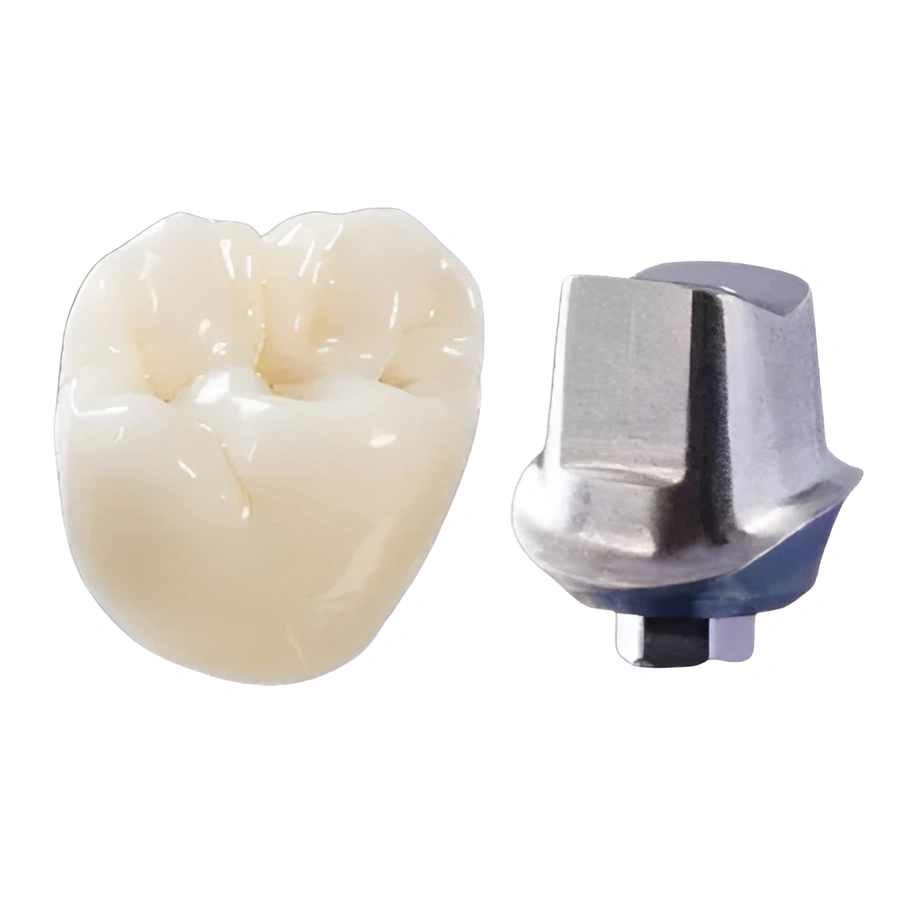
Once the implant integrates, a dental crown or bridge is placed on top. This creates a restoration that looks, feels, and functions like a natural tooth. Additionally, implants help preserve jawbone density over time.
Types of Implant Restorations
Implants support several types of restorations. Each serves a different clinical need. Here are the most common options:
- Single-tooth implant crown: Replaces one missing tooth with a custom-fabricated crown.
- Implant-supported bridge: Spans multiple missing teeth using implants as anchors.
- Implant-supported overdenture: A removable denture that snaps onto implant posts for added stability.
- Full-arch fixed restoration: A permanent, non-removable arch supported by multiple implants.
At Dentek Digital, we use digital implant planning and CAD/CAM workflows to fabricate precise implant restorations. Therefore, our lab partners in Phoenix, Chandler, and beyond can deliver consistent, high-quality results.
What Are Dentures?
Dentures are removable appliances that replace missing teeth. They rest on the gum tissue and, in some cases, attach to remaining natural teeth. Dentures have been a trusted tooth replacement solution for generations.
Modern dentures have evolved significantly. Today, digital fabrication techniques allow labs like Dentek Digital to produce dentures with improved fit, aesthetics, and durability. As a result, patients in Mesa, Scottsdale, and across the Greater Phoenix area benefit from better outcomes.
Types of Dentures
There are several types of dentures available. The right choice depends on how many teeth are missing and the patient’s overall oral health. Common options include:
- Full dentures: Replace all teeth in one or both arches.
- Partial dentures: Fill in gaps when some natural teeth remain.
- Immediate dentures: Placed the same day as tooth extraction.
- Implant-supported overdentures: Combine the removability of dentures with implant stability.
Dentek Digital fabricates removable prosthetics using advanced digital workflows. Furthermore, our skilled technicians combine technology with craftsmanship for exceptional results every time.
Implants vs Dentures: Key Differences
Understanding the differences between implants and dentures helps both dentists and patients make informed decisions. Below, we compare the two options across several important factors.
Stability and Function
Dental implants offer superior stability. They are fixed in the bone and do not shift during eating or speaking. On the other hand, traditional dentures can move or slip, especially over time as the jawbone changes shape.
Implant-supported dentures offer a middle ground. They snap onto implant posts for added retention. However, they are still removable for cleaning.
Bone Health
This is one of the most significant differences. Dental implants stimulate the jawbone just like natural tooth roots. Because of this, they help prevent the bone loss that typically follows tooth extraction.
Traditional dentures, meanwhile, do not stimulate bone. Over time, the jawbone may resorb. This can change facial structure and affect denture fit.
Maintenance and Care
Implants are cared for like natural teeth. Patients brush and floss normally. Additionally, regular dental checkups keep the surrounding tissue healthy.
Dentures require removal for cleaning. They should be soaked overnight and brushed with a soft brush. Moreover, patients should visit their dentist regularly to check fit and make adjustments as needed.
Treatment Timeline
Implant treatment takes longer. The osseointegration process alone can take several months. Therefore, patients need to plan accordingly.
Dentures, in contrast, can often be placed more quickly. Immediate dentures, for example, can be delivered on the same day as extractions. This makes them a faster option for some patients.
Longevity
With proper care, dental implants can last many years — even a lifetime in many cases. The crown on top may need replacement over time, but the implant itself is highly durable.
Dentures typically need relining or replacement every several years. This is because the jawbone and gum tissue change over time. However, digital dentures fabricated with precision technology can maintain better fit longer.
How CAD/CAM Technology Improves Both Options
At Dentek Digital, we were among the earliest adopters of digital CAD/CAM workflows in the country. This technology has transformed how dental restorations are designed and fabricated.
For implant restorations, digital workflows allow for incredibly precise crown and abutment design. As a result, fit and function are optimized. For dentures, CAD/CAM fabrication reduces human error and improves consistency.
Dentists across Tempe, Gilbert, and the broader Greater Phoenix area trust Dentek Digital because of our commitment to digital precision. Our restorations meet the highest standards in the industry. Additionally, our digital implant planning service gives clinicians a powerful tool for treatment planning.
Explore your options: contact Dentek Digital to learn how our digital workflows can support your implant or removable cases.
Which Option Is Right for Your Patient?
There is no single answer that fits every patient. The best choice depends on several clinical and personal factors. Here are some key considerations:
- Bone density: Implants require adequate bone volume. Patients with significant bone loss may need grafting first.
- Overall health: Certain medical conditions may affect implant candidacy. Dentures may be more appropriate in some cases.
- Budget and timeline: Dentures are often a faster, more accessible option. Implants involve a longer commitment.
- Patient preference: Some patients strongly prefer the permanence of implants. Others are comfortable with removable prosthetics.
- Number of missing teeth: Full-arch cases may call for implant-supported overdentures or full-arch fixed restorations rather than single implants.
Therefore, a thorough clinical evaluation is essential before recommending either option. As your digital lab partner, Dentek Digital supports dentists in making the best restorative decisions for their patients.
Digital Implant Planning at Dentek Digital
One of our most advanced services is digital implant planning. This process uses 3D imaging and software to virtually plan implant placement before surgery. As a result, surgeons achieve greater accuracy and predictability.
Digital planning also allows for the fabrication of surgical guides. These guides help ensure implants are placed in the optimal position. Furthermore, guided surgery often reduces chair time and improves patient comfort.
Dental practices in Phoenix, Scottsdale, Chandler, and Mesa are already leveraging this technology. Moreover, our team is ready to assist with every step of the implant workflow — from planning to final restoration delivery.
Frequently Asked Questions: Implants vs Dentures
Are dental implants always better than dentures?
Not necessarily. Implants offer significant advantages in stability and bone preservation. However, dentures remain a valid and effective option for many patients. The best choice depends on each patient’s specific clinical situation.
Can dentures be converted to implant-supported prosthetics later?
In many cases, yes. Implant-supported overdentures are a popular upgrade path for existing denture wearers. Additionally, full-arch fixed restorations are another option for eligible patients who want a more permanent solution.
How does CAD/CAM technology improve implant restorations?
CAD/CAM technology allows for highly precise crown and abutment design. As a result, restorations fit better and function more naturally. Digital workflows also reduce turnaround times for dental practices.
How long does it take to get dental implants?
The full implant process can take several months. This includes time for osseointegration. However, digital implant planning and guided surgery can streamline the process significantly.
What types of implant restorations does Dentek Digital fabricate?
We fabricate single-tooth implant crowns, implant-supported bridges, implant overdentures, and full-arch fixed restorations. Furthermore, we offer digital implant planning as an advanced service for our dental partners.
Partner with Dentek Digital for Your Implant and Removable Cases
Whether your patient is a candidate for implants, dentures, or a combination of both, Dentek Digital is ready to support your practice. We are a national leader in digital dentistry based in Phoenix, Arizona. Our lab combines rapidly evolving CAD/CAM technology with skilled craftsmanship.
We serve dentists and dental practices across the Greater Phoenix area, including Mesa, Tempe, Chandler, Gilbert, and Scottsdale. Our full suite of services includes fixed restorations, removables, splints and nightguards, and dental implants. Additionally, we offer TattooTH and digital implant planning for advanced cases.
Send us a case today and experience the Dentek Digital difference. Our team is here to help you deliver the best possible outcomes for your patients — every time.