
Choosing between dental implants and dentures is one of the most important decisions a patient can make. The choice affects daily comfort, confidence, and long-term oral health. Understanding implants vs dentures helps both patients and dental professionals make informed, personalized decisions.
At Dentek Digital, we partner with dentists across the Greater Phoenix area to fabricate high-quality dental restorations. Our digital CAD/CAM workflow helps dental practices deliver precise, reliable results for every patient case. We understand that the right restoration solution makes all the difference.
This guide breaks down the key differences between dental implants and dentures. Whether you are a dental professional or a patient doing research, you will find clear, practical information here. Let’s explore what each option offers.
What Are Dental Implants?
Dental implants are titanium posts surgically placed into the jawbone. They act as artificial tooth roots. Over time, the bone fuses with the implant in a process called osseointegration.
Once the implant integrates, a dental crown is placed on top. This crown is fabricated to match the patient’s natural teeth. The result looks and functions like a real tooth.
How CAD/CAM Technology Improves Implant Restorations
Modern dental labs use CAD/CAM technology to design and mill implant crowns with exceptional precision. At Dentek Digital, we use advanced digital workflows to fabricate implant restorations for dentists across Phoenix, Mesa, Scottsdale, and Tempe. This technology reduces errors and improves fit significantly.
Additionally, digital implant planning allows the dental team to map the procedure before surgery. This makes the entire process more predictable. As a result, both the dentist and patient benefit from better outcomes.
Furthermore, our TattooTH service and digital implant planning tools give dental practices a competitive edge. These advanced options support more complex implant cases. They also improve communication between the lab and the dental office.
What Are Dentures?
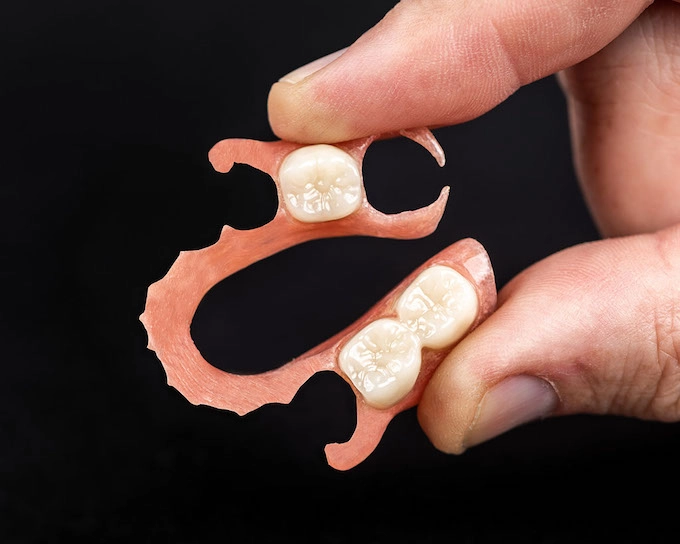
Dentures are removable appliances that replace missing teeth. They come in two main types: full dentures and partial dentures. Full dentures replace all teeth in an arch, while partial dentures fill gaps between remaining natural teeth.
Traditional dentures rest on the gums. They rely on suction, adhesives, or clasps to stay in place. However, they can shift during eating or speaking, which many patients find uncomfortable.
Modern Removable Dentures and Digital Fabrication
Today, digital technology has transformed how removable dentures are made. Digital dentures are designed using CAD software and milled or printed with precision. This approach improves fit, aesthetics, and durability compared to traditional methods.
At Dentek Digital, our removables are fabricated using advanced digital workflows. We serve dental practices throughout the Greater Phoenix area, including Chandler, Gilbert, Scottsdale, and Mesa. Our goal is always to deliver restorations that fit well and look natural.
Moreover, digital dentures allow for faster turnaround times. This means dental practices can serve patients more efficiently. In addition, digital records make it easier to reproduce a denture if it is lost or damaged.
Implants vs Dentures: Key Differences
When comparing implants vs dentures, several key factors stand out. Understanding these differences helps both dentists and patients choose the right path. Below is a clear breakdown of the most important considerations.
Stability and Comfort
Dental implants are fixed in the jawbone. Therefore, they do not shift or slip during use. Patients often report that implants feel the most natural.
Dentures, on the other hand, can move during eating or speaking. However, implant-supported dentures offer a middle-ground solution. They snap onto implants for added stability while remaining removable.
Bone Health
One major advantage of implants is bone preservation. The titanium post stimulates the jawbone, which prevents bone loss over time. This is a critical long-term health benefit.
Traditional dentures do not stimulate the bone. As a result, bone loss can occur gradually beneath the denture. This may cause the denture to fit poorly over time and change the patient’s facial appearance.
Maintenance and Care
Implants are cared for just like natural teeth. Patients brush, floss, and visit their dentist regularly. There are no special removal routines required.
Dentures require daily removal and cleaning. Special solutions and brushes are needed to keep them sanitary. Additionally, they should be soaked overnight to maintain their shape.
Longevity
With proper care, dental implants can last for many years or even decades. The crown on top may eventually need replacement, but the implant post itself is very durable. This makes implants a strong long-term investment.
Dentures typically require relining or replacement over time as the gum and bone change. However, modern digital dentures tend to be more durable than older versions. They also maintain their appearance longer because of advanced materials.
Treatment Timeline
Implant treatment takes longer from start to finish. The healing phase after implant placement can take several months. However, the wait is often worth it for the long-term results.
Dentures, on the other hand, can often be delivered more quickly. For patients who need immediate tooth replacement, dentures may be the faster option. Immediate or temporary dentures can also be placed right after extractions.
Which Option Is Right for the Patient?
There is no single right answer for every patient. The best choice depends on overall health, bone density, budget, and personal preference. Dentists play a crucial role in evaluating each case individually.
Implants are often recommended for patients with good bone density and overall health. They work well when only one or a few teeth need replacement. Additionally, they are a strong option for patients who want the most natural-feeling result.
Dentures may be better suited for patients who need full arch replacement. They are also a practical choice when surgery is not possible. Furthermore, implant-supported dentures offer an excellent hybrid solution for many patients.
Explore your options and discuss restoration possibilities with your dental team. A digital dental lab like Dentek Digital can support your practice with precise, custom-fabricated solutions for every patient scenario.
How Dentek Digital Supports Dental Practices
Dentek Digital is a recognized leader in digital dentistry based in Phoenix, Arizona. We were one of the earliest adopters of the CAD/CAM workflow in the country. Our lab fabricates some of the highest quality dental restorations available today.
We offer a full range of solutions for dental practices, including fixed restorations, removables, splints, nightguards, and dental implants. We also provide advanced services like TattooTH and digital implant planning. These tools help dental professionals deliver better outcomes for their patients.
Our team works closely with dentists throughout Greater Phoenix. This includes practices in Mesa, Tempe, Chandler, and Scottsdale. We combine digital technology with skilled craftsmanship to deliver precise results every time.
Ready to elevate your practice’s restoration quality? Contact Dentek Digital today and let our team support your next implant or denture case.
Frequently Asked Questions: Implants vs Dentures
Are dental implants better than dentures?
Implants offer superior stability, bone preservation, and a natural feel. However, dentures are a valid option for many patients, especially when surgery is not recommended. The best choice depends on the individual patient’s needs and health status.
Can dentures be upgraded to implants later?
In many cases, yes. Patients who start with dentures can sometimes transition to implant-supported dentures later. However, adequate bone density is required. A dental professional must evaluate the patient’s jaw health before proceeding.
How does a digital dental lab improve implant restorations?
A digital lab uses CAD/CAM technology to design and fabricate crowns with high precision. This reduces errors and improves fit compared to traditional methods. Additionally, digital workflows allow for faster turnaround without sacrificing quality.
What are implant-supported dentures?
Implant-supported dentures combine the stability of implants with the coverage of full dentures. Small implants anchor the denture in place. This prevents slipping and improves chewing function significantly.
How long does it take to get dental implants?
The timeline varies by patient and case complexity. Generally, the process takes several months from placement to final restoration. The healing phase is the longest part, but it is essential for long-term success.
Final Thoughts and Next Steps
Comparing implants vs dentures is not always straightforward. Both options have clear benefits and specific use cases. The most important step is working with a knowledgeable dental team to find the right solution for each patient.
Digital dentistry continues to transform what is possible in restorative care. Advanced fabrication methods and precise digital workflows lead to better-fitting, longer-lasting restorations. At Dentek Digital, we are proud to be at the forefront of this evolution.
If you are a dental professional in the Greater Phoenix area looking for a trusted digital lab partner, we are here to help. Our team is ready to support your practice with high-quality, precision-fabricated restorations for implant and denture cases alike. Send us a case and experience the Dentek Digital difference today.