
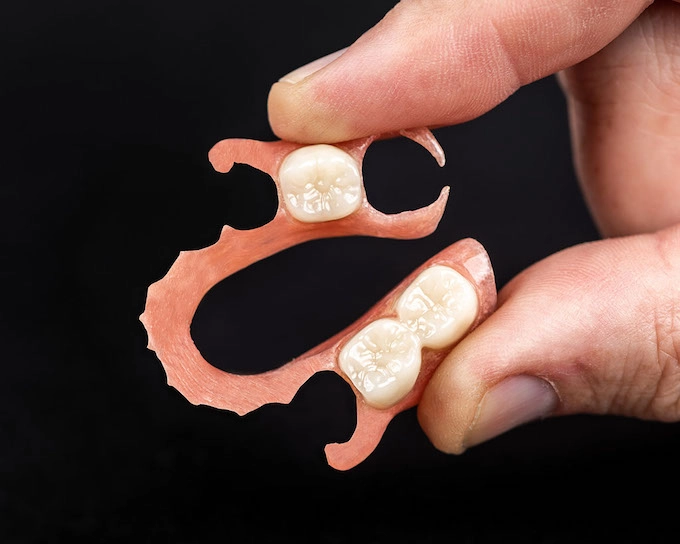
When patients face significant tooth loss, they often ask one big question: implants vs dentures — which is the better choice? It is one of the most common conversations happening in dental offices across the country. Understanding the key differences helps dentists guide their patients toward the right solution.
At Dentek Digital, we work with dental practices throughout the Greater Phoenix, Arizona area. We fabricate high-quality restorations using advanced CAD/CAM technology. From Mesa to Chandler, Tempe to Scottsdale, our lab supports dentists who want precise, reliable results for their patients.
This guide breaks down both options clearly. We will cover how each restoration works, what the fabrication process looks like, and how digital dentistry is changing what is possible for patients today.
Understanding the Two Main Options
Before comparing them, it helps to understand what each restoration actually is. Both implants and dentures replace missing teeth. However, they work in very different ways and serve different patient needs.
What Are Dental Implants?
Dental implants are titanium posts placed directly into the jawbone. They act as artificial tooth roots. After the implant integrates with the bone, a crown or bridge is attached on top.
Implants are a fixed restoration. Patients cannot remove them at home. They function much like natural teeth and provide strong, stable biting force.
What Are Dentures?
Dentures are removable appliances that replace missing teeth. Traditional dentures rest on the gum tissue and are held in place by suction or adhesive. Partial dentures attach to remaining natural teeth using clasps or precision attachments.
Modern dentures have improved significantly. Additionally, digital fabrication has made today’s dentures more accurate and better fitting than ever before.
How CAD/CAM Technology Changes Both Options
Digital dentistry has transformed how dental labs fabricate both implant restorations and dentures. At Dentek Digital, we use CAD/CAM workflows to design and mill restorations with exceptional precision. This technology benefits both treatment paths.
Digital Implant Restorations
For implant cases, we use digital scans to design crowns, bridges, and implant-supported prosthetics. The result is a highly accurate fit and a natural appearance. Because of this, dentists in the Phoenix area and beyond are choosing digital workflows more often.
We also offer advanced digital implant planning services. This helps dental practices plan cases with greater confidence before treatment even begins. It streamlines the process and reduces chairtime for patients.
Digital Dentures
Digital dentures are fabricated using CAD/CAM milling or 3D printing technology. They offer several advantages over traditional denture fabrication. For example, the fit tends to be more precise, and the workflow allows for easier duplication if a denture is lost or damaged.
Furthermore, digital records mean we can reproduce the same denture without starting from scratch. This is a significant advantage for patients and practices alike.
Comparing Implants vs Dentures: Key Factors
There is no single right answer for every patient. However, comparing key factors can help dentists have more productive conversations with their patients. Below are the most important considerations.
Stability and Function
Implants offer superior stability. They are anchored in the bone and do not shift during eating or speaking. Therefore, patients often report feeling more confident in daily life.
Dentures can move, especially as the jawbone changes shape over time. However, implant-supported dentures — also called overdentures — combine both solutions. They snap onto implants for much greater stability than traditional dentures.
Bone Health
One important factor is how each option affects the jawbone. Implants stimulate the bone just like natural tooth roots. As a result, they help prevent the bone loss that typically follows tooth loss.
Traditional dentures do not provide this stimulation. Over time, the bone beneath a denture can resorb, or shrink. This changes the fit of the denture and can alter the patient’s facial appearance.
Maintenance and Care
Implants are maintained much like natural teeth. Patients brush, floss, and visit their dentist regularly. There is no special soaking or adhesive required.
Dentures require daily removal and cleaning. Additionally, patients may need to use adhesive to keep them in place. Periodic relining is also necessary as the gum tissue changes over time.
Treatment Timeline
Implant treatment takes longer from start to finish. The implant must integrate with the bone before the final restoration is placed. This process typically spans several months.
Dentures can be delivered more quickly. In some cases, immediate dentures are placed the same day teeth are removed. Meanwhile, the healing process continues beneath the appliance.
Patient Candidacy
Not every patient is a candidate for implants. Adequate bone volume is necessary to support the titanium post. Patients with significant bone loss may require grafting before implant placement.
On the other hand, most patients are candidates for dentures. They are often a good solution for patients who cannot undergo surgery or who prefer a non-surgical option.
Implant-Supported Dentures: A Hybrid Solution
Many dentists in the Greater Phoenix area are seeing strong interest in implant-supported dentures. This option bridges the gap between traditional dentures and full implant restorations. It offers the affordability of a denture with significantly improved stability.
At Dentek Digital, we fabricate precision overdentures designed to snap securely onto implant attachments. The fit is accurate, the appearance is natural, and the function is greatly improved. Moreover, this option often makes a meaningful difference in patient satisfaction.
Practices in communities like Gilbert and Tempe have found that offering this hybrid option expands their treatment offerings. It allows them to serve a wider range of patients with tooth loss.
The Role of the Dental Lab in Both Solutions
The quality of the final restoration depends heavily on the dental lab. A precise, well-crafted restoration fits better, lasts longer, and looks more natural. This is true whether you are delivering an implant crown or a full denture.
Dentek Digital is recognized as a national leader in digital dentistry. We were one of the earliest adopters of the CAD/CAM workflow in the country. Our skilled technicians combine advanced technology with experienced craftsmanship to deliver restorations that dental practices and their patients can trust.
We serve dentists across the Phoenix area, including practices in Mesa, Chandler, Scottsdale, and Gilbert. Our goal is to be a true partner in your success — not just a vendor.
Ready to streamline your next implant or denture case? Contact Dentek Digital and let our team support your practice with precision digital restorations.
Tips for Dentists Presenting Both Options
Helping patients choose between implants and dentures requires clear communication. Here are a few practical tips for dental practices navigating this conversation.
- Use visual aids. Digital images and case photos help patients understand what each restoration looks like and how it functions.
- Discuss long-term outcomes. Patients often focus on upfront factors. Help them think about how each option performs over many years.
- Address lifestyle factors. A patient who is very active may prioritize stability. A patient who prefers a simpler process may lean toward dentures.
- Explain the bone health factor. Many patients are unaware of how tooth loss affects the jaw over time. This information often shapes their decision.
- Offer the hybrid option. Introducing implant-supported dentures early in the conversation gives patients a middle ground to consider.
Frequently Asked Questions
Can a patient switch from dentures to implants later?
Yes, in many cases. However, the dentist must first assess the patient’s bone volume. Significant bone loss may require grafting before implants can be placed. Early planning helps preserve more options.
How long do implant restorations last compared to dentures?
Implants can last many years with proper care. Dentures typically need relining or replacement after several years as the gum tissue changes. The quality of the lab-fabricated restoration also plays a significant role in longevity.
Are digital dentures better than traditional dentures?
Digital dentures offer several advantages. The fit is generally more precise, the workflow is more efficient, and digital records allow for easier duplication. Many practices in the Phoenix area are making the switch to digital fabrication.
What is an overdenture?
An overdenture is a removable denture that attaches to dental implants. It snaps into place using special attachments. This provides much more stability than a traditional denture that rests on the gum tissue alone.
How does a dental lab support implant cases?
The dental lab fabricates the final restoration — the crown, bridge, or prosthetic that attaches to the implant. A skilled lab using digital CAD/CAM workflows delivers better accuracy and fit. At Dentek Digital, we also offer digital implant planning to support the entire process.
Partner with Dentek Digital for Your Next Case
Whether your patient needs a single implant crown, a full arch restoration, or a precision denture, the quality of the lab work matters. At Dentek Digital, we bring advanced CAD/CAM technology and skilled craftsmanship to every case we fabricate.
We proudly serve dental practices across the Greater Phoenix area, including Mesa, Tempe, Chandler, Scottsdale, and Gilbert. Our team is committed to helping you deliver outstanding outcomes for your patients.
Explore your options and take the next step toward a stronger lab partnership today. Reach out to our team to discuss your next implant or denture case — we are ready to help.