
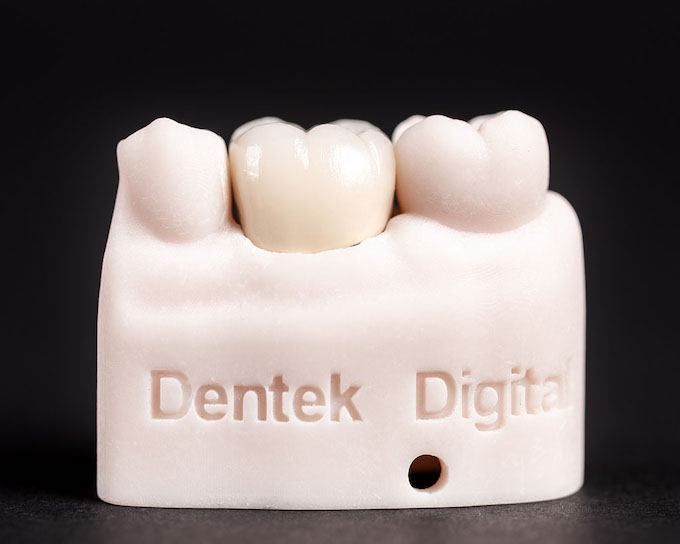
Understanding dental implants cost is one of the first steps patients take when considering tooth replacement. Whether you are a dentist in Gardnerville, NV or a patient researching options, pricing can feel confusing. There are many variables involved, and no two cases are exactly alike.
However, one factor that significantly influences the final result is the quality of the dental lab fabricating the restoration. At Dentek Digital, we partner with dental professionals to deliver precise, high-quality implant restorations using advanced CAD/CAM technology.
In this guide, we break down what drives dental implant costs, what dentists should look for in a lab partner, and how digital dentistry is raising the standard of care across the country.
What Affects Dental Implant Costs?
Dental implant pricing is not one-size-fits-all. Several clinical and lab-related factors shape the overall cost of treatment. Therefore, it helps to understand each component before making decisions.
The Implant Components Involved
A full implant restoration typically includes the implant fixture, the abutment, and the crown. Each component adds to the overall cost. Additionally, the materials selected for the crown — such as zirconia or PFM — affect both price and aesthetics.
For example, full-arch solutions like implant-supported bridges involve more components. As a result, they carry a higher price point than a single-tooth implant. Each case requires careful planning and customized fabrication.
Surgical and Clinical Fees
The surgical portion of implant placement is handled by the treating dentist or specialist. This includes the cost of the implant fixture placement, bone grafting if needed, and any preparatory procedures. These clinical fees vary widely based on the provider and the complexity of the case.
Meanwhile, the lab fabrication fees cover the design and milling of the final restoration. Both sides of the equation contribute to what the patient ultimately pays.
Case Complexity
Simple single-tooth cases are generally more straightforward to price. On the other hand, full-arch restorations, implant-retained dentures, or cases requiring significant bone support involve more planning and more sophisticated lab work. Furthermore, digital implant planning tools can help streamline complex cases and reduce the risk of costly revisions.
The Role of the Dental Lab in Implant Costs
Many dentists focus heavily on the surgical side of implant costs. However, the dental lab plays an equally important role in the outcome. A high-quality restoration reduces the chance of remakes, adjustments, and patient dissatisfaction.
At Dentek Digital, we use advanced CAD/CAM workflows to fabricate implant crowns, abutments, and full-arch restorations with exceptional precision. Because of this, dentists across the Greater Phoenix area — including practices in Mesa, Tempe, Chandler, and Scottsdale — trust us with their most complex implant cases.
CAD/CAM Technology and Precision
CAD/CAM stands for computer-aided design and computer-aided manufacturing. In simple terms, it means we use digital tools to design and mill restorations with a level of accuracy that traditional methods cannot consistently match.
Moreover, digital workflows reduce human error at multiple stages of fabrication. As a result, restorations fit better, look more natural, and require fewer chair-side adjustments. This efficiency ultimately supports better value for both dentists and their patients.
Material Quality Matters
Not all implant crowns are created equal. The materials used in fabrication directly affect longevity, aesthetics, and biocompatibility. Therefore, choosing a lab that uses premium-grade zirconia and other high-quality materials is essential.
At Dentek Digital, we select materials that meet the highest standards available in modern restorative dentistry. Additionally, our skilled technicians apply their craftsmanship to every case, ensuring results that perform well and look exceptional.
Digital Implant Planning: A Game Changer
One of the most valuable advancements in implant dentistry is digital implant planning. This process uses 3D imaging and digital design tools to map out implant placement before surgery even begins. First, the dentist captures a digital scan. Then, the lab collaborates to design the ideal restoration and surgical approach together.
As a result, the treating dentist can place implants with greater confidence and accuracy. Furthermore, patients benefit from shorter treatment timelines and more predictable outcomes. Digital implant planning is one of the advanced services we offer at Dentek Digital to support dental practices looking to elevate their implant programs.
How Planning Affects Overall Cost
Investing in digital planning upfront can actually reduce costs over the life of a case. Because of this, fewer surprises arise during or after surgery. Additionally, well-planned cases tend to require fewer revisions and remakes, saving both the dentist and the patient time and money in the long run.
For practices in Gilbert, Scottsdale, or across the Greater Phoenix area, digital planning is a powerful way to differentiate their implant offerings and deliver better patient experiences.
Fixed vs. Removable Implant Restorations
When discussing dental implants cost, it is important to distinguish between the types of restorations available. Fixed restorations are permanently attached and function like natural teeth. Removable implant-retained options, such as implant overdentures, are designed to be removed for cleaning.
Fixed Implant Restorations
Fixed restorations include single crowns, implant-supported bridges, and full-arch solutions like an implant-supported fixed denture. These restorations are fabricated to exacting specifications. Therefore, precision at the lab level is critical to achieving a proper fit and natural appearance.
At Dentek Digital, our fixed restoration category includes some of the most technically demanding work we do. Moreover, we approach every case with the same commitment to accuracy and quality, regardless of complexity.
Removable Implant Options
Removable implant-supported restorations offer a more accessible entry point for patients who may not qualify for or afford full fixed restorations. Additionally, they provide significantly better stability than traditional dentures. These solutions still require high-quality lab fabrication to function properly and last over time.
Our removables division at Dentek Digital supports dental practices across the Phoenix metro area with both traditional and implant-retained removable options, all fabricated using digital workflows.
What Dentists Should Look for in a Lab Partner
For dentists evaluating their implant workflow, the lab relationship is one of the most important partnerships in the practice. The right lab partner improves case outcomes, reduces remakes, and ultimately supports patient satisfaction.
Here are key qualities to look for in a dental lab for implant work:
- Digital CAD/CAM capabilities: Ensure the lab uses modern design and milling technology for precision restorations.
- Implant system compatibility: The lab should work with major implant systems and connection types.
- Communication and case support: A responsive lab team helps resolve questions quickly and keeps cases moving.
- Material transparency: Know exactly what materials are being used in your restorations.
- Track record and experience: Look for a lab with a proven history in implant work and digital workflows.
At Dentek Digital, we have been one of the earliest adopters of digital CAD/CAM workflows in the country. Furthermore, we are recognized as a national leader in digital dentistry. Dentists in Mesa, Tempe, Chandler, and beyond trust us with their most critical cases.
Frequently Asked Questions About Dental Implants Cost
What is the biggest factor affecting dental implants cost?
The number of implants, the type of restoration, and the materials selected are typically the largest cost drivers. Additionally, the complexity of the surgical case and whether bone grafting is needed can significantly affect pricing.
Does the dental lab fee affect the total cost to the patient?
Yes, it does. The lab fabrication fee is part of the total restoration cost that the dentist passes on to the patient. Therefore, partnering with a high-quality lab that reduces remakes and adjustments can help manage overall costs over time.
How does digital dentistry impact implant costs?
Digital workflows improve precision and reduce errors. As a result, restorations often fit better on the first try, reducing the need for costly chair-side adjustments or remakes. In the long run, this supports better value for both the practice and the patient.
Can digital implant planning reduce treatment costs?
Digital implant planning helps identify potential challenges before surgery. Because of this, it can reduce intraoperative complications and post-surgical revisions. Moreover, better-planned cases typically require fewer follow-up appointments, which benefits both the dentist and the patient.
What types of implant restorations does Dentek Digital fabricate?
We fabricate a full range of implant restorations, including single crowns, implant-supported bridges, full-arch fixed restorations, and implant-retained removables. Additionally, we offer digital implant planning services to support more predictable surgical and restorative outcomes.
Partner with a Lab That Elevates Your Implant Work
Understanding dental implants cost goes beyond a simple price list. It involves the quality of materials, the precision of fabrication, and the experience of the lab team working alongside your practice. Finally, it comes down to outcomes — for you and for your patients.
At Dentek Digital, we combine advanced CAD/CAM technology with skilled craftsmanship to deliver implant restorations that meet the highest standards in modern dentistry. We proudly serve dental practices across the Greater Phoenix area, including Gilbert, Scottsdale, Chandler, and Tempe, as well as dental professionals nationwide.
Ready to elevate your implant workflow? Contact Dentek Digital today to send us a case or explore how our digital implant solutions can support your practice and your patients.