
When patients need implant-based tooth replacement, quality matters. Dental implant restorations must fit precisely, look natural, and perform reliably for years. For dentists across the country, that level of quality starts with the dental lab behind the restoration.
Dentek Digital is a digital dental lab based in Phoenix, Arizona. We are recognized as a national leader in digital dentistry and CAD/CAM fabrication. We partner with dental professionals to deliver implant restorations that support excellent patient outcomes.
In this post, we share what makes high-quality implant restorations possible. We also explain how our digital workflow benefits dentists and their patients — wherever they are located.
What Are Dental Implant Restorations?
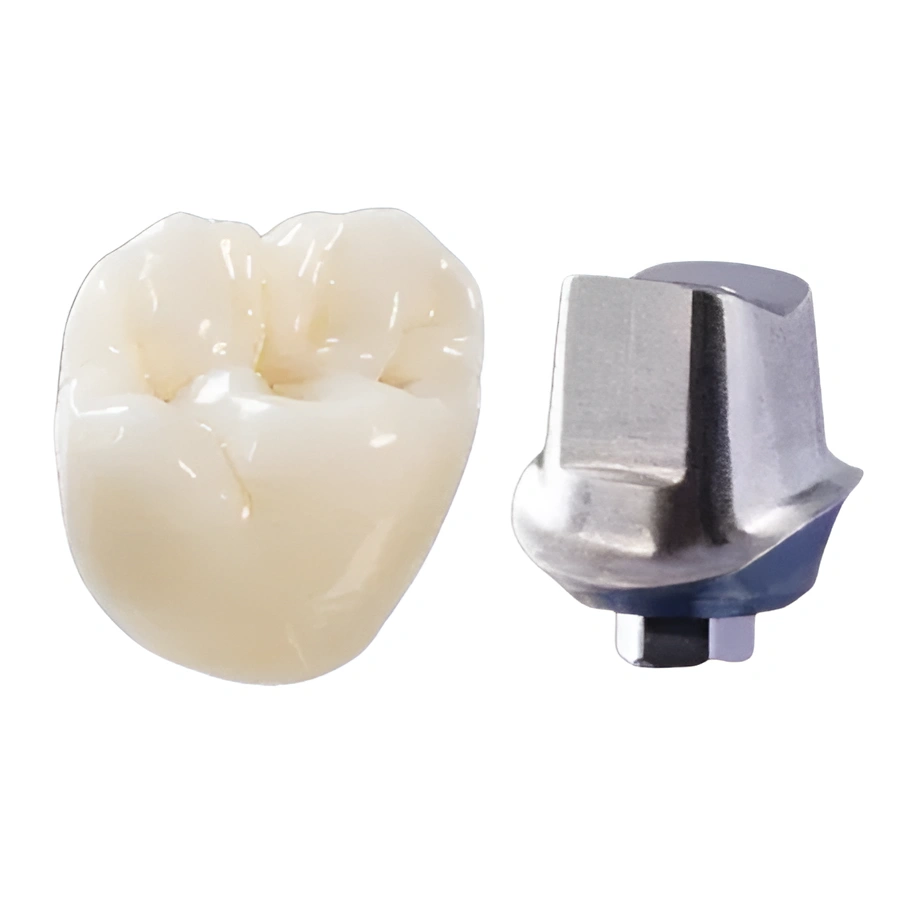
A dental implant restoration is the visible, functional portion of an implant system. It sits on top of the implant fixture that is placed in the jawbone. The restoration itself can be a crown, bridge, or full-arch prosthetic.
The restoration must connect precisely to the implant. Even a small misfit can cause complications. Therefore, accurate fabrication is essential at every step of the process.
Common Types of Implant Restorations
Dentists work with several types of implant-supported restorations. Each serves a different clinical need. Here are the most common types:
- Single-unit implant crowns — Replace one missing tooth with a crown secured to an implant abutment.
- Implant-supported bridges — Replace multiple adjacent missing teeth using two or more implants as anchors.
- Full-arch restorations — Replace an entire arch of teeth, often using a fixed or removable implant prosthetic.
- Custom abutments — Precisely shaped connectors that join the implant to the restoration for an ideal emergence profile.
Additionally, each case requires careful planning and precise fabrication. That is where a skilled digital dental lab makes a significant difference.
Why the Digital Workflow Elevates Implant Restoration Quality
Traditional analog lab processes rely heavily on manual impressions and handcrafted models. These methods can introduce small errors. Over time, those errors affect fit, function, and patient comfort.
Digital workflows eliminate many of those variables. As a result, the final restoration is more accurate and more consistent. Dentek Digital has been at the forefront of this shift since the earliest days of CAD/CAM dentistry.
How CAD/CAM Technology Works for Implant Cases
CAD stands for computer-aided design. CAM stands for computer-aided manufacturing. Together, these technologies allow our lab technicians to design and mill restorations with exceptional precision.
First, the dentist sends us a digital scan of the implant site. Next, our technicians use specialized software to design the restoration. Then, milling machines fabricate the piece from high-quality materials. Finally, our team applies finishing touches for natural aesthetics.
Because of this process, the fit and appearance of each restoration are tightly controlled. Dentists in Phoenix, Mesa, Scottsdale, and Chandler rely on this workflow for their most demanding implant cases.
Materials Used in Digital Implant Restorations
Material selection directly affects how a restoration looks, feels, and lasts. Dentek Digital works with premium-grade materials suited to implant restorations. These include:
- Zirconia — Highly durable and biocompatible. Ideal for posterior implant crowns that need to withstand heavy chewing forces.
- Lithium disilicate — Offers excellent aesthetics. Often used in anterior implant cases where appearance is the priority.
- Layered ceramic — Provides lifelike translucency. Our technicians apply ceramic layers by hand for a natural finish.
- Titanium and PEEK abutments — Strong and well-tolerated by surrounding tissues. Used to support the restoration at the implant interface.
Moreover, the right material choice depends on the location of the implant, the patient’s bite, and their aesthetic goals. Our team helps dentists navigate these decisions with confidence.
The Dentek Digital Advantage for Implant Cases
Dentek Digital is not a general-purpose lab. We focus on digital excellence. Our team combines advanced technology with experienced craftsmanship to fabricate restorations that meet the highest standards in the industry.
We were one of the earliest adopters of the digital CAD/CAM workflow in the country. That experience translates into a deeper understanding of implant cases, complex anatomy, and the nuances that affect long-term success.
Precision from the First Scan to Final Delivery
Every implant case at Dentek Digital follows a structured digital process. We review incoming scans carefully. We also check for any design issues before fabrication begins. This proactive approach reduces the need for remakes and adjustments.
Furthermore, our communication with dentists is direct and responsive. If we have a question about a case, we reach out before we proceed. This keeps the process moving efficiently and avoids costly surprises at delivery.
Supporting Dentists Across the Greater Phoenix Area
Our lab is based in Phoenix and serves dental practices throughout the Greater Phoenix area. That includes communities such as Tempe, Gilbert, Chandler, Mesa, and Scottsdale. We understand the local dental market and the needs of practices in this region.
Additionally, our digital platform makes it easy for dentists to submit cases, communicate with our team, and track progress. The result is a smoother experience for both the dental team and their patients.
Digital Implant Planning: A Smarter Way to Start
Successful implant restorations begin before the implant is even placed. Dentek Digital offers advanced digital implant planning services to help dentists and oral surgeons position implants for the best restorative outcome.
When the implant is placed in the right position, the restoration fits better. It also looks more natural and functions more effectively. On the other hand, poor implant placement can create challenges that are difficult to correct later.
How Digital Implant Planning Works
The planning process uses CBCT imaging and digital design software. Our team analyzes the patient’s bone structure and available space. We then map out an ideal implant position based on the planned restoration design.
This approach is sometimes called “restorative-driven implant planning.” In other words, the final restoration guides where the implant goes — not the other way around. The result is a more predictable outcome for both the surgeon and the restorative dentist.
Dental practices in Phoenix, Scottsdale, and surrounding communities have used our planning services to improve case predictability. We encourage dentists to explore this option before beginning complex implant cases.
Tips for Dentists Submitting Implant Cases to a Digital Lab
A smooth lab experience starts with a well-prepared submission. Here are some practical tips to help your implant cases go smoothly:
- Use a high-quality intraoral scanner. Clean, accurate scans reduce the chance of design errors and remakes.
- Include the implant manufacturer and system details. This ensures we use the correct implant library in our design software.
- Capture the scan body accurately. The scan body tells our software exactly where the implant is positioned in the arch.
- Provide shade information and photos. Especially for anterior cases, reference photos help us match the surrounding teeth closely.
- Communicate any functional concerns upfront. If the patient has a heavy bite or bruxism, let us know so we can select the right material.
Moreover, clear communication from the start leads to better restorations and fewer remakes. Our team is always available to answer questions before you submit a case.
Frequently Asked Questions About Dental Implant Restorations
What information does Dentek Digital need to fabricate an implant restoration?
We need a digital scan of the implant site, the implant system and manufacturer details, shade information, and any notes about the patient’s bite or functional needs. The more detail you provide, the better we can serve you.
How long does it take to receive a completed implant restoration?
Turnaround times vary based on case complexity and the type of restoration. However, our digital workflow is designed to be efficient. We work to deliver completed restorations within a competitive timeframe. Contact our team for current turnaround estimates.
Can Dentek Digital work with any implant system?
We work with a wide range of implant systems and maintain an extensive library of implant components in our design software. If you have questions about a specific system, reach out before submitting your case.
What materials are best for posterior implant crowns?
Zirconia is often the top choice for posterior implant crowns because of its strength and durability. However, material selection also depends on occlusal clearance, aesthetics, and the patient’s specific bite. Our technicians can help you choose the right option.
Does Dentek Digital offer support for full-arch implant cases?
Yes. We fabricate full-arch implant restorations including fixed hybrid prosthetics and removable overdentures. These cases require careful planning and high-precision fabrication. Our team has extensive experience with complex implant prosthetics.
Partner With a Lab That Understands Implant Dentistry
High-quality dental implant restorations require more than good materials. They require an experienced team, advanced technology, and a precise process from start to finish. Dentek Digital delivers all three.
We are proud to serve dental practices across the Greater Phoenix area, including Mesa, Tempe, Chandler, Gilbert, and Scottsdale. Our digital platform makes collaboration easy, efficient, and transparent.
If you are ready to elevate your implant cases, we are here to help. Contact Dentek Digital today to send us a case or request a consultation with our team. We look forward to supporting your patients with restorations that look, feel, and perform their best.