Efficiency is everything in a modern dental practice. When your restorative workflows run smoothly, your team delivers better care and your patients leave happier. However, many practices still rely on outdated processes that slow everything down.
Digital dentistry has changed what is possible. Today, dental practices across Greater Phoenix — from Scottsdale to Chandler — are upgrading their workflows with CAD/CAM technology. As a result, they are seeing faster turnarounds, fewer remakes, and stronger patient outcomes.
At Dentek Digital, we partner with dentists and practices throughout the Phoenix area to make this shift easier. In this guide, we walk through practical steps to streamline your restorative process from start to finish.
Why Restorative Workflow Efficiency Matters
Every step in your restorative process has a cost. Chair time, lab communication, remake rates — these all add up quickly. Therefore, practices that invest in smarter workflows save time and reduce frustration for everyone involved.
Inefficiency also affects the patient experience. Long wait times and multiple appointments can erode trust. On the other hand, a streamlined digital workflow creates a seamless journey from diagnosis to delivery.
The Hidden Costs of Outdated Processes
Traditional analog workflows involve many handoff points. Each handoff introduces risk. For example, physical impressions can distort, instructions can get lost, and communication delays can push back delivery timelines.
Additionally, remakes are expensive — not just financially, but in chair time and patient confidence. Moving to a digital-first approach reduces these risks significantly. Furthermore, it gives your lab partner the precise data needed to fabricate accurate restorations the first time.
Key Elements of a Modern Digital Restorative Workflow
Building a more efficient process starts with understanding the core components. Each element plays a role in reducing delays and improving quality. Moreover, each step connects to the next in a way that analog workflows simply cannot match.
Digital Impressions and Intraoral Scanning
Digital impressions eliminate the mess and guesswork of traditional PVS materials. Intraoral scanners capture accurate, detailed 3D models of the patient’s dentition. As a result, your lab receives clean, usable data right away.
Practices in Mesa, Tempe, and Gilbert are increasingly adopting digital scanning. The investment pays off quickly in reduced remake rates and faster case submission. Also, patients tend to appreciate the more comfortable experience.
Streamlined Case Submission
Once you have a digital scan, submitting a case should be simple and fast. A good lab partner makes this process intuitive. For example, Dentek Digital accepts digital case files directly, allowing quick turnaround without physical shipping delays.
Clear, complete case notes are just as important as the scan itself. Therefore, take time to include shade information, occlusal preferences, and any special instructions. This small step prevents back-and-forth and keeps your case on track.
Ready to simplify your submission process? Contact Dentek Digital today and let our team guide you through an effortless case workflow.
CAD/CAM Fabrication and What It Means for Your Practice
CAD/CAM dentistry — which stands for computer-aided design and computer-aided manufacturing — allows labs to design and mill restorations with exceptional precision. This technology reduces human error at every fabrication stage. Additionally, it allows for consistent, repeatable results across cases.
At Dentek Digital, we were among the earliest adopters of the digital CAD/CAM workflow in the country. Our process combines cutting-edge technology with skilled craftsmanship. Because of this, dentists throughout Phoenix and surrounding communities trust us with their most complex cases.
Building Better Communication with Your Lab
Strong lab-practice communication is one of the most underrated parts of an efficient restorative workflow. Miscommunication leads to remakes, delays, and frustration. However, a few simple habits can transform this relationship.
Set Clear Expectations from the Start
Before submitting a case, confirm that your lab understands your expectations. Share detailed photos, shade tabs, and any patient-specific notes. Furthermore, discuss turnaround timelines upfront so your scheduling team can plan accordingly.
This is especially important for complex restorations like implant-supported crowns or full-arch cases. These cases require more coordination. Therefore, early communication prevents last-minute surprises.
Use a Consistent Case Submission Format
Consistency reduces errors. When your team follows the same submission checklist every time, cases move faster through the lab. Also, your lab technicians spend less time seeking clarification and more time fabricating.
Consider creating a simple internal checklist for your front desk or clinical coordinator. Next, review it with your team during a brief training session. Then, refine it over time based on feedback from your lab partner.
Restoration Types That Benefit Most from Digital Workflows
Not all restorations are created equal when it comes to workflow efficiency gains. Some case types see dramatic improvements when moved to a digital process. Moreover, understanding which restorations benefit most helps you prioritize where to invest first.
Fixed Restorations
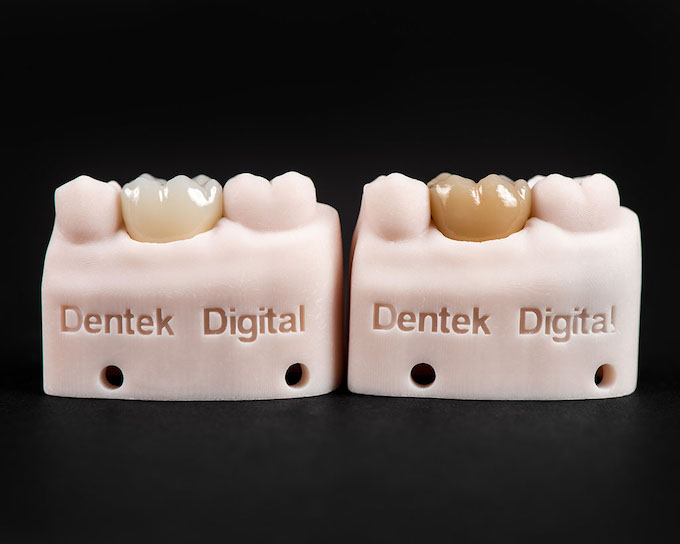
Crowns, bridges, inlays, and onlays are among the most common restorations in any practice. Digital workflows dramatically improve accuracy and fit for these cases. As a result, fewer adjustments are needed at delivery, which saves valuable chair time.
Practices in Chandler and Scottsdale that have transitioned to digital fixed workflows often report faster delivery times and higher patient satisfaction. First, scanning time is reduced. Then, lab fabrication is quicker. Finally, seating appointments become more straightforward.
Splints and Nightguards
Occlusal splints and nightguards are excellent candidates for digital fabrication. Digital designs are highly accurate and comfortable. Additionally, they are easier to adjust and reorder if needed.
Because of this, many Phoenix-area practices now send all their splint cases digitally. The result is a better-fitting appliance and a more satisfied patient. Furthermore, your team spends less time troubleshooting fit issues chairside.
Dental Implants
Implant restorations require exceptional precision. Digital workflows — including digital implant planning — make this possible. At Dentek Digital, we offer advanced implant planning services that help ensure accuracy from surgery to final restoration.
This integrated approach reduces the guesswork involved in complex implant cases. Therefore, you can approach these cases with greater confidence. Moreover, your patients benefit from a more predictable outcome.
Technology and Craftsmanship: A Powerful Combination
Technology alone does not make a great restoration. Skilled lab technicians bring the artistry that makes a crown look natural and a smile look beautiful. At Dentek Digital, we believe in combining both.
Our team uses advanced CAD/CAM systems alongside hands-on craftsmanship. This balance is what sets truly exceptional restorations apart. Furthermore, it is why dentists across Greater Phoenix continue to choose us as their trusted lab partner.
We also offer specialty services like TattooTH, our proprietary digital surface texturing solution. This service delivers lifelike enamel characterization that blends seamlessly with natural dentition. As a result, patients receive restorations that are both functional and esthetically outstanding.
Practical Tips for Improving Your Workflow Today
You do not need to overhaul everything at once. In fact, small, incremental changes often deliver the best long-term results. Here are a few practical steps you can take right away:
- Audit your current process. Identify where delays most often occur in your restorative workflow.
- Adopt digital scanning. Even one intraoral scanner can transform your case submission process.
- Standardize your case notes. Use a consistent format every time you submit a case to your lab.
- Communicate early and often. Reach out to your lab before and during complex cases, not just at submission.
- Track remake rates. Monitor which case types require the most remakes and address those first.
- Schedule a workflow review. Partner with your lab to evaluate and improve your current process together.
These steps are straightforward to implement. Moreover, each one builds toward a more reliable and efficient restorative process over time.
Frequently Asked Questions About Restorative Workflows
What is a restorative workflow in dentistry?
A restorative workflow is the step-by-step process used to diagnose, plan, fabricate, and deliver a dental restoration. It includes everything from the initial exam to the final seating appointment. Efficient workflows reduce delays and improve outcomes for both the practice and the patient.
How does digital technology improve restorative workflows?
Digital tools like intraoral scanners and CAD/CAM systems eliminate many manual steps. They improve accuracy, reduce turnaround times, and lower remake rates. Additionally, digital files are easier to share, store, and review than physical impressions or models.
Do I need to invest in expensive equipment to benefit from digital workflows?
Not necessarily. Many practices begin by partnering with a digital lab like Dentek Digital without purchasing their own equipment. Your lab partner can guide you on where to invest based on your case volume and practice goals. Therefore, you can scale your investment over time.
How can I reduce remake rates in my practice?
Focus on three areas: better impression or scan quality, more detailed case notes, and stronger lab communication. Furthermore, working with a lab that specializes in digital fabrication significantly reduces errors at the production stage.
Is Dentek Digital able to support practices outside of Phoenix?
While we are based in Phoenix and proudly serve the Greater Phoenix area — including Mesa, Chandler, Tempe, Gilbert, and Scottsdale — we welcome conversations with practices throughout Arizona and beyond. Contact our team to learn more about how we can support your lab needs.
Partner with Dentek Digital to Elevate Your Restorative Workflow
Improving your restorative workflows does not have to be overwhelming. With the right lab partner, the transition to a more efficient digital process is straightforward and rewarding. Dentek Digital has the experience, technology, and team to help you get there.
We are proud to serve dental practices throughout Phoenix, Scottsdale, Mesa, Tempe, Chandler, Gilbert, and the surrounding Greater Phoenix area. Whether you are just beginning your digital journey or looking to optimize an existing process, we are here to help.
Explore your options and take the first step toward a more efficient practice. Contact Dentek Digital to discuss your cases and discover what a true digital lab partnership looks like.