
Dentures have helped patients regain confidence and function for generations. However, denture challenges remain one of the most common concerns that dental practices encounter. From poor fit to patient discomfort, these issues can affect treatment outcomes and patient satisfaction.
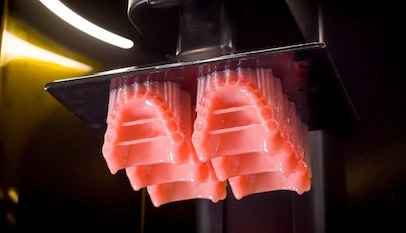
Fortunately, digital dentistry has transformed how dental labs fabricate dentures. Today, CAD/CAM technology allows labs like Dentek Digital to deliver more precise, reliable restorations than ever before. As a result, many of the traditional problems associated with dentures are now easier to address.
Whether your practice is in Phoenix, Mesa, Scottsdale, or Chandler, this guide walks through the most common denture challenges — and the modern solutions available to help you and your patients.
Why Denture Fit Problems Are So Common
Fit is the foundation of every successful denture case. When a denture fits poorly, patients experience discomfort, instability, and difficulty chewing. Moreover, poor fit can accelerate bone resorption over time.
Traditional denture fabrication relied heavily on manual impression techniques. These methods introduced variables that sometimes led to inaccuracies. Additionally, minor distortions in physical impressions could compound across multiple fabrication steps.
How Digital Impressions Improve Accuracy
Digital impressions eliminate many of the variables found in traditional workflows. Therefore, the fit of the final restoration is more predictable from the start. Intraoral scanners capture precise 3D data that feeds directly into the CAD/CAM design process.
At Dentek Digital, we work from digital records to design and mill dentures with tight tolerances. As a result, fewer remakes and adjustments are needed. This saves valuable chair time for your practice.
Bone Resorption and Changing Fit Over Time
Even a well-fitting denture can become loose over time. This is because the jawbone naturally resorbs after tooth loss. Consequently, the tissue-bearing surface of the denture no longer matches the ridge anatomy.
Digital records make it easier to track changes over time. Furthermore, a well-documented digital workflow simplifies reline and rebase procedures when they become necessary. Practices in Gilbert and Tempe are increasingly turning to digital workflows to manage these long-term fit challenges more efficiently.
Common Occlusal and Bite Challenges
Occlusion — the way upper and lower dentures come together — is another frequent source of problems. Improper bite can cause uneven pressure, TMJ discomfort, and accelerated wear. On the other hand, a properly balanced occlusion distributes forces evenly and improves patient comfort.
Traditional denture setups relied on analog articulation, which introduced room for error. Because of this, bite discrepancies sometimes went undetected until after delivery. Digital design tools now allow technicians to virtually simulate occlusal contact before fabrication begins.
Balancing Occlusion with Digital Design Tools
CAD/CAM software gives dental lab technicians the ability to evaluate occlusion in a virtual environment. Therefore, potential bite issues can be identified and corrected early in the process. This means patients are less likely to return with occlusal complaints after insertion.
Additionally, digital articulation data can be shared directly between the dental practice and the lab. This collaboration allows for more accurate case setups. Dentek Digital partners closely with dental professionals to review occlusal parameters before fabrication begins.
Esthetics: Meeting Patient Expectations
Patients today have high expectations for how their dentures look. They want natural-looking teeth, appropriate gum shading, and proportions that suit their face. Moreover, esthetic dissatisfaction is one of the leading reasons patients request remakes.
Traditional wax try-ins helped address esthetics, but they were time-consuming and limited. In addition, conveying esthetic preferences accurately between the patient, dentist, and lab was often challenging.
Digital Smile Design and Preview Tools
Digital workflows now include smile design tools that allow patients to preview their restoration before fabrication. Therefore, expectations are set early and clearly. Both the clinician and the patient can approve the digital design with confidence.
Furthermore, digital libraries offer a wide range of tooth shapes, sizes, and shading options. This gives dental professionals in Phoenix and surrounding communities access to highly customizable esthetic outcomes. Dentek Digital uses advanced design software to help practices achieve the look their patients want.
Material Selection and Esthetic Longevity
The choice of denture material also affects long-term esthetics. Some materials resist staining better than others. Additionally, newer milled denture materials offer improved translucency and wear resistance compared to conventional acrylic.
Milled PMMA denture bases and pre-shaded tooth materials are now standard in many digital workflows. As a result, the final restoration is not only more precise but also more esthetically durable. Dental restoration materials continue to evolve rapidly alongside digital fabrication technology.
Patient Comfort and Tissue Irritation
Sore spots and tissue irritation are among the most frequent complaints after denture delivery. They are often caused by pressure points in the denture base. However, with digital fabrication, the tissue-bearing surface can be designed with greater consistency and precision.
Additionally, digital workflows reduce the variability introduced by hand-processing. This leads to more uniform denture bases that distribute pressure more evenly. Patients are therefore less likely to experience significant discomfort after delivery.
Reducing Post-Delivery Adjustments
Every adjustment appointment takes time — for the patient and the practice. Therefore, reducing the number of post-delivery adjustments directly improves practice efficiency. Digital dentures consistently require fewer adjustments than traditionally fabricated alternatives.
Practices in Scottsdale and Chandler that have adopted digital workflows often report a smoother post-delivery experience. Moreover, when adjustments are needed, digital records allow for precise modifications. The lab can reference the original design file to understand exactly what changes are required.
If you are ready to simplify your denture workflow, contact Dentek Digital to discuss your next case and explore digital denture options for your practice.
Implant-Retained Dentures: Additional Challenges
Implant-supported dentures offer significant advantages for patients with adequate bone volume. However, they also introduce additional challenges around passive fit and attachment compatibility. Because of this, precision in fabrication is even more critical.
A denture that does not seat passively on implant attachments can cause stress on the implants and surrounding bone. Furthermore, improper fit can compromise the long-term success of the implants themselves. Digital workflows address this by allowing lab technicians to design around precise implant position data.
Digital Implant Planning and Guided Workflows
Dentek Digital offers digital implant planning as part of its advanced services. This allows the restorative team to plan implant placement with the final restoration in mind. Therefore, the prosthetic outcome is considered from the very beginning of treatment.
Additionally, guided surgical workflows ensure that implant positions align with the digital prosthetic design. This approach reduces the risk of fit complications at the restorative stage. Dental practices across the Greater Phoenix area are increasingly incorporating these planning tools into their implant protocols.
Communication Between Dentist and Lab
Poor communication between the dental practice and the lab is a root cause of many denture challenges. When case information is incomplete or unclear, the lab must make assumptions. As a result, the final restoration may not match the clinician’s or patient’s expectations.
Digital workflows improve communication significantly. Scans, photographs, and design files can all be shared electronically in seconds. Therefore, questions can be resolved before fabrication begins — not after delivery.
What to Include in a Complete Digital Denture Case
A complete case submission helps the lab deliver the best possible result. Here is what to include:
- High-quality intraoral or model scans of the edentulous arches
- Bite registration data for accurate occlusal setup
- Facial photographs to guide tooth selection and esthetics
- Shade and mold preferences or reference information
- Notes on patient history, including previous denture complaints
- Desired turnaround timeline and any special instructions
Meanwhile, the Dentek Digital team is always available to answer questions and provide guidance before you submit a case. Clear communication leads to better restorations and happier patients.
Frequently Asked Questions About Denture Challenges
What causes a denture to become loose over time?
The jawbone naturally resorbs after tooth extraction. This changes the shape of the ridge that supports the denture. Therefore, a denture that fit well at delivery may loosen as the bone changes. Regular follow-up visits and timely relines help maintain proper fit.
How does digital fabrication reduce denture challenges?
Digital fabrication improves accuracy at every step of the process. CAD/CAM technology allows for precise design, consistent material processing, and better communication between the lab and the practice. As a result, fit, occlusion, and esthetics are more predictable.
Can existing dentures be converted to a digital workflow for relines or remakes?
Yes. In many cases, existing dentures can be scanned to capture the current design. This digital record can then be used as a reference for relines, remakes, or modifications. Furthermore, it gives the lab a baseline for tracking changes over time.
What is the benefit of implant-retained dentures over traditional dentures?
Implant-retained dentures offer greater stability and reduce bone resorption over time. They also improve chewing efficiency and patient confidence. However, they require precise planning and fabrication to ensure passive fit and long-term success.
How do I submit a digital denture case to Dentek Digital?
You can send digital files, scans, and case information directly through our case submission portal. Our lab team reviews every submission and follows up with any questions. We work with dental practices throughout Phoenix, Mesa, Tempe, Gilbert, Scottsdale, and Chandler.
Partner With Dentek Digital for Better Denture Outcomes
Denture challenges are common, but they are not inevitable. With the right digital workflow and an experienced lab partner, your practice can deliver dentures that fit well, look natural, and stand the test of time. Moreover, fewer complications mean a better experience for both your team and your patients.
At Dentek Digital, we combine advanced CAD/CAM technology with skilled craftsmanship to fabricate high-quality digital dentures for practices across the Greater Phoenix area. We are proud to serve dental professionals in Phoenix, Mesa, Scottsdale, Chandler, Tempe, Gilbert, and beyond.
Ready to elevate your denture cases? Explore your options and send us a case today. Our team is here to support your practice and your patients every step of the way.