3D printing has transformed the way dental labs fabricate restorations. However, dental printing challenges remain a real obstacle for many practices and labs trying to deliver consistent, high-quality results. Understanding these challenges is the first step toward overcoming them.
At Dentek Digital, we work with dentists across the Greater Phoenix area — including Scottsdale, Mesa, Chandler, and Gilbert. We have built our workflow around solving the most common problems in digital dental fabrication. Because of this, our team has developed deep expertise in navigating every stage of the printing process.
In this post, we break down the key challenges in dental 3D printing. We also share practical insights to help you understand what separates a reliable digital lab from the rest.
What Is Dental 3D Printing?
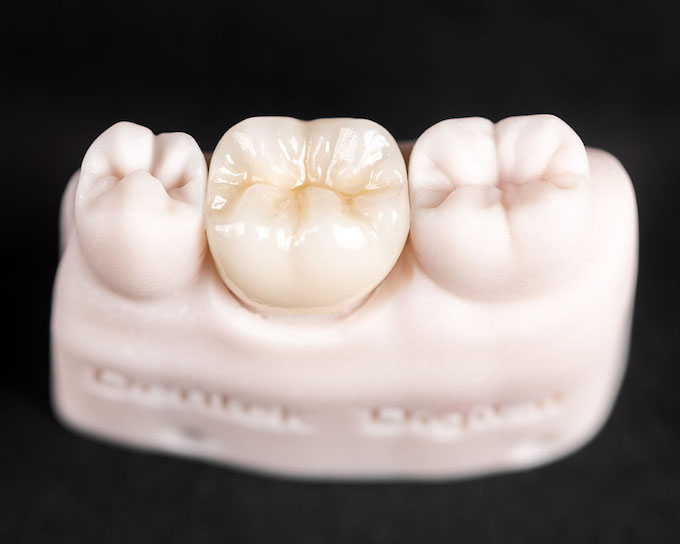
Dental restoration fabrication has evolved significantly with the rise of 3D printing technology. Digital labs use photopolymer resins, milling blocks, and advanced printers to create crowns, bridges, splints, nightguards, surgical guides, and more. The process starts with a digital scan and ends with a finished, patient-ready restoration.
However, the technology is only as good as the workflow behind it. Therefore, labs must carefully manage every step — from file design to post-processing. Even small errors can affect fit, function, and aesthetics.
The Most Common Dental Printing Challenges
Whether you are a dentist in Tempe or running a practice in Scottsdale, these challenges affect labs and clinics at every level. Moreover, they become more costly when left unaddressed. Let’s look at the most common issues in detail.
1. Inaccurate Digital Impressions
Every printed restoration starts with a digital scan. If that scan is inaccurate, the final result will not fit properly. Additionally, poor scan quality leads to reprints, delays, and patient chair time.
Common causes include improper scan technique, moisture contamination, or using an outdated intraoral scanner. Furthermore, certain tooth preparations — such as subgingival margins — are especially difficult to capture cleanly.
Tip: Always verify scan quality before submitting a case. A clean, complete scan is the single most important factor in a successful restoration.
2. File Format and Software Compatibility
Digital dentistry relies on open-file formats like STL and OBJ. However, not all software systems handle these files the same way. As a result, file conversion errors can introduce distortions that affect the final restoration.
In addition, some CAD software versions do not communicate cleanly with certain printer systems. Therefore, the lab and the dental practice must be aligned on file formats from the start. At Dentek Digital, we work within an open digital workflow that minimizes compatibility issues.
3. Print Orientation and Support Structures
How a restoration is oriented on the build platform matters enormously. Poor orientation leads to surface defects, warping, or structural weakness. Moreover, support structures — the temporary scaffolding used during printing — must be placed carefully to avoid damaging critical surfaces.
For example, a poorly placed support on the occlusal surface of a crown can leave marks that affect the bite. Because of this, experienced technicians spend significant time planning orientation before a print job begins. This is not a step that can be rushed.
4. Resin and Material Management
Not all dental resins behave the same way. Temperature, humidity, and storage conditions all affect print quality. Additionally, resins have shelf lives that must be tracked carefully. Using expired or improperly stored material leads to brittle, inaccurate, or discolored restorations.
Furthermore, different materials require different print settings. A surgical guide resin, for instance, has very different properties than a resin used for a temporary crown. Therefore, labs must maintain strict material protocols for every product they print.
At Dentek Digital, we manage all material variables in-house. Our team in Phoenix uses only validated resins and maintains strict environmental controls throughout the fabrication process.
5. Post-Processing Errors
Post-processing is one of the most overlooked steps in dental 3D printing. After printing, restorations must be washed, cured, and finished precisely. On the other hand, skipping or rushing post-processing steps leads to surface tackiness, poor mechanical strength, or color instability.
For example, under-cured restorations may flex or crack under occlusal load. Meanwhile, over-curing can cause brittleness. Therefore, every material has a specific post-processing protocol that must be followed exactly.
If you are sending cases to a lab, ask about their post-processing procedures. A quality lab will always have a documented, validated workflow.
Challenges Specific to CAD/CAM Milling
While 3D printing is growing rapidly, many high-quality restorations — especially zirconia crowns and bridges — are still milled using CAD/CAM dentistry technology. Milling has its own set of challenges that labs must manage carefully.
Tool Wear and Calibration
Milling burs wear down over time. As a result, a bur that has cut hundreds of restorations may no longer hold tight tolerances. Therefore, labs must track bur usage and replace tools on a defined schedule.
Additionally, milling machines require regular calibration. Even small shifts in machine alignment can produce restorations that do not seat properly. At Dentek Digital, we monitor our equipment continuously to maintain the precision our dentists depend on.
Material Chipping and Fracture
Zirconia and ceramic materials are strong but brittle during the milling process. Because of this, thin margins and connector areas are especially vulnerable to chipping. Furthermore, aggressive milling strategies can introduce internal stresses that only appear after sintering.
Experienced technicians know how to design restorations with appropriate wall thickness and connector dimensions. Moreover, they select milling strategies that protect the integrity of each restoration throughout the process.
How a Quality Digital Lab Addresses These Challenges
Working with a trusted digital lab removes much of the burden from your practice. Additionally, it ensures that the most critical technical decisions are made by experienced professionals. Here is what to look for in a reliable lab partner.
- Open digital workflow: A quality lab accepts scan files from any major intraoral scanner without compatibility issues.
- Validated materials: The lab uses only dental-grade, clinically validated resins and milling blocks.
- Documented post-processing: Each material type follows a specific, repeatable post-processing protocol.
- Skilled technicians: Technology alone is not enough. Experienced hands ensure every restoration meets clinical standards.
- Clear communication: The lab contacts you when scan quality is poor, rather than printing a bad result and hoping for the best.
Explore your options and consider how your current lab measures up against these standards. If gaps exist, it may be time to make a change.
How Dentek Digital Supports Phoenix-Area Dentists
Dentek Digital serves dental practices across the Greater Phoenix area, including Gilbert, Mesa, Chandler, Scottsdale, and Tempe. We were among the earliest adopters of the CAD/CAM digital workflow in the country. Therefore, we bring years of real-world experience to every case we fabricate.
Our solutions include fixed restorations, removables, splints and nightguards, and dental implants. In addition, we offer advanced services such as TattooTH and digital implant planning. We combine state-of-the-art technology with skilled craftsmanship to deliver results that meet your clinical expectations.
Furthermore, we believe in open communication with every practice we partner with. If your scan needs improvement, we will tell you. If a design change would improve the outcome, we will discuss it. Because of this approach, our dentist partners consistently report better-fitting, better-looking restorations for their patients.
Send us a case and see the Dentek Digital difference for yourself. Our team is ready to support your practice with the precision and reliability you need.
Frequently Asked Questions About Dental Printing Challenges
What causes poor fit in 3D-printed dental restorations?
Poor fit most often results from inaccurate digital impressions, file conversion errors, or improper print orientation. Additionally, inadequate post-processing can cause dimensional changes. Therefore, every step of the workflow must be managed carefully.
How do I know if my lab is handling post-processing correctly?
Ask your lab for their documented post-processing protocol. A reputable lab will have specific wash and cure times for each material they use. Furthermore, they should be able to explain how they validate their results.
Is 3D printing or milling better for dental restorations?
Both methods have strengths. 3D printing is excellent for surgical guides, splints, nightguards, and certain temporary restorations. On the other hand, milling is often preferred for high-strength permanent restorations like zirconia crowns. A skilled lab uses both technologies appropriately.
How can I reduce reprints and remakes?
Start with high-quality digital scans and submit complete case information with each order. In addition, partner with a lab that proactively communicates about any issues before fabricating a questionable case. Moreover, consistent scan technique training for your team will reduce errors over time.
Does Dentek Digital work with all intraoral scanners?
Yes. Dentek Digital operates within an open digital workflow. Therefore, we accept STL and other standard file formats from virtually all major intraoral scanner brands used by Phoenix-area dental practices.
Partner With Dentek Digital for Precision Digital Restorations
Dental printing challenges are real, but they are manageable with the right lab partner. At Dentek Digital, we have spent years refining our workflow to eliminate the most common sources of error. As a result, Phoenix-area dentists trust us to deliver precise, reliable restorations case after case.
Whether you are in Scottsdale, Mesa, Chandler, Gilbert, or anywhere across the Greater Phoenix area, we are ready to support your practice. Our team combines advanced CAD/CAM technology with experienced craftsmanship to give your patients the best possible outcomes.
Ready to get started? Contact Dentek Digital today to discuss your next case and discover how our digital lab expertise can elevate your practice.