
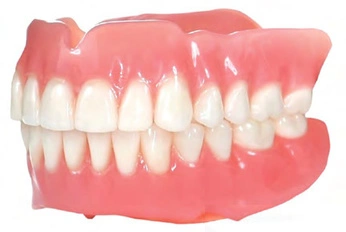
Finding the best teeth implants is one of the most important decisions a dental patient can make. Implants restore function, confidence, and long-term oral health. However, not all implant restorations are created equal.
The quality of an implant restoration depends heavily on the dental lab behind it. Advanced digital fabrication technology plays a major role in how well a restoration fits, functions, and lasts. Therefore, understanding what goes into a great implant restoration can help both patients and dental providers make smarter choices.
At Dentek Digital, we fabricate high-quality implant restorations for dentists and dental practices across the Greater Phoenix, Arizona area. Our CAD/CAM-driven workflow delivers precision that traditional methods simply cannot match. In this guide, we break down everything you need to know about teeth implants and what makes a restoration truly exceptional.
What Are Teeth Implants?
Teeth implants are titanium posts placed into the jawbone to replace missing tooth roots. They serve as a stable foundation for crowns, bridges, or full-arch restorations. Additionally, they preserve bone structure and prevent the facial changes that often follow tooth loss.
The implant itself is placed by a dentist or oral surgeon. However, the visible restoration — the crown or bridge that sits on top — is fabricated by a dental lab. That restoration is what patients see and feel every day. Therefore, the lab’s craftsmanship and technology matter enormously.
How the Restoration Process Works
First, the dentist places the implant and allows time for osseointegration. Next, impressions or digital scans are taken of the implant site. Then, those scans are sent to a dental lab to design and fabricate the custom restoration. Finally, the dentist seats the finished crown or bridge onto the implant.
Every step requires precision. Even small errors in fit can cause discomfort or long-term complications. Because of this, working with a lab that uses advanced CAD/CAM technology is critical to achieving a great outcome.
What Makes a High-Quality Implant Restoration?
Not every dental lab operates at the same level. The best implant restorations share several key qualities. Moreover, those qualities start with the tools and processes used during fabrication.
Precision CAD/CAM Design
CAD/CAM stands for computer-aided design and computer-aided manufacturing. This technology allows lab technicians to design restorations digitally with extreme accuracy. As a result, crowns and bridges fit more precisely than those made with older, manual methods.
At Dentek Digital, we were among the earliest adopters of the digital CAD/CAM workflow in the country. Our team uses this technology to fabricate every implant restoration with tight tolerances and consistent quality. Additionally, digital design allows for better customization of shape, color, and bite function.
Material Selection
The materials used in implant restorations directly affect durability and appearance. Zirconia and layered ceramics are among the most commonly used materials today. Furthermore, modern materials offer both strength and natural aesthetics that older options could not achieve.
At our lab, we select materials based on the clinical needs of each case. For example, a single anterior crown requires different material properties than a posterior implant-supported bridge. Therefore, material choice is always a deliberate, case-specific decision.
Skilled Lab Technicians
Technology alone is not enough. Skilled technicians must interpret the digital data and apply real craftsmanship to every restoration. Moreover, experienced technicians catch problems before a case ships, reducing remakes and delays.
Our team at Dentek Digital combines technology with hands-on expertise. We take pride in fabricating restorations that fit well, look natural, and stand up to daily use. As a result, the dentists we partner with trust us case after case.
Digital Implant Planning: A Game-Changer for Dental Providers
One of the most advanced services we offer is digital implant planning. This process uses 3D imaging data to map out implant placement before surgery. Therefore, dentists can plan cases with a higher degree of precision and predictability.
Digital planning reduces guesswork during placement. It also allows for the fabrication of surgical guides that help position implants in exactly the right location and angle. As a result, the final restoration fits better and the overall treatment is more efficient.
Benefits for Dentists and Patients
For dental practices in Phoenix, Scottsdale, Chandler, and surrounding communities, digital implant planning offers real advantages. First, it reduces chair time. Next, it improves communication between the surgeon and the restorative dentist. Additionally, it gives patients a clearer picture of their treatment plan before any procedure begins.
We work closely with dental providers to support the planning process from the lab side. Our goal is to make every implant case as smooth and predictable as possible. Therefore, we encourage practices to explore this service when planning complex implant cases.
Why the Lab Behind the Restoration Matters
Many patients focus entirely on the dentist placing the implant. However, the dental lab that fabricates the restoration is equally important to the final result. A poorly fitting crown or bridge can cause significant problems, even with a perfectly placed implant.
In the Greater Phoenix area, dental practices in Mesa, Tempe, Gilbert, and Scottsdale partner with labs that match their standard of care. The best practices choose labs with proven digital workflows and a track record of consistent quality.
What to Look for in a Dental Lab
When evaluating a dental lab for implant restorations, consider the following:
- Digital workflow capability: Does the lab use CAD/CAM technology for design and milling?
- Implant system compatibility: Can the lab work with the implant systems your practice uses?
- Turnaround time: Does the lab offer reliable, consistent delivery timelines?
- Communication: Is the lab team responsive and easy to work with?
- Quality consistency: Do cases come back fitting well with minimal remakes?
At Dentek Digital, we meet all of these benchmarks. Furthermore, we operate as a true partner to the dental practices we serve. We are not just a vendor — we are an extension of your clinical team.
Types of Implant Restorations We Fabricate
Our lab fabricates a full range of implant-supported restorations. Each type is designed to meet specific clinical needs. Additionally, all of our restorations are fabricated using our advanced digital workflow.
Implant Crowns
Single-unit implant crowns replace one missing tooth. They attach to the implant via a custom abutment. Moreover, they are designed to match the surrounding teeth in shape and shade for a seamless appearance.
Implant-Supported Bridges
Bridges replace multiple adjacent missing teeth using two or more implants for support. They are a strong, stable option for patients missing several teeth in a row. As a result, they restore both function and aesthetics without the need for removable dentures.
Full-Arch Implant Restorations
Full-arch restorations replace an entire arch of teeth on a set of implants. These cases require exceptional precision in both planning and fabrication. Therefore, our digital workflow and planning services are especially valuable for full-arch cases.
TattooTH: Advanced Identification for Dental Restorations
Dentek Digital offers a unique service called TattooTH. This innovative solution allows dental restorations to be marked with a microscopic identifier. As a result, restorations can be traced and identified even after they have been placed.
TattooTH is particularly useful for full-arch and complex implant cases. It adds an additional layer of documentation and security to every restoration. Furthermore, it reflects our commitment to innovation and patient care at every level.
Frequently Asked Questions About Teeth Implants
How long do teeth implants last?
With proper care and maintenance, implant restorations can last many years. However, longevity depends on factors like oral hygiene, bite forces, and the quality of the restoration. A well-fabricated crown from a quality lab can significantly extend the life of the overall implant.
What is the difference between an implant and a crown?
The implant is the titanium post placed in the bone. The crown is the visible tooth-shaped restoration placed on top. Both components must work together for a successful result. Therefore, the quality of both the implant placement and the lab-fabricated crown matters.
How does CAD/CAM technology improve implant restorations?
CAD/CAM technology allows lab technicians to design restorations digitally with high accuracy. As a result, crowns fit more precisely, reducing the need for adjustments at the dental appointment. Additionally, digital workflows speed up fabrication without sacrificing quality.
Can any dental lab fabricate implant restorations?
Not all labs specialize in implant restorations. Implant cases require specific equipment, materials, and expertise. Therefore, dental practices should partner with labs that have proven implant fabrication experience and a strong digital workflow.
How do I send an implant case to Dentek Digital?
Sending a case to us is straightforward. You can submit digital scans or traditional impressions, depending on your workflow. Our team will guide you through the process and keep you informed at every stage. We make it easy to partner with us on every case.
Partner with Dentek Digital for Exceptional Implant Restorations
Dental practices across Phoenix, Scottsdale, Mesa, Chandler, and Tempe trust Dentek Digital for their most demanding implant cases. Our advanced CAD/CAM technology and skilled team deliver restorations that fit, function, and look exceptional. Furthermore, our digital implant planning services support better outcomes from start to finish.
We are proud to be recognized as a national leader in digital dentistry. Moreover, we bring that same level of expertise to every case we receive — whether it is a single implant crown or a complex full-arch restoration.
If you are a dental provider looking to elevate your implant workflow, we are ready to help. Contact Dentek Digital today to send us a case or discuss how we can support your practice with precision implant restorations built on the most advanced digital technology available.