
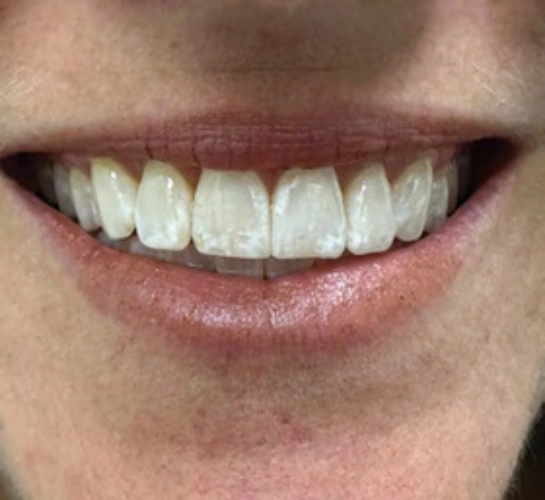
When patients ask about teeth implants, they want clear answers. They want to know what to expect, how the process works, and who will make their final restoration. These are exactly the right questions to ask.
At Dentek Digital, we fabricate high-quality implant restorations for dentists and dental practices across the Greater Phoenix, Arizona area. Our CAD/CAM-driven workflow means every restoration is designed and milled with precision. Furthermore, our team brings decades of combined lab experience to every case.
Whether your practice serves patients in Mesa, Scottsdale, Chandler, or Tempe, understanding how implant restorations are made can help you deliver better outcomes. In this guide, we break down what teeth implants involve and how a digital dental lab supports the process from start to finish.
What Are Teeth Implants?
Teeth implants are one of the most advanced tooth replacement options available today. They replace a missing tooth root with a small titanium post. Then, a custom restoration is placed on top to look and function like a natural tooth.
The implant itself is placed surgically by the treating dentist or specialist. However, the crown, bridge, or other restoration that sits on the implant is fabricated by a dental lab. That final restoration is what patients see and feel every day.
Because of this, the quality of the lab work matters enormously. A poorly made crown can cause bite issues, discomfort, and aesthetic problems. On the other hand, a precisely fabricated restoration fits well, looks natural, and lasts longer.
The Role of the Dental Lab in Implant Restorations
Most patients do not realize how much a dental lab influences their implant outcome. The lab receives detailed scans and case information from the dentist. Next, skilled technicians use that data to design and mill a custom restoration.
At Dentek Digital, we use advanced CAD/CAM technology for every implant case. CAD/CAM stands for computer-aided design and computer-aided manufacturing. In short, it means we use digital tools to design and fabricate restorations with a high degree of accuracy.
Additionally, our digital workflow reduces human error compared to traditional methods. The result is a restoration that fits more predictably and requires fewer adjustments at chairside.
Why Digital CAD/CAM Technology Matters for Implants
Traditional dental labs relied heavily on manual processes and physical impressions. Digital labs like Dentek Digital have moved far beyond that. We work with digital scans, 3D design software, and precision milling machines.
This approach offers real advantages for implant cases. For example, digital scans capture fine details that traditional impressions can miss. As a result, the restoration fits more accurately right from the start.
Moreover, our digital workflow allows for faster turnaround times without sacrificing quality. Dentists in the Phoenix area can send us a case digitally and receive a finished restoration in a predictable timeframe.
Materials We Use for Implant Restorations
Material selection plays a major role in implant restoration quality. We work with a range of high-performance materials suited for implant cases. These include zirconia, lithium disilicate, and other advanced ceramics.
Zirconia is a popular choice for implant crowns because it is extremely strong and tooth-colored. Therefore, it works well in both anterior and posterior positions. It can handle the forces of chewing while still looking natural.
Lithium disilicate offers excellent aesthetics and is often used for front teeth restorations. Additionally, we can layer materials to achieve highly lifelike results for cases where appearance is the top priority.
The Implant Restoration Process: Step by Step
Understanding the workflow helps dentists communicate better with their patients. It also helps practices plan cases more effectively. Here is a simplified overview of how the process works.
- Step 1: Implant Placement. The treating dentist or oral surgeon places the titanium implant post into the jawbone. A healing period follows to allow osseointegration, meaning the implant fuses with the bone.
- Step 2: Impression or Scan. Once the implant has integrated, the dentist takes a digital scan or physical impression of the implant site.
- Step 3: Case Submission. The dentist sends the case information to the dental lab. At Dentek Digital, we accept digital submissions for a streamlined workflow.
- Step 4: Design and Fabrication. Our technicians use CAD/CAM software to design the custom restoration. Then, we mill or print the restoration from the chosen material.
- Step 5: Delivery and Placement. The finished restoration is returned to the dentist. Finally, the dentist places and adjusts the crown or bridge at the patient’s appointment.
Each step depends on clear communication between the dentist and the lab. Because of this, we prioritize open collaboration with every practice we work with.
Implant Planning with Digital Technology
At Dentek Digital, we also offer digital implant planning services. This means we can help dentists visualize the implant case before any surgery takes place. As a result, the entire treatment can be mapped out with greater precision.
Digital implant planning uses 3D imaging data to identify the ideal implant position. This helps avoid critical structures and ensures the final restoration fits the overall bite correctly. Therefore, planning ahead reduces complications and improves outcomes.
Practices in Scottsdale, Chandler, Mesa, and Tempe have found this service especially valuable for complex cases. Moreover, it gives patients greater confidence when they can see a visual plan before treatment begins.
What Makes a High-Quality Implant Restoration?
Not all implant restorations are created equal. Several factors separate a high-quality result from an average one. Understanding these factors can help dentists make better decisions when choosing a lab partner.
Fit and Occlusion
A well-fitting restoration seats cleanly on the implant abutment. Additionally, it aligns correctly with the opposing teeth. Poor occlusion, meaning an uneven bite, can cause long-term problems for the patient.
Our digital workflow ensures that each restoration is designed with the patient’s specific bite in mind. Therefore, chairside adjustments are minimized and the patient experience is improved.
Aesthetics and Shade Matching
For visible teeth, aesthetics matter as much as function. A restoration that does not match the surrounding teeth will stand out. On the other hand, a well-shaded crown blends seamlessly into the patient’s smile.
We use detailed shade information provided by the dentist to craft restorations that look natural. Furthermore, our technicians have deep expertise in aesthetic layering and characterization techniques.
Durability and Longevity
Patients invest significantly in teeth implants. They expect their restoration to last. Because of this, we only use high-quality materials that are proven to withstand daily use.
Proper material selection, precise milling, and careful finishing all contribute to long-term durability. Additionally, a restoration that fits correctly is less likely to develop complications over time.
How Dentek Digital Supports Dentists in the Phoenix Area
Dentek Digital was one of the earliest adopters of the digital CAD/CAM workflow in the country. We have built our reputation on precision, reliability, and exceptional customer service. Moreover, we work exclusively with dental professionals, not directly with patients.
Our lab serves practices throughout the Greater Phoenix area, including communities in Mesa, Tempe, Chandler, Scottsdale, and beyond. We understand the unique needs of Arizona dental practices and the patients they serve.
In addition to implant restorations, we offer a full range of lab services. These include fixed restorations, removable prosthetics, splints, nightguards, and our exclusive TattooTH service. Therefore, dentists can rely on Dentek Digital as a single, trusted lab partner for virtually every case type.
Sending Us a Case Is Easy
We have designed our case submission process to be as simple as possible. Dentists can submit cases digitally, which saves time and reduces the risk of errors. Next, our team reviews each case carefully before fabrication begins.
We also provide clear communication throughout the process. If we have questions about a case, we reach out promptly. As a result, dentists spend less time troubleshooting and more time focused on patient care.
Frequently Asked Questions About Teeth Implants
What is the difference between an implant and an implant crown?
The implant is the titanium post placed in the jawbone by the dentist or surgeon. The implant crown is the visible restoration fabricated by the dental lab. Together, they replace a missing tooth completely.
How long does it take to receive a finished implant restoration from the lab?
Turnaround times vary depending on the complexity of the case and the materials selected. However, our digital workflow at Dentek Digital allows us to deliver restorations in a reliable and predictable timeframe. Contact our team for specific turnaround estimates.
What materials are best for implant crowns?
Zirconia is widely used for its strength and natural appearance. Lithium disilicate is another excellent option, especially for aesthetic cases. Additionally, hybrid materials are available for specific clinical needs. The best choice depends on the location of the tooth and the patient’s bite.
Can Dentek Digital help with complex multi-unit implant cases?
Yes. We regularly fabricate implant-supported bridges and full-arch restorations. Furthermore, our digital implant planning service supports more complex cases from the planning stage through final delivery.
Do you work with all major implant systems?
We work with a wide range of implant systems and connection types. Therefore, dentists using different implant brands can still partner with us for their lab work. Contact our team to discuss your specific system and case requirements.
Partner with Dentek Digital for Your Implant Cases
Teeth implants represent one of the most impactful treatments a dentist can provide. The quality of the lab-fabricated restoration plays a central role in the final outcome. Because of this, choosing the right lab partner is one of the most important decisions a practice can make.
At Dentek Digital, we combine advanced CAD/CAM technology with skilled craftsmanship to deliver restorations that meet the highest standards. Moreover, we are committed to supporting dental practices across the Greater Phoenix, Arizona area with reliable, responsive service.
If your practice is ready to elevate the quality of your implant restorations, we are here to help. Contact Dentek Digital today to send us a case or to discuss how we can support your implant workflow. We look forward to partnering with you and your patients.