
When patients ask about teeth implants, they want answers they can trust. They want to know what the process looks like, what makes a great result, and who is behind the restorations their dentist places. These are the right questions to ask. Understanding what goes into a high-quality implant restoration helps both patients and dental professionals make better decisions.
At Dentek Digital, we fabricate precision implant restorations for dentists and dental practices across the Greater Phoenix, Arizona area. Our lab uses advanced CAD/CAM technology to deliver restorations that fit accurately and look natural. We partner with dental professionals in Phoenix, Mesa, Scottsdale, Chandler, and beyond to support the best possible outcomes for their patients.
This guide covers everything you need to know about teeth implants — from how they work to what separates a good restoration from a great one. Whether you are a dental professional or an informed patient, this information will help you ask better questions and set realistic expectations.
What Are Teeth Implants and How Do They Work?
Teeth implants are one of the most advanced tooth replacement solutions available today. They replace a missing tooth from the root up. This means the restoration feels and functions more like a natural tooth than other options.
The implant itself is a small titanium post. A dental surgeon places it into the jawbone. Over time, the bone fuses with the post through a process called osseointegration. This creates a stable foundation for the final restoration.
The Role of the Dental Lab in Implant Restorations
Many people focus on the surgical side of implants. However, the restoration placed on top of the implant is equally important. This is where the dental lab plays a critical role.
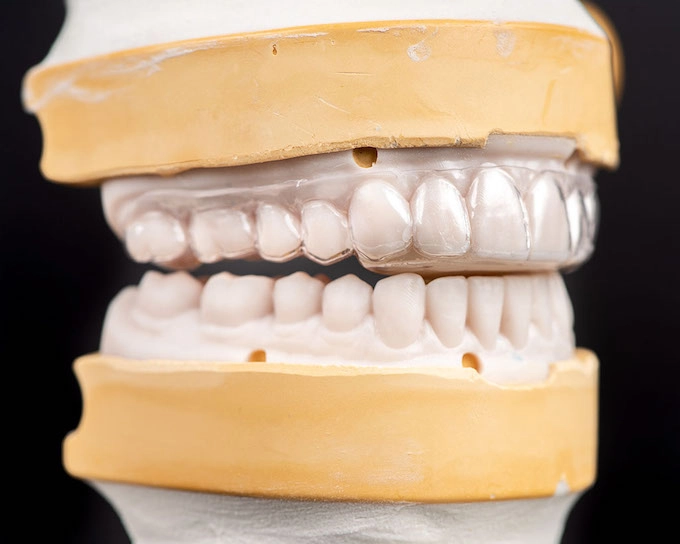
The lab fabricates the crown, bridge, or other prosthetic that attaches to the implant. At Dentek Digital, we use digital scanning data and CAD/CAM design software to engineer restorations with exceptional precision. As a result, the fit is accurate and the esthetics look natural.
Furthermore, our team brings deep expertise in implant-supported restorations. We work closely with dentists to ensure every component meets the highest standards before it reaches the patient.
Why the Quality of Your Implant Restoration Matters
Not all implant restorations are created equal. The materials used, the design process, and the lab’s skill level all affect the final outcome. Therefore, choosing the right lab partner is one of the most important decisions a dentist can make.
A poorly fitted crown can cause bite problems, discomfort, and long-term complications. On the other hand, a well-designed restoration integrates seamlessly with the patient’s existing dentition. It looks natural and functions reliably for years.
CAD/CAM Technology and Precision Fit
CAD/CAM stands for computer-aided design and computer-aided manufacturing. This technology allows labs like Dentek Digital to design restorations digitally with extreme accuracy. The digital workflow reduces human error and produces consistent, high-quality results.
Additionally, digital workflows allow for faster turnaround times. Dentists in Phoenix, Gilbert, and Tempe can submit cases digitally and receive finished restorations more efficiently. This benefits the patient and the practice alike.
Moreover, CAD/CAM milling and 3D printing technologies allow us to work with a wide range of premium materials. These include zirconia, lithium disilicate, and titanium components. Each material is selected based on the clinical needs of the case.
Materials That Make a Difference
The material used for an implant crown directly affects its durability and appearance. Zirconia is a popular choice because it is extremely strong and tooth-colored. It works well for both anterior and posterior restorations.
Lithium disilicate is another excellent option, especially for cases where esthetics are the top priority. It offers a translucent quality that closely mimics natural tooth structure. Because of this, it is often chosen for front teeth restorations.
Finally, some implant cases require titanium components, particularly at the abutment level. Titanium is biocompatible and durable, making it a trusted choice in implant dentistry.
Digital Implant Planning: A Game-Changer for Dentists
One of the most exciting developments in implant dentistry is digital implant planning. This process uses 3D imaging and digital software to plan the placement of implants before surgery begins. As a result, the entire treatment becomes more predictable.
At Dentek Digital, we offer advanced digital implant planning services. We work with dental professionals to analyze CBCT scans and digital impressions. Then, we help map out the ideal implant position for the best restorative outcome.
How Digital Planning Benefits the Patient
Digital implant planning reduces guesswork. The surgeon can visualize the final restoration before placing a single implant. Therefore, the placement is guided by the restorative goal, not the other way around.
This approach is sometimes called “restorative-driven implant placement.” It leads to better esthetics, better function, and a smoother overall treatment experience. Patients across the Greater Phoenix area benefit when their dentist uses a fully integrated digital workflow.
Additionally, digital planning can reduce chair time and surgical complexity. When everything is planned precisely in advance, the procedure tends to go more smoothly. This translates to a better experience for the patient and greater efficiency for the practice.
What Dentists Should Look for in a Dental Lab Partner
Choosing a dental lab is a significant decision for any dental practice. The lab you work with directly affects the quality of care you provide to your patients. Therefore, it is worth taking the time to evaluate your options carefully.
Here are key qualities to look for in a dental lab partner for implant restorations:
- Digital workflow capability: The lab should accept digital impressions and use CAD/CAM technology for design and fabrication.
- Implant expertise: Not every lab specializes in implant restorations. Look for a lab with proven experience in this area.
- Material quality: The lab should use premium, biocompatible materials from reputable suppliers.
- Communication: A great lab partner communicates clearly and responds promptly to clinical questions.
- Turnaround time: Efficient turnaround allows your practice to serve patients without unnecessary delays.
- Track record: Look for a lab with a strong reputation among dental professionals in your area.
Dentek Digital meets all of these criteria. We are recognized as a national leader in digital dentistry and were among the earliest adopters of the digital CAD/CAM workflow in the country. Dental practices in Phoenix, Mesa, Scottsdale, and Chandler trust us to deliver consistently excellent results.
TattooTH: Advanced Customization for Implant Restorations
One of our most unique offerings is TattooTH, an advanced customization service available for dental restorations. This technology allows us to add custom characterizations and surface textures to restorations. As a result, the final product can achieve an exceptionally lifelike appearance.
For implant patients who want their restoration to blend seamlessly with their natural teeth, TattooTH is an outstanding option. Furthermore, it gives the clinician a way to meet the highest esthetic demands of their most discerning patients.
If you are a dental professional looking to elevate your implant restorations to the next level, this is a service worth exploring. Contact our team to learn more about how TattooTH can benefit your practice and your patients.
Frequently Asked Questions About Teeth Implants
What is the difference between a dental implant and a dental crown?
A dental implant is the titanium post placed into the jawbone. A dental crown is the visible restoration that sits on top of the implant. Both components work together to replace a missing tooth effectively.
How long do implant restorations typically last?
With proper care and maintenance, implant restorations can last for many years. However, individual results vary based on oral hygiene, bite forces, and the quality of the restoration itself. High-quality materials and precise fabrication contribute significantly to longevity.
Can my dentist submit implant cases digitally to Dentek Digital?
Yes. We accept digital case submissions and work with a fully digital workflow. Dentists across the Greater Phoenix area can send cases efficiently and receive restorations with fast, reliable turnaround times.
What implant systems does Dentek Digital work with?
We work with a broad range of implant systems and components. Our team has the expertise to fabricate restorations that are compatible with most major implant platforms. Contact us to discuss your specific case requirements.
How does digital implant planning improve treatment outcomes?
Digital implant planning allows the surgeon and restorative dentist to collaborate before treatment begins. The implant is placed with the final restoration in mind. Therefore, the result is more predictable and the esthetic outcome is typically superior.
Partner with Dentek Digital for Exceptional Implant Restorations
Teeth implants represent one of the most significant investments a patient can make in their oral health. The quality of the restoration plays a major role in how successful that investment turns out to be. Therefore, every dentist deserves a lab partner who takes that responsibility seriously.
At Dentek Digital, we combine advanced CAD/CAM technology with skilled craftsmanship and deep implant expertise. We serve dental professionals across Phoenix, Mesa, Tempe, Scottsdale, Chandler, Gilbert, and the entire Greater Phoenix area. Our goal is simple: to help you deliver the best possible outcomes for your patients.
If you are ready to elevate your implant restorations, we are ready to help. Contact Dentek Digital today to send us a case or explore how our digital dental lab services can support your practice. We look forward to partnering with you.