
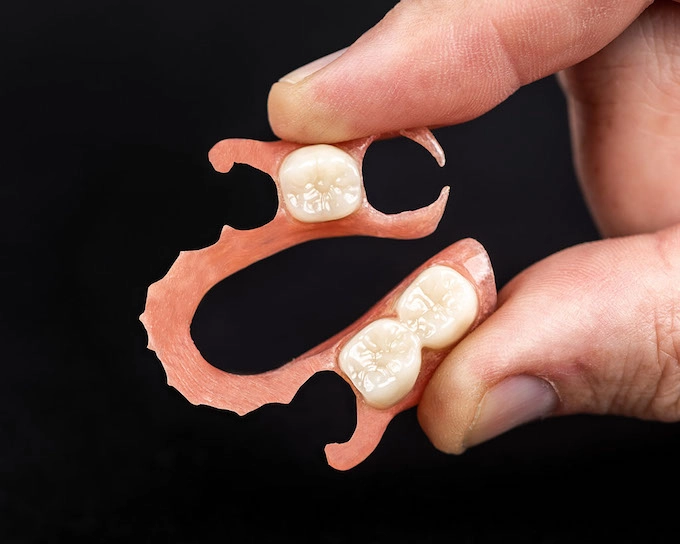
When patients lose a tooth, they want a solution that looks, feels, and functions like the real thing. Teeth implants have become the gold standard for replacing missing teeth. They restore confidence, improve chewing, and support long-term oral health.
However, the quality of an implant restoration depends heavily on the dental lab behind it. Advanced digital fabrication makes a significant difference in fit, function, and aesthetics. Therefore, understanding how modern dental labs approach implant restorations is essential for any dental professional.
At Dentek Digital, we support dentists across the Greater Phoenix area — including Mesa, Tempe, Chandler, and Scottsdale — with precision-fabricated implant components. In addition, our CAD/CAM workflow ensures every restoration meets the highest standards of accuracy and craftsmanship.
What Are Teeth Implants and How Do They Work?
Teeth implants are titanium posts surgically placed into the jawbone. They act as artificial tooth roots. Over time, the bone fuses with the implant in a process called osseointegration.
Once the implant integrates, a dental professional attaches an abutment. Then, a crown is placed on top. The result is a restoration that closely mimics a natural tooth in both appearance and function.
Furthermore, implants help preserve jawbone density. When a tooth is lost, the bone beneath it can begin to deteriorate. Because of this, implants are often considered a healthier long-term option compared to bridges or dentures.
Components of a Dental Implant Restoration
A complete implant restoration has three main parts. First, there is the implant fixture itself — the titanium post in the bone. Next comes the abutment, which connects the implant to the final crown.
Finally, the crown is the visible portion of the restoration. This is where the dental lab plays a critical role. The crown must match the patient’s natural teeth in color, shape, and bite.
Moreover, modern labs use digital scanning and CAD/CAM technology to design and mill crowns with exceptional precision. As a result, the fit is more accurate than ever before.
Why CAD/CAM Technology Elevates Implant Restorations
CAD/CAM stands for computer-aided design and computer-aided manufacturing. This technology allows dental labs to design restorations digitally and mill them from high-quality materials. Additionally, it eliminates much of the manual guesswork in traditional lab work.
Dentek Digital was one of the earliest adopters of the CAD/CAM digital workflow in the country. Therefore, our team has developed deep expertise in producing implant restorations that fit predictably and look natural. We serve dental professionals throughout Phoenix, Scottsdale, Gilbert, and beyond.
The Digital Workflow Advantage
A digital workflow starts with a precise intraoral scan from the dental office. The scan data is then sent to our lab electronically. This removes the need for traditional impressions, which can introduce distortion.
Our technicians use that scan data to design the restoration in CAD software. Next, our milling machines fabricate the crown from a solid block of material. As a result, the fit is highly accurate from the very first try.
Additionally, digital records can be stored and referenced if a remake or adjustment is ever needed. This makes the entire process more efficient for both the lab and the dental practice.
Materials Used in Implant Crowns
The most common material for implant crowns today is zirconia. It is strong, biocompatible, and highly aesthetic. Furthermore, zirconia can be shaded to blend seamlessly with surrounding teeth.
Other materials include lithium disilicate and layered porcelain over zirconia. Each material has its own strengths. Therefore, the choice often depends on the location of the implant and the patient’s aesthetic goals.
At Dentek Digital, we work with dental professionals to select the right material for every case. On the other hand, we also accommodate specific material requests based on clinical preference.
Types of Implant Restorations We Fabricate
Teeth implants are not one-size-fits-all. Different clinical situations call for different restoration types. Meanwhile, digital technology allows us to fabricate each type with precision and consistency.
Single-Unit Implant Crowns
A single-unit crown replaces one missing tooth. It is the most common implant restoration. Moreover, it is often the simplest to design and fabricate when accurate scan data is provided.
We mill these crowns from high-strength zirconia or lithium disilicate. Then, our technicians finish and characterize each crown by hand. This combination of technology and craftsmanship produces natural-looking results.
Implant-Supported Bridges
When multiple adjacent teeth are missing, an implant-supported bridge is often the solution. Two or more implants anchor a bridge that spans the gap. Additionally, this option preserves more bone than a traditional tooth-supported bridge.
Digital design allows us to plan the bridge accurately across multiple implant positions. As a result, fit and occlusion are more predictable. We serve dental practices in Chandler, Tempe, and across the Phoenix metro area with these restorations.
Full-Arch Implant Restorations
Full-arch restorations, such as implant-supported overdentures or fixed full-arch bridges, are among the most complex restorations in dentistry. However, digital technology has made these cases significantly more manageable.
Our lab uses advanced scanning data and CAD/CAM milling to produce full-arch frameworks with precise fit. Furthermore, we offer digital implant planning support to help dental professionals prepare for these complex cases. This is one of our advanced service offerings at Dentek Digital.
Digital Implant Planning: A Smarter Approach
Planning is one of the most important steps in implant dentistry. Moreover, digital implant planning allows the dental team to visualize the final result before any surgery takes place. This leads to more predictable outcomes.
At Dentek Digital, we offer digital implant planning as an advanced service. We work directly with dental professionals in Mesa, Gilbert, Scottsdale, and throughout the Greater Phoenix area. Our team helps plan implant placement based on the ideal restorative position.
Because of this restorative-driven approach, the implant is placed where the crown needs to be — not just where the bone is easiest to access. Therefore, the final restoration fits better and looks more natural.
How Digital Planning Benefits the Dental Practice
Digital planning reduces surprises during the restorative phase. The dental professional has a clear picture of the expected outcome before the patient ever enters surgery. Additionally, it strengthens communication between the surgeon and the restorative dentist.
For dental practices in competitive markets, offering digitally planned implants can also enhance the patient experience. Patients appreciate being able to see their treatment plan visualized before it begins. Furthermore, it builds trust and supports case acceptance.
Tips for Dental Professionals: Getting the Best Implant Results
The quality of the final implant crown depends on several factors beyond the lab. Here are some practical tips for dental professionals working with a digital lab:
- Send accurate scan data. A high-quality intraoral scan is the foundation of a precise restoration. Ensure the margins and surrounding tissues are clearly captured.
- Include a bite registration. Accurate occlusal data helps the lab design a crown that fits the patient’s bite correctly.
- Communicate shade preferences clearly. Use a shade guide and include photos when possible. This helps the lab match the surrounding teeth accurately.
- Specify the implant system. Always include the implant brand, platform, and connection type. This ensures the correct components are used during fabrication.
- Discuss material preferences with the lab. Not all materials suit every clinical situation. A conversation with your lab technician can help guide the best choice.
Additionally, maintaining an open line of communication with your dental lab leads to better outcomes over time. We encourage dental professionals to contact Dentek Digital to discuss cases before submission when needed.
Why Partner With a Digital Dental Lab for Implant Cases?
Not all dental labs are equipped to handle the demands of implant restorations. Traditional labs may rely on analog techniques that introduce more variability. On the other hand, a fully digital lab like Dentek Digital uses technology to reduce that variability significantly.
We invest continuously in the latest CAD/CAM equipment and materials. Furthermore, our team includes highly skilled technicians who combine digital precision with artisan finishing. The result is a restoration that performs reliably and looks exceptional.
Dental practices across Phoenix, Chandler, Tempe, and Mesa trust us for their most demanding implant cases. Moreover, our digital-first approach means faster turnaround times without sacrificing quality.
Frequently Asked Questions About Teeth Implants
What makes teeth implants better than other tooth replacement options?
Teeth implants are anchored in the jawbone, which helps preserve bone density. They function like natural teeth and do not rely on adjacent teeth for support. Additionally, they are designed to be a long-lasting solution with proper care.
How does a digital dental lab improve implant crown quality?
A digital lab uses CAD/CAM technology to design and mill restorations from precise scan data. This reduces human error and produces a more accurate fit. Furthermore, digital workflows allow for consistent, repeatable results across cases.
What implant systems does Dentek Digital work with?
We work with a wide range of implant systems and platforms. Therefore, dental professionals should always include the implant brand and connection type when submitting a case. Our team will confirm compatibility before fabrication begins.
Can Dentek Digital help with full-arch implant cases?
Yes. We fabricate full-arch implant restorations and also offer digital implant planning as an advanced service. We work closely with dental professionals to ensure the restorative and surgical phases align seamlessly.
How do I send an implant case to Dentek Digital?
Dental professionals can submit cases digitally through our online case submission portal. Additionally, our team is available to discuss case details before submission. We serve dental practices throughout the Greater Phoenix area and beyond.
Partner With Dentek Digital for Precision Implant Restorations
Teeth implants represent one of the most rewarding areas of modern dentistry. However, achieving consistently excellent results requires a skilled, technology-driven lab partner. Dentek Digital combines advanced CAD/CAM fabrication with experienced craftsmanship to deliver restorations dental professionals can rely on.
We are proud to serve dental practices in Phoenix, Scottsdale, Mesa, Tempe, Chandler, Gilbert, and across Arizona. Furthermore, our team is always ready to collaborate on complex cases and provide the support your practice needs.
Explore your options and take the next step toward better implant outcomes for your patients. Reach out to the Dentek Digital team today to get started with your next implant case.