
When patients ask about teeth implants, they want more than a replacement tooth. They want a restoration that looks natural, fits precisely, and lasts for years. That is a high standard. Meeting it takes the right lab partner, the right technology, and a well-planned workflow.
At Dentek Digital, we support dentists and dental practices across the Greater Phoenix, Arizona area — including communities like Mesa, Chandler, Scottsdale, and Gilbert. We fabricate implant restorations using advanced CAD/CAM technology and digital workflows refined over many years of industry-leading experience.
In this post, we break down what makes a quality implant restoration, how digital dentistry has changed the process, and what dental professionals should look for in a lab partner. Whether you are expanding your implant services or refining your current approach, this guide offers practical, expert insight.
Understanding Teeth Implants and How They Work
A dental implant system has three main parts. First, there is the implant fixture, which is a small titanium post placed into the jawbone. Next comes the abutment, which connects the fixture to the crown. Finally, the restoration itself — typically a custom crown — sits on top and functions like a natural tooth.
Each component must work together precisely. Therefore, the quality of the final restoration depends heavily on how well it is designed and fabricated. This is where a skilled digital dental lab makes a critical difference.
Why Precision Matters in Implant Restorations
Implant restorations require exceptional fit accuracy. Because the implant is fixed in bone, there is very little room for margin error. A poorly fitting crown can cause complications for both the patient and the clinician.
Additionally, the occlusion — how the implant crown meets opposing teeth — must be carefully balanced. At Dentek Digital, our CAD/CAM workflow allows us to design restorations with a level of precision that traditional methods simply cannot match. Furthermore, digital files make communication between the lab and the dentist faster and more reliable.
How CAD/CAM Technology Elevates Implant Fabrication
CAD/CAM stands for Computer-Aided Design and Computer-Aided Manufacturing. In simple terms, it means we use digital scans and design software to create restorations, then mill or print them from high-quality materials. As a result, every restoration is built to exact digital specifications.
Dentek Digital was one of the earliest adopters of the digital CAD/CAM workflow in the country. We have refined this process over many years. Moreover, our team combines advanced technology with skilled craftsmanship to deliver results that are both precise and aesthetically excellent.
Digital Scanning and Case Design
The digital workflow starts with a scan. Dentists can submit intraoral scans or traditional impressions. However, digital scans are faster and reduce the risk of distortion. Once we receive the case, our technicians design the restoration using sophisticated 3D software.
This process allows us to visualize the final result before fabrication begins. Therefore, we can catch potential issues early and refine the design with input from the treating dentist. Meanwhile, the patient benefits from a more streamlined appointment experience.
Materials Used in Implant Crown Fabrication
Material selection plays a major role in the long-term success of a restoration. For implant crowns, common choices include zirconia, lithium disilicate, and layered porcelain. Each material has specific strengths.
For example, zirconia is known for its durability and is an excellent choice for posterior implant cases. On the other hand, layered porcelain can offer exceptional esthetics for anterior restorations. Our lab team helps dentists choose the right material based on the clinical situation and patient expectations.
What Dental Professionals Should Look for in a Lab Partner
Choosing the right dental lab is one of the most important decisions a practice can make. The lab you work with directly affects patient outcomes. Therefore, it is worth evaluating your lab partner carefully.
Here are key qualities to look for in a digital dental lab for implant restorations:
- Digital workflow capability: The lab should accept intraoral scan files and work natively in a digital environment.
- Experience with implant systems: Implant cases require familiarity with various implant platforms and connection types.
- Clear communication: The lab should provide timely updates and be easy to reach when questions arise.
- Consistent quality: Every case should meet the same high standard, not just the first few.
- Fast turnaround: Efficient production schedules help practices keep appointments on track.
Dentek Digital meets all of these standards. We serve dental practices across the Greater Phoenix area, including Scottsdale, Tempe, Gilbert, and Chandler, with a commitment to quality and consistency on every case.
The Importance of Lab-Clinician Communication
Great implant restorations come from great collaboration. When the dentist and lab technician communicate openly, the outcome improves significantly. Because of this, we encourage our partner dentists to share case notes, photos, and shade information with every submission.
Additionally, we are always available to discuss complex cases before fabrication begins. This proactive approach reduces remakes and helps the patient receive a restoration that fits beautifully the first time.
Implant Planning: Taking a Digital-First Approach
At Dentek Digital, we offer advanced digital implant planning services. This process uses 3D imaging data to map out the ideal implant position before surgery. As a result, the surgeon has a clear roadmap, and the final restoration can be planned in advance.
Digital implant planning is especially valuable for complex cases involving multiple implants or limited bone volume. Furthermore, it supports the fabrication of surgical guides, which help place implants with exceptional accuracy. This level of planning sets the stage for a restoration that fits precisely and functions naturally.
TattooTH: Advanced Implant Identification
Dentek Digital also offers TattooTH, an advanced service that embeds a unique digital identifier into the restoration itself. This gives dental professionals a powerful tool for patient record-keeping and implant identification over time.
TattooTH is one example of how we push beyond standard lab services. Moreover, it reflects our broader commitment to innovation in digital dentistry. Practices in Phoenix and surrounding communities like Mesa and Chandler are already benefiting from this technology.
Fixed Restorations and Other Dental Lab Services
While implant restorations are a major focus, Dentek Digital offers a full range of dental lab services. Our solutions support a wide variety of clinical needs. Therefore, practices can rely on us as a single, trusted source for multiple restoration types.
Our core services include:
- Fixed Restorations: Crowns, bridges, and veneers fabricated with CAD/CAM precision.
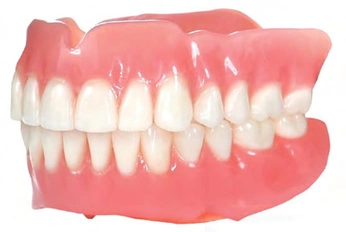
- Removables: Full and partial dentures designed for comfort and aesthetics.
- Splints and Nightguards: Protective appliances built for durability and fit.
- Dental Implants: Implant crowns, custom abutments, and implant-supported restorations.
Each of these services uses the same digital-first workflow. As a result, dentists across the Greater Phoenix area — from Gilbert to Tempe — receive consistent, high-quality restorations regardless of case type.
Frequently Asked Questions About Teeth Implants and Digital Lab Services
What is the difference between a traditional and digital implant workflow?
A traditional workflow uses physical impressions and manual fabrication. A digital workflow uses intraoral scans and CAD/CAM technology. Additionally, digital workflows tend to be faster, more accurate, and easier to track from design to delivery.
How do I submit an implant case to Dentek Digital?
You can submit cases digitally using your intraoral scanner or send physical impressions. Our team will guide you through the process. Furthermore, we accept files from most major scanner platforms used by dental practices today.
What implant systems does Dentek Digital work with?
We work with a wide range of implant platforms and connection types. Because of this, we can support most implant cases that come through your practice. Contact our team directly to confirm compatibility with your specific system.
How long does it take to receive an implant restoration?
Turnaround times vary based on case complexity and the type of restoration needed. However, our digital workflow allows us to work efficiently without sacrificing quality. We keep our partner practices informed throughout the process.
Can Dentek Digital help with complex or full-arch implant cases?
Yes. We specialize in both single-unit and full-arch implant restorations. Moreover, our digital implant planning service is particularly valuable for comprehensive cases. We work closely with the dentist to plan and fabricate every component with precision.
Partner with Dentek Digital for Exceptional Implant Restorations
Teeth implants represent one of the most impactful services a dental practice can offer. However, the quality of the outcome depends significantly on the lab behind the restoration. A precise fit, the right material, and a collaborative workflow make all the difference.
Dentek Digital brings decades of digital dentistry expertise to every case. We serve dental practices across the Greater Phoenix area, including Scottsdale, Mesa, Chandler, Gilbert, and Tempe. Our team is ready to support your implant cases from planning through final delivery.
Ready to elevate the quality of your implant restorations? Contact Dentek Digital today to send us a case or request a consultation with our team.