
When patients ask their dentist about the best implants available, the answer goes well beyond brand names. It comes down to precision, materials, planning, and the quality of the restoration that crowns the implant. These factors determine how well an implant looks, functions, and lasts over time.
At Dentek Digital, we work with dental practices across the Greater Phoenix area — including Mesa, Tempe, Scottsdale, and Chandler — to deliver implant restorations built on advanced CAD/CAM technology. We understand what makes implant cases succeed at the lab level.
Therefore, whether you are a dentist researching implant workflows or simply want to understand what separates a good implant outcome from a great one, this guide covers what matters most.
What Makes an Implant Truly the Best?
Not all implants are created equal. However, the implant fixture itself is only one part of the equation. The crown, bridge, or overdenture placed on top of that implant plays a critical role in long-term success.
Additionally, the planning process, the surgical precision, and the quality of the lab restoration all work together. When any one of these elements falls short, outcomes suffer. Because of this, dentists increasingly rely on digital workflows to reduce variables and improve consistency.
The Role of the Implant Fixture
The implant fixture is the titanium post placed into the jawbone. It serves as the root of the replacement tooth. High-quality fixtures come from reputable manufacturers and are engineered for osseointegration — the process by which bone fuses with the implant surface.
Moreover, the connection type between the fixture and the abutment matters. Internal connections tend to offer greater stability and reduce micro-movement at the interface. This is important for both function and long-term tissue health.
The Restoration: Where the Lab Makes the Difference
Once the fixture integrates, the restoration takes center stage. This is the visible component — the crown, bridge, or prosthetic — that patients see and use every day. Furthermore, it is the part that a dental lab fabricates.
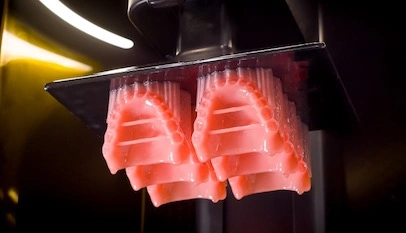
At Dentek Digital, we use advanced CAD/CAM technology to design and mill implant restorations with exceptional accuracy. As a result, our restorations fit with precision, reducing the need for chair-side adjustments and supporting better soft tissue outcomes.
Digital Planning: The Foundation of a Successful Implant Case
One of the most important shifts in modern implant dentistry is the move toward digital planning. In the past, implant placement relied heavily on two-dimensional X-rays and manual techniques. Today, digital tools allow for three-dimensional planning before the patient enters the surgical suite.
For example, cone beam CT imaging combined with digital implant planning software allows dentists to visualize bone volume, nerve positions, and ideal implant angulation in advance. This level of planning reduces surgical risk and improves predictability.
Dentek Digital’s Implant Planning Services
We offer digital implant planning as part of our advanced services. This means we work alongside dental practices in the Phoenix metro — including those in Gilbert and Scottsdale — to plan cases collaboratively before fabrication begins.
Additionally, our planning workflow integrates directly with our CAD/CAM restoration process. Therefore, the restoration is designed with the surgical plan in mind from the very start. This produces better-fitting, better-looking results for patients.
Guided Surgery and Its Benefits
Digital planning also enables the creation of surgical guides. These guides direct implant placement to match the pre-planned position exactly. As a result, the final restoration seats more accurately and with less adjustment needed at delivery.
Moreover, guided surgery reduces operator variability. This is especially valuable in complex cases involving multiple implants or limited bone availability. In addition, it streamlines the overall treatment timeline for the patient.
Materials Used in High-Quality Implant Restorations
The material chosen for an implant crown or bridge affects durability, aesthetics, and fit. Today, dental labs have access to a range of high-performance materials that were not available just a decade ago.
Furthermore, CAD/CAM milling has expanded the precision with which these materials can be shaped. This means fewer compromises between strength and appearance. Below are the most commonly used materials for implant restorations.
Zirconia
Zirconia is widely regarded as one of the strongest materials available for implant crowns and bridges. It is tooth-colored, biocompatible, and highly resistant to fracture. Because of this, it is often the first choice for posterior implant restorations where chewing forces are highest.
Additionally, modern high-translucency zirconia offers excellent aesthetics. It can be used in anterior cases where appearance is a priority. At Dentek Digital, we mill zirconia restorations to tight tolerances using our advanced CAD/CAM equipment.
PFM and Full-Cast Options
Porcelain-fused-to-metal (PFM) restorations remain a reliable option in certain clinical scenarios. They offer good aesthetics combined with metal substructure strength. On the other hand, full-cast metal restorations are sometimes used in low-visibility areas where strength is the primary concern.
However, zirconia has largely replaced these options for implant crowns in most modern workflows. Each case is unique, and material selection should always be guided by clinical needs and patient expectations.
The CAD/CAM Advantage in Implant Restorations
CAD/CAM stands for computer-aided design and computer-aided manufacturing. This technology allows dental labs to design restorations digitally and mill them from high-quality material blocks using automated precision machinery.
Therefore, the margin of error is dramatically reduced compared to traditional hand-fabricated restorations. Moreover, digital files can be archived, allowing restorations to be reproduced with consistency if needed in the future.
How Dentek Digital Uses CAD/CAM
Dentek Digital was among the earliest adopters of the digital CAD/CAM workflow in the country. We have refined our process over years of fabricating restorations for dental practices across the Greater Phoenix area, including those in Mesa, Tempe, and Chandler.
First, we receive a digital scan or impression from the dental practice. Next, our technicians use specialized software to design the restoration. Then, our milling equipment fabricates the restoration from the selected material. Finally, our team inspects and finishes each piece before it ships.
Scanning and Digital Impressions
Digital impressions have largely replaced traditional putty-based impressions in modern practices. They are faster, more comfortable for patients, and more accurate. Additionally, digital files transfer directly to the lab without physical shipping delays.
For implant cases specifically, accurate scanning of the implant position is essential. We work with most major intraoral scanner platforms and can guide practices on best scanning protocols for implant cases.
Common Implant Restoration Types We Fabricate
Dental implants support several types of restorations depending on the patient’s needs. Understanding the options helps dental teams communicate choices clearly with patients and plan cases more effectively.
- Single implant crowns: Used to replace one missing tooth. These are the most common implant restoration type.
- Implant-supported bridges: Used when two or more adjacent teeth are missing. Implants anchor the bridge at each end.
- Implant-retained overdentures: A removable prosthesis that snaps onto implants for improved stability over traditional dentures.
- Full-arch fixed restorations: Also known as All-on-X or hybrid prostheses, these replace an entire arch of teeth supported by multiple implants.
Furthermore, each of these restoration types benefits from the precision of CAD/CAM fabrication. At Dentek Digital, we fabricate all of these restoration types for dental practices throughout the Phoenix metro.
TattooTH: Advanced Implant Identification
One of our most unique offerings is TattooTH — a proprietary service that allows dental professionals to mark implant restorations with invisible or visible identifiers. This is especially useful in full-arch and complex implant cases.
Additionally, TattooTH supports forensic identification, patient safety documentation, and practice differentiation. It is one of many ways Dentek Digital goes beyond standard lab services to deliver added value for dental practices.
Frequently Asked Questions About Implant Restorations
What is the difference between an implant and an implant crown?
The implant is the titanium post surgically placed in the jawbone. The implant crown is the visible restoration placed on top of the implant after healing. Both components are essential, but they serve different functions and are typically handled by different providers.
How long do implant restorations last?
With proper care and a well-fabricated restoration, implant crowns can last many years. However, longevity depends on material selection, occlusal forces, patient hygiene habits, and the precision of the original fabrication. There is no guaranteed lifespan for any restoration.
What materials are best for implant crowns?
Zirconia is currently one of the most popular choices due to its strength, aesthetics, and biocompatibility. However, the best material depends on the clinical situation, location in the mouth, and the patient’s bite and cosmetic expectations. Your dental lab technician can help guide this decision.
How does digital planning improve implant outcomes?
Digital planning allows the dentist to visualize and simulate implant placement before surgery. As a result, the implant is placed in the ideal position for both function and restoration. This reduces complications and supports better long-term outcomes.
Can Dentek Digital work with my intraoral scanner?
Yes. We work with most major intraoral scanner platforms used by dental practices in the Greater Phoenix area, including those in Scottsdale, Gilbert, and Tempe. Contact our team to confirm compatibility and discuss your preferred workflow.
Partner With a Lab That Understands Implant Excellence
Delivering the best implants to your patients requires more than a good fixture. It requires precision planning, quality materials, and a lab partner that understands every step of the digital workflow. Dentek Digital brings all of these elements together for dental practices throughout Phoenix, Mesa, Chandler, and beyond.
Furthermore, our team is available to consult on complex cases, discuss material options, and help practices refine their implant workflows. We are committed to supporting better patient outcomes through technology, craftsmanship, and partnership.
Ready to elevate your implant cases? Contact Dentek Digital today to send us a case or start a conversation about how we can support your practice.