
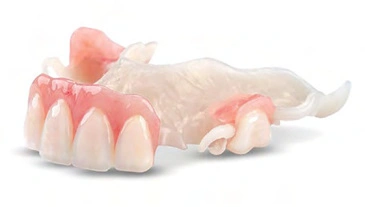
When dental professionals search for the best implants and implant restorations for their patients, quality and precision are always the top priorities. Choosing the right lab partner makes a significant difference in long-term outcomes. Therefore, understanding what separates a good implant restoration from a great one is essential for every dental practice.
At Dentek Digital, we fabricate high-quality implant restorations for dentists across the Greater Phoenix, Arizona area. Our team combines advanced CAD/CAM technology with skilled craftsmanship. As a result, we consistently deliver restorations that fit precisely and perform reliably.
In this post, we explore what defines the best implants and implant restorations available today. We also explain how a digital dental lab can support your practice and your patients at every step.
What Makes the Best Implants Stand Out?
Not all implant restorations are created equal. The best implants depend on several key factors working together. These include material quality, digital accuracy, and the skill of the lab team fabricating the restoration.
Furthermore, the workflow your lab uses plays a major role. A digital CAD/CAM workflow reduces human error and improves consistency. Because of this, digital labs consistently outperform traditional labs in fit accuracy and turnaround time.
Material Quality Matters
High-quality implant restorations typically use materials like zirconia or lithium disilicate. These materials offer excellent strength and natural aesthetics. Additionally, they resist wear and staining better than older alternatives.
Zirconia, in particular, is a popular choice for implant crowns. It is strong, biocompatible, and highly aesthetic. Moreover, it performs well in both anterior and posterior positions.
Fit and Precision Are Non-Negotiable
A well-fitting implant crown or bridge is critical for long-term success. Poor marginal fit can lead to complications over time. Therefore, precision at every stage of fabrication is essential.
Digital scanning and CAD/CAM milling allow labs to achieve extremely tight tolerances. At Dentek Digital, we use this technology every day. Our restorations are designed to seat predictably and perform consistently.
How CAD/CAM Technology Elevates Implant Restorations
CAD/CAM stands for Computer-Aided Design and Computer-Aided Manufacturing. It is the foundation of modern digital dental labs. In short, it means that restorations are designed on a computer and milled by a precision machine.
This approach offers several important advantages over traditional methods. First, it eliminates many variables introduced by manual fabrication. Next, it allows for faster turnaround without sacrificing quality. Finally, it produces restorations that are consistent and repeatable.
Digital Workflows Benefit the Entire Practice
When a dental practice uses digital impressions, the workflow becomes seamless. The scan data moves directly from the practice to the lab. As a result, there is no need for physical impressions or models.
This saves time for both the dentist and the patient. Additionally, it reduces the chance of errors caused by distorted impressions. Digital files are precise, stable, and easy to share.
Dentek Digital’s CAD/CAM Advantage
Dentek Digital was one of the earliest adopters of the digital CAD/CAM workflow in the country. We have refined our process over many years. Therefore, our team brings deep experience to every case we handle.
We serve dental practices throughout the Greater Phoenix area, including communities like Scottsdale, Chandler, Tempe, and Gilbert. Our lab is equipped with advanced milling and design technology. Moreover, our technicians are skilled in handling complex implant cases.
Types of Implant Restorations We Fabricate
The best implant restorations come in several forms. Each serves a different clinical need. Understanding the options helps dentists choose the right solution for each patient.
Implant Crowns
Single-unit implant crowns are among the most common restorations we fabricate. They replace a single missing tooth on an implant fixture. Additionally, they are available in a range of materials to match the patient’s aesthetic and functional needs.
We design each crown using detailed scan data and clinical specifications. Our CAD/CAM process ensures a precise fit at the implant interface. Because of this, seating is predictable and reliable.
Implant Bridges
Implant-supported bridges replace multiple missing teeth. They are anchored by two or more implants. Furthermore, they eliminate the need for a removable partial denture in many cases.
Fabricating an implant bridge requires careful attention to occlusion and esthetics. Our team designs each bridge with both function and appearance in mind. As a result, patients receive restorations that look natural and perform well.
Full-Arch Implant Restorations
Full-arch restorations, such as All-on-4 or implant-supported dentures, are more complex. However, they offer life-changing results for patients with significant tooth loss. These cases require a high level of planning and precision.
At Dentek Digital, we support full-arch implant cases with advanced digital planning tools. We also offer implant planning services to help dentists prepare for complex cases. Therefore, your team has the support it needs from start to finish.
The Role of Digital Implant Planning
Digital implant planning is a powerful tool for modern dental practices. It allows dentists to visualize the entire case before any surgery begins. Moreover, it helps identify potential challenges early in the process.
Using CBCT scan data and digital planning software, our team can map out implant positions with precision. This information guides the surgical phase and the restorative phase. As a result, the final restoration fits the implant position as intended.
How Planning Improves Outcomes
When implants are placed using a well-designed plan, restorations fit better. Additionally, patients experience fewer complications. Planning also helps ensure the implant position supports the best possible esthetic outcome.
Furthermore, digital planning saves time in the operatory. Surgeons can work more efficiently with a clear roadmap. On the other hand, cases without adequate planning often require more adjustments and remakes.
Supporting Dentists in Phoenix and Beyond
Our team supports implant planning for dental practices throughout the Greater Phoenix area. Whether your practice is in Mesa, Scottsdale, or Gilbert, we are ready to assist. We work closely with dentists to ensure every case is set up for success.
In addition, our lab serves practices in communities like Tempe and Chandler. We understand the needs of dental professionals in this region. Therefore, we tailor our services to support their specific workflows and patient populations.
Tips for Choosing the Right Implant Lab Partner
Selecting a lab partner for implant cases is an important decision. The right lab can elevate your practice and improve patient outcomes. Here are some key qualities to look for:
- Digital workflow capability: Your lab should use CAD/CAM technology for precision and consistency.
- Material options: Look for a lab that offers zirconia, lithium disilicate, and other high-performance materials.
- Clear communication: A good lab communicates proactively and responds quickly to questions.
- Experience with complex cases: Implant cases require specialized skill. Choose a lab with a proven track record.
- Reliable turnaround times: Your patients’ schedules matter. Your lab should deliver on time, consistently.
Additionally, consider whether the lab offers digital implant planning services. This added capability can streamline your workflow significantly. Moreover, it positions your practice to handle more complex cases with confidence.
Frequently Asked Questions About Implant Restorations
What materials are used for the best implant crowns?
Zirconia and lithium disilicate are two of the most widely used materials for implant crowns. Zirconia offers excellent strength and durability. Lithium disilicate provides outstanding aesthetics, particularly for anterior cases.
How does a digital lab improve implant restoration accuracy?
Digital labs use CAD/CAM technology to design and mill restorations from precise scan data. This eliminates many manual variables. As a result, margins are tighter and fit is more predictable than with traditional methods.
Can Dentek Digital support full-arch implant cases?
Yes. We fabricate full-arch implant restorations and offer digital implant planning services. Our team has experience with complex multi-unit cases. Therefore, we can support your practice from planning through final delivery.
How do I send a case to Dentek Digital?
Sending a case is simple. You can submit digital scan data or traditional impressions, depending on your workflow. Our team will guide you through the process and keep you informed at every step.
Does Dentek Digital serve practices outside of Phoenix?
Yes. While we are based in Phoenix, Arizona, we work with dental practices across the country. Our digital workflow makes it easy to collaborate with practices regardless of location.
Partner with Dentek Digital for the Best Implant Restorations
Finding the best implants and implant restorations for your patients starts with choosing the right lab. Dentek Digital combines advanced CAD/CAM technology with experienced craftsmanship. Therefore, we consistently deliver results that meet the highest standards in digital dentistry.
We are proud to serve dental practices throughout the Greater Phoenix area, including Scottsdale, Mesa, Tempe, Chandler, and Gilbert. Our team is ready to support your next implant case with precision and care. Moreover, we offer a full range of implant services, from single crowns to full-arch restorations and digital planning.
Ready to elevate your implant cases? Contact Dentek Digital today and let our team support your next case with the quality and precision your patients deserve.