
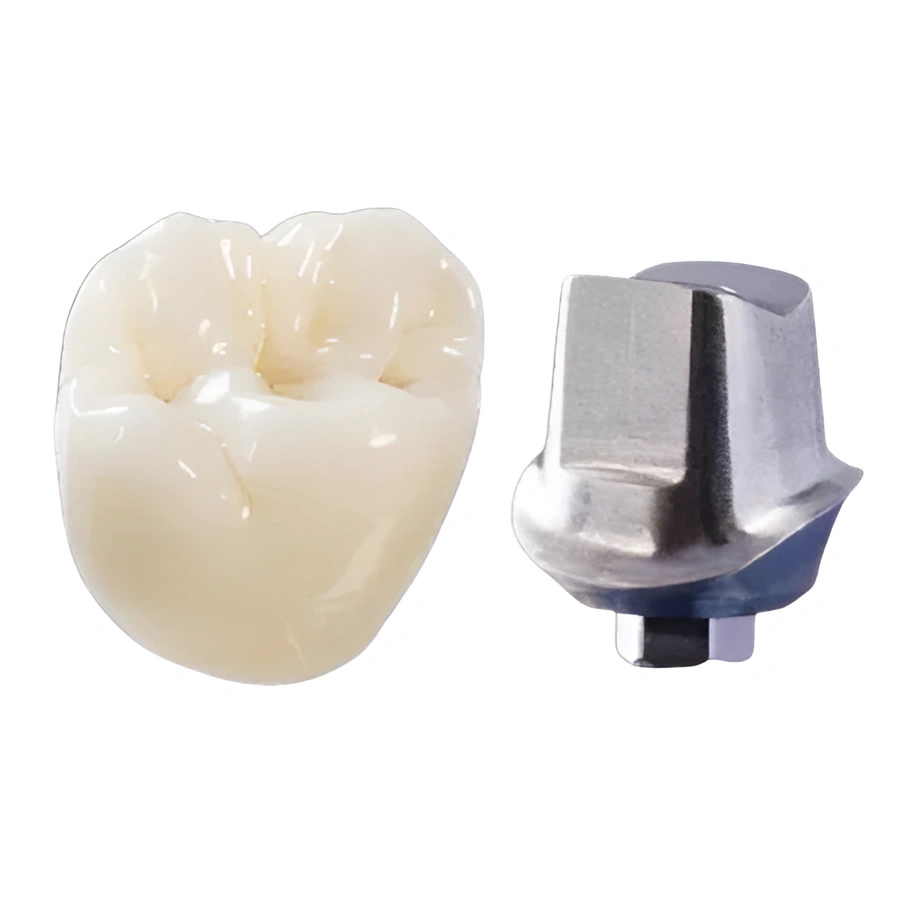
When dental professionals ask about the best implants, they are really asking a deeper question. What combination of planning, components, and lab craftsmanship delivers the most reliable, natural-looking result? Therefore, the answer goes beyond a brand name or a single product. It starts with the entire restoration workflow.
At Dentek Digital, we work with dentists across the Greater Phoenix area — from Scottsdale to Chandler and beyond — to fabricate implant restorations that meet the highest standards. Moreover, our digital CAD/CAM workflow gives every case a level of precision that traditional methods simply cannot match.
In this guide, we break down what separates good implant restorations from truly exceptional ones. Additionally, we share what dentists should look for when choosing a digital lab partner for their implant cases.
What Makes the Best Implants Stand Out
Not all implant restorations are created equal. First, the implant component itself must integrate well with the patient’s bone. However, the crown, abutment, and overall restoration design are equally important to the final outcome.
The best implants combine strong osseointegration potential with a precisely fabricated restoration on top. As a result, the patient experiences better function, a natural appearance, and long-term comfort.
The Role of the Dental Lab in Implant Quality
Many dentists focus on the surgical side of implants. However, the lab side is just as critical. A skilled digital lab ensures that the abutment fits precisely, the crown is shaped correctly, and the occlusion — how the teeth come together — is properly balanced.
At Dentek Digital, we use advanced CAD/CAM technology to design and mill every implant restoration with exceptional accuracy. Furthermore, our team reviews each case individually to catch potential fit or design issues before the restoration reaches your chair.
This level of attention makes a significant difference. For example, a poorly designed implant crown can cause bite problems, gum irritation, or early failure. On the other hand, a precisely crafted restoration supports long-term success.
Digital Planning: The Foundation of Great Implant Outcomes
One of the most important advances in implant dentistry is digital implant planning. Instead of relying on estimates and manual measurements, digital planning uses three-dimensional imaging to map the patient’s anatomy with precision.
Because of this, dentists can place implants in the optimal position from the start. Additionally, digital planning reduces surprises during surgery and improves communication between the dentist and the lab.
How CAD/CAM Technology Elevates Implant Restorations
CAD/CAM stands for Computer-Aided Design and Computer-Aided Manufacturing. In simple terms, it means we design restorations digitally and mill them from high-quality material blocks using precise computerized equipment.
This process produces restorations with extremely tight tolerances. Therefore, the fit is more accurate than many traditional methods allow. Meanwhile, the materials used — such as zirconia — offer strength and aesthetics that perform well in the long term.
Dentists in Mesa, Tempe, and Gilbert are increasingly asking their lab partners about CAD/CAM capabilities. In addition, practices in Scottsdale and Chandler are adopting digital workflows to meet growing patient expectations for quality and efficiency.
Digital Implant Planning at Dentek Digital
Dentek Digital offers advanced digital implant planning as part of our services. We collaborate closely with the treating dentist to review the case, assess the anatomy, and design a restoration plan that supports ideal placement and long-term function.
This service benefits both the dentist and the patient. Furthermore, it helps practices deliver a more consistent, predictable result across their implant cases.
Choosing the Right Implant Restoration Type
There are several types of implant restorations available today. First, it helps to understand the most common options and when each one is appropriate.
- Single-unit implant crowns: Used to replace one missing tooth. These are the most common implant restorations and work well for most patients.
- Implant-supported bridges: Used when multiple adjacent teeth are missing. The bridge spans the gap and is anchored by implants on either side.
- Implant-retained dentures: A removable or fixed denture that attaches to implants for improved stability and comfort.
- Full-arch implant restorations: Used for patients who need a complete set of teeth replaced. These require careful planning and precise lab fabrication.
Each restoration type has specific design requirements. Therefore, partnering with a lab that specializes in implant restorations is essential for achieving the best outcomes.
Materials Matter: Zirconia and Beyond
Material selection plays a major role in implant restoration quality. Zirconia is currently one of the most popular choices. It is strong, tooth-colored, and biocompatible — meaning the body generally tolerates it well.
Moreover, zirconia can be milled to very precise specifications using CAD/CAM technology. Additionally, layered zirconia options allow for more natural-looking aesthetics in visible areas of the mouth.
Other materials, such as PFM (porcelain-fused-to-metal), are still used in some cases. However, modern zirconia options have largely replaced them for most implant applications due to better aesthetics and strength.
What Dentists Should Look for in a Lab Partner
Choosing the right dental lab is one of the most impactful decisions a practice can make. First, look for a lab with demonstrated expertise in implant restorations specifically. General lab experience is valuable, but implant cases have unique requirements.
Next, consider whether the lab uses a fully digital workflow. Digital labs offer faster turnaround times, more consistent results, and better communication tools. Furthermore, they can accept digital scans directly, eliminating the need for traditional impressions in many cases.
Key Questions to Ask Your Lab
- Do you offer digital implant planning support?
- What CAD/CAM systems do you use for milling?
- Can you work with my intraoral scanner?
- What materials do you recommend for full-arch implant cases?
- What is your average turnaround time for implant restorations?
These questions help clarify whether a lab is equipped to support your practice at a high level. Additionally, a responsive lab team is a strong indicator of good communication throughout the case process.
Why Dentek Digital Stands Apart
Dentek Digital was among the earliest adopters of the digital CAD/CAM workflow in the country. As a result, our team has deep experience across a wide range of implant restoration types and complexities.
We serve dentists and practices throughout the Greater Phoenix area, including communities in Mesa, Chandler, Gilbert, Tempe, and Scottsdale. Moreover, our commitment to quality craftsmanship means every case receives careful attention from skilled technicians who understand the nuances of implant work.
In addition to implant restorations, we offer fixed restorations, removables, splints and nightguards, and advanced services like TattooTH. Therefore, we function as a comprehensive lab partner for practices that want consistent, high-quality results across all case types.
Tips for Getting the Most from Your Implant Cases
Delivering excellent implant outcomes is a team effort. Here are some practical tips for dentists who want to consistently achieve the best results.
- Use digital impressions when possible. Intraoral scans eliminate the dimensional changes that can occur with traditional impression materials, resulting in better-fitting restorations.
- Communicate case details clearly. Provide your lab with shade information, occlusion notes, and patient-specific considerations for every case.
- Plan before you place. Digital implant planning tools allow you to choose the ideal implant position before surgery, which directly impacts how well the restoration fits and functions.
- Partner with a specialized lab. Not every dental lab has deep expertise in implant restorations. Therefore, choosing a lab with a proven implant track record matters.
- Schedule adequate lab time. Rushing an implant restoration can lead to compromised quality. Plan your timeline to allow the lab sufficient time for fabrication and quality checks.
Frequently Asked Questions About Implant Restorations
What is the difference between the implant and the restoration?
The implant is the titanium post that a surgeon places into the jawbone. The restoration — such as a crown, bridge, or denture — is what the dental lab fabricates and the dentist attaches on top. Both components must work together for a successful result.
How does a digital lab improve implant restoration quality?
A digital lab uses CAD/CAM technology to design and mill restorations with high precision. As a result, the fit, shape, and occlusion are more consistent than many traditional methods allow. Additionally, digital workflows improve communication between the lab and the dentist throughout the case.
What materials are commonly used for implant crowns?
Zirconia is currently the most widely used material for implant crowns due to its strength, aesthetics, and biocompatibility. Furthermore, different types of zirconia — such as monolithic or layered — can be selected based on the location and appearance requirements of the case.
Can Dentek Digital work with my intraoral scanner?
Yes. Dentek Digital accepts digital scans from a wide range of intraoral scanning systems. Therefore, practices in Phoenix, Scottsdale, Mesa, and across the Greater Phoenix area can send cases digitally for faster and more accurate processing.
How do I get started with Dentek Digital for implant cases?
Getting started is simple. You can contact Dentek Digital through our website to send us a case or discuss your specific implant restoration needs with our team. We will guide you through the process from scan submission to final delivery.
Partner with Dentek Digital for Your Implant Restorations
Delivering the best implants to your patients starts with the right lab partner. At Dentek Digital, we bring together cutting-edge CAD/CAM technology, deep implant expertise, and skilled craftsmanship to support your practice every step of the way.
We proudly serve dental professionals throughout the Greater Phoenix area, including practices in Scottsdale, Mesa, Tempe, Chandler, and Gilbert. Furthermore, as a nationally recognized leader in digital dentistry, we bring a level of capability and precision that helps your practice stand out.
Whether you are managing straightforward single-unit cases or complex full-arch implant restorations, our team is ready to help. Reach out today and experience the Dentek Digital difference for your next implant case.