
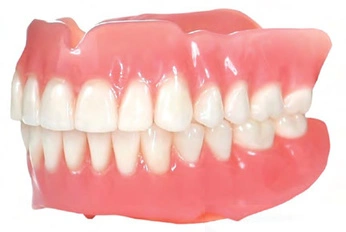
When dental professionals talk about delivering the best implants to their patients, the conversation goes far beyond placement. The restoration itself plays a critical role in the final outcome. A well-fabricated implant crown, abutment, or implant-supported prosthesis can mean the difference between a result that simply functions and one that truly excels.
Therefore, understanding what separates a high-quality implant restoration from an average one is essential. Dentists across the Greater Phoenix area — from Scottsdale to Chandler — are increasingly turning to digital dental labs to elevate their implant workflows. The shift is clear, and the results speak for themselves.
At Dentek Digital, we partner with dental professionals to fabricate precise, reliable implant restorations using advanced CAD/CAM technology. In this post, we break down what makes the best implants possible — and how your lab partner directly impacts that outcome.
What Makes an Implant Restoration the Best?
Not all implant restorations are created equal. The quality of a restoration depends on several key factors working together. These include material selection, fit precision, aesthetic design, and the technology used to fabricate the final piece.
Additionally, the digital workflow your lab uses has a direct impact on accuracy. A CAD/CAM-fabricated restoration offers a level of precision that traditional analog methods simply cannot match. Because of this, more dental practices in Mesa, Tempe, and Gilbert are adopting fully digital workflows for their implant cases.
Material Selection Matters
Choosing the right material is one of the most important decisions in implant restoration. For example, zirconia is widely used for its strength and natural appearance. It performs well in both anterior and posterior cases.
Meanwhile, titanium and PEEK (a type of high-performance polymer) are used for certain implant components based on patient needs. Each material has its own strengths. Furthermore, your lab should guide your material selection based on the clinical demands of each specific case.
Precision Fit and Occlusion
A restoration that fits poorly causes problems. It can lead to complications at the implant site, patient discomfort, and additional chair time. Therefore, precision is non-negotiable when fabricating implant crowns and abutments.
CAD/CAM technology allows labs like Dentek Digital to mill restorations with exceptional accuracy. In addition, digital scans eliminate the distortion that traditional impressions can introduce. As a result, the fit is more predictable right from the start.
The Role of a Digital Dental Lab in Implant Success
Your dental lab is a critical partner in delivering the best implants to your patients. However, not all labs operate at the same level. A digital lab uses advanced software and precision milling equipment to produce restorations that meet exacting standards.
Dentek Digital is one of the earliest adopters of the digital CAD/CAM workflow in the country. We combine this technology with skilled craftsmanship to support better patient outcomes. Dental practices in Scottsdale, Gilbert, and across the Greater Phoenix area rely on our expertise for their most complex implant cases.
Digital Implant Planning
One of the most powerful tools available today is digital implant planning. This process allows the surgical and restorative teams to coordinate before placement even begins. As a result, the final restoration is designed with placement in mind from day one.
Digital planning reduces guesswork. It also improves communication between the surgeon, the restorative dentist, and the lab. Moreover, it leads to more predictable outcomes and fewer complications overall.
Custom Abutments vs. Stock Abutments
Stock abutments are a standard option, but they are not always the best choice. Custom abutments are designed specifically for each patient’s anatomy. Therefore, they offer a better emergence profile and a more natural-looking result.
At Dentek Digital, we fabricate custom abutments using CAD/CAM technology. Additionally, we work with a wide range of implant systems to ensure compatibility. Our team is experienced in handling cases from practices throughout Mesa, Chandler, and Tempe.
Types of Implant Restorations We Fabricate
The best implant outcome often depends on choosing the right type of restoration for the clinical situation. However, each case is unique. Understanding the available options helps dental professionals make informed decisions for their patients.
Below are the primary types of implant restorations that Dentek Digital fabricates for dental practices across Greater Phoenix.
- Implant Crowns: Single-tooth restorations that sit on top of a custom or stock abutment. Available in zirconia and other high-performance materials.
- Implant Bridges: Multi-unit restorations supported by two or more implants. Ideal for replacing several consecutive missing teeth.
- Screw-Retained Restorations: These attach directly to the implant without cement, reducing the risk of cement-related complications.
- Implant-Supported Dentures: Full-arch solutions for patients who are missing all or most of their teeth. These offer superior stability compared to conventional dentures.
- Hybrid Prostheses: A combination of fixed and removable elements, supported by multiple implants. Often used for full-arch rehabilitation.
Furthermore, Dentek Digital also offers TattooTH, an advanced service that provides unique identification markings on dental prostheses. This is particularly useful for full-arch implant cases.
How CAD/CAM Technology Elevates Implant Restorations
CAD/CAM stands for Computer-Aided Design and Computer-Aided Manufacturing. In simple terms, it means your restoration is designed using specialized software and then milled by a precision machine. This process removes much of the human error present in traditional lab techniques.
Because of this, restorations fabricated with CAD/CAM technology tend to fit better, look better, and last longer. Additionally, the digital workflow allows for faster turnaround times. Dental practices in Chandler, Gilbert, and across the Valley benefit from a more streamlined process.
Intraoral Scanning and Digital Impressions
The digital workflow begins with the scan. An intraoral scanner captures a precise 3D image of the patient’s mouth. Then, this digital file is sent directly to the lab, eliminating the need for physical impression material.
Next, the lab uses this file to design the restoration in CAD software. Finally, the design is sent to the milling machine, which carves the restoration from a solid block of material. The result is a highly accurate, patient-specific restoration.
Quality Control in a Digital Lab
Quality control is built into the digital process at every stage. For example, software checks verify the design before milling begins. Additionally, our skilled technicians review each restoration before it leaves our Phoenix lab.
On the other hand, traditional analog labs rely more heavily on manual inspection at the end of the process. The digital approach allows us to catch potential issues earlier. As a result, we deliver restorations that meet high standards consistently.
Frequently Asked Questions About Implant Restorations
What is the best material for an implant crown?
Zirconia is one of the most widely used materials for implant crowns today. It offers excellent strength and a natural appearance. However, the best material depends on the location of the implant and the patient’s specific needs. Your lab partner can help you choose the right option for each case.
How does a digital lab improve implant outcomes?
A digital lab uses CAD/CAM technology to fabricate restorations with greater precision. Additionally, digital workflows reduce the risk of errors introduced by traditional impressions. As a result, restorations tend to fit better and require fewer adjustments at delivery.
What is digital implant planning, and why does it matter?
Digital implant planning is a pre-surgical process where the placement and restoration are coordinated digitally before any clinical work begins. Therefore, the surgical team and restorative team are aligned from the start. This leads to more predictable outcomes and a smoother overall process.
Can Dentek Digital work with my implant system?
Yes. Dentek Digital works with a wide range of implant systems and components. We regularly support dental practices in Scottsdale, Mesa, Tempe, Chandler, and across the Greater Phoenix area. If you have questions about a specific system, our team is happy to discuss your case.
How do I send a case to Dentek Digital?
Sending a case to us is straightforward. You can submit digital scans and case details through our online portal. Our team reviews each case carefully and communicates with your practice throughout the fabrication process.
Partner With Dentek Digital for Your Implant Cases
Delivering the best implants to your patients starts with choosing the right lab partner. Dentek Digital brings national-level expertise, advanced CAD/CAM technology, and skilled craftsmanship to every case we handle. We are proud to support dental professionals across Greater Phoenix — from Mesa and Tempe to Scottsdale and Chandler.
Moreover, our team is experienced in the full range of implant restoration types. Whether you need a single implant crown or a complex full-arch hybrid prosthesis, we are equipped to deliver results you can be confident in. We also offer digital implant planning and TattooTH services for practices looking to take their workflow to the next level.
Ready to elevate your implant restorations? Contact Dentek Digital today to discuss your next implant case and discover how our digital lab can support better outcomes for your patients.