
Choosing the right dental implant options is one of the most important decisions a patient can make. Implants restore function, improve appearance, and support long-term oral health. However, not all implant solutions are created equal.
The quality of the restoration placed on an implant matters just as much as the implant itself. Therefore, understanding how dental labs fabricate implant components can help dentists and their patients make better choices. Additionally, digital technology has transformed what is possible in implant dentistry.
At Dentek Digital, we support dental practices across the Greater Phoenix, Arizona area with precision-crafted implant restorations. We use advanced CAD/CAM technology to deliver reliable, high-quality results. In this post, we explore the most common implant options and explain what sets a great restoration apart from an average one.
What Are Dental Implants and How Do They Work?
Dental implants are titanium posts placed surgically into the jawbone. They act as artificial tooth roots. Over time, the bone fuses to the implant in a process called osseointegration.
Once the implant is stable, a dental restoration is attached on top. This restoration can be a crown, bridge, or full arch prosthetic. The type of restoration chosen depends on the patient’s needs and the number of missing teeth.
Because of this, the implant process typically involves two key components: the implant fixture placed by the dentist or oral surgeon, and the restoration fabricated by the dental lab. Both must work together seamlessly for the best outcome.
The Role of the Dental Lab in Implant Success
Many patients focus on the surgical side of implants. However, the crown or prosthetic placed on top is equally critical. A poorly fitted restoration can cause discomfort, bite problems, and premature failure.
Moreover, precision in the lab directly affects how well the restoration fits and functions. At Dentek Digital, we use digital scanning and CAD/CAM milling to achieve highly accurate implant components. This means dental practices in Scottsdale, Chandler, Mesa, and beyond can expect consistent, reliable results.
Common Dental Implant Options Available Today
There are several implant restoration types available. Each serves a specific clinical purpose. Furthermore, advances in digital dentistry have expanded what each option can achieve.
Single-Tooth Implant Crowns
A single-tooth implant replaces one missing tooth with a crown seated on a single implant post. This is the most common implant restoration. It preserves adjacent teeth and looks natural.
Digital fabrication allows the crown to be designed with precise contours. As a result, the fit and aesthetics are both optimized. Materials such as zirconia and lithium disilicate are popular choices for their strength and appearance.
Implant-Supported Bridges
When multiple adjacent teeth are missing, an implant-supported bridge may be the right choice. Two or more implants support a fixed bridge spanning the gap. This avoids the need for individual implants for every missing tooth.
Additionally, implant-supported bridges are more stable than traditional bridges. They do not rely on neighboring natural teeth for support. CAD/CAM design ensures each bridge is fabricated to fit precisely.
Full-Arch Implant Restorations
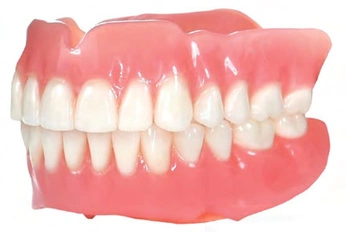
Full-arch solutions restore an entire upper or lower arch using a limited number of implants. Options like All-on-4 or All-on-X use as few as four strategically placed implants. These support a full prosthetic arch.
Therefore, patients who have lost most or all of their teeth can regain full function. Meanwhile, digital planning makes it possible to design the final prosthetic with exceptional accuracy. At Dentek Digital, we fabricate full-arch restorations that meet high standards for fit, function, and aesthetics.
Implant-Retained Removable Dentures
For patients who prefer a removable option, implant-retained dentures offer added stability. Small implants or locator attachments anchor the denture in place. The patient can still remove it for cleaning.
Furthermore, this option is often more affordable than a fully fixed full-arch restoration. It still provides significantly better stability than a conventional denture. Our lab works with practices across Gilbert, Tempe, and the broader Phoenix metro to provide well-fitting implant-retained prosthetics.
Materials Used in Implant Restorations
Material selection plays a major role in the quality and longevity of an implant restoration. Modern digital labs work with several advanced materials. Each has distinct advantages depending on the clinical situation.
Zirconia
Zirconia is one of the most popular materials for implant crowns and bridges. It is extremely strong and highly resistant to chipping. Additionally, it offers a natural tooth-like appearance.
Monolithic zirconia is milled from a single block, which eliminates weak points. Layered zirconia adds a porcelain overlay for enhanced aesthetics. Both options are well-suited for implant-supported restorations.
Titanium Components and Abutments
The abutment connects the implant post to the restoration. Titanium abutments are strong and biocompatible. However, in the front of the mouth, a zirconia abutment may be preferred for its tooth-colored appearance.
Custom abutments, designed digitally and milled precisely, provide the best emergence profile. As a result, the final crown seats naturally and mimics the look of a real tooth. This level of customization is a key advantage of working with a digital dental lab.
PMMA and Hybrid Materials for Provisionals
During the implant healing phase, a provisional restoration is often used. PMMA (polymethyl methacrylate) is a common material for temporary implant crowns. It is lightweight, easy to adjust, and aesthetically acceptable.
Moreover, a well-made provisional helps guide tissue healing and sets the patient’s expectations. Digital fabrication allows provisionals to be made accurately and quickly. This supports a smoother treatment timeline for both the dentist and the patient.
How Digital Technology Improves Implant Outcomes
Digital dentistry has changed implant workflows in meaningful ways. Traditional impressions introduced variables that could affect fit. In contrast, digital scans capture highly detailed, accurate data.
Additionally, CAD/CAM design software allows technicians to plan restorations with precision before anything is milled. This reduces remakes and improves chair time efficiency for dental practices. First, the scan is taken. Next, the design is reviewed and approved. Then, the restoration is milled and finished to exact specifications.
Digital Implant Planning at Dentek Digital
We offer advanced digital implant planning as part of our lab services. This allows dentists to plan implant placement virtually before surgery. As a result, the surgical guide and final restoration can be designed together for a predictable outcome.
This integrated approach is especially valuable for complex cases involving multiple implants or full-arch restorations. Moreover, it supports better communication between the lab and the referring dental practice. Dental practices in Scottsdale, Mesa, Chandler, and Gilbert can benefit from this collaborative workflow.
TattooTH: Advanced Implant Identification
Dentek Digital also offers TattooTH, an innovative service that embeds a unique identifier directly into the dental restoration. This makes it possible to identify a restoration if it is ever lost or in emergency situations. It is a forward-thinking feature that sets our lab apart.
Furthermore, TattooTH adds value for patients and practices without changing the fabrication process. It is one example of how we combine technology with craftsmanship to go beyond standard lab services.
What Dentists Should Look for in a Digital Dental Lab
Not every dental lab offers the same level of quality or technology. When choosing a lab partner for implant cases, dentists should consider several key factors.
- Digital workflow capability: Does the lab accept digital scans and use CAD/CAM fabrication?
- Material quality: Does the lab use high-grade zirconia, titanium, and other tested materials?
- Turnaround time: Can the lab meet your case schedule consistently?
- Communication: Does the lab offer case support and guidance when you need it?
- Range of services: Can the lab handle simple single-tooth cases as well as complex full-arch restorations?
Dentek Digital meets all of these standards. We are recognized as a national leader in digital dentistry and were one of the earliest adopters of the CAD/CAM workflow in the country. Because of this, dental practices across the Phoenix metro trust us with their most complex implant cases.
Explore your options — contact Dentek Digital to discuss your next implant case and find out how our digital workflow can support your practice.
Frequently Asked Questions About Dental Implant Options
What is the most durable material for an implant crown?
Zirconia is widely considered one of the most durable materials for implant crowns. It resists chipping and wear while offering a natural appearance. Additionally, monolithic zirconia eliminates the risk of layered porcelain fracturing.
How does a digital lab differ from a traditional dental lab?
A digital lab uses CAD/CAM technology to design and mill restorations. This process is more accurate than traditional hand-sculpting methods. Therefore, digital labs typically produce restorations with better fit and consistency.
Can a dental lab help with full-arch implant cases?
Yes. Full-arch implant cases require close collaboration between the dentist and the lab. Digital labs like Dentek Digital offer design support, digital planning, and high-quality full-arch prosthetics. Moreover, our team is experienced with complex, multi-unit implant restorations.
How long does it take to receive an implant restoration from a digital lab?
Turnaround times vary depending on the complexity of the case. However, digital fabrication is generally faster than traditional methods. Simple crowns may be completed in just a few days, while full-arch cases may take longer depending on the scope of work.
Do digital implant restorations require special handling from the dentist?
Not significantly. Digital restorations are designed to seat and function like any high-quality restoration. However, it is always recommended to verify fit at delivery and follow standard clinical protocols. Your lab partner should provide clear delivery instructions with each case.
Partner with Dentek Digital for Exceptional Implant Restorations
The right implant restoration can transform a patient’s confidence and quality of life. However, achieving that result requires precision at every step — from planning to final placement. That is where a trusted digital dental lab makes a real difference.
At Dentek Digital, we combine advanced CAD/CAM technology with skilled craftsmanship to deliver implant restorations that perform and look exceptional. We proudly serve dental practices across the Greater Phoenix area, including communities in Scottsdale, Chandler, Mesa, Tempe, and Gilbert.
Whether you are placing your first implant crown or managing a complex full-arch case, our team is here to support you. Send us a case today and experience the Dentek Digital difference firsthand.