
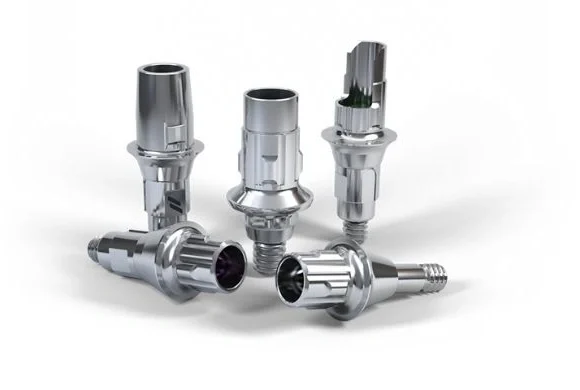
When patients ask about dental implant options, they deserve the best possible care. Dentists across the country are raising the bar for implant restorations every year. Advanced digital workflows are making that easier than ever before.
At Dentek Digital, we support dental practices with precision-fabricated implant restorations. Our lab uses cutting-edge CAD/CAM technology to deliver results that fit beautifully and function reliably. Whether you serve a busy urban practice or a smaller community clinic, quality matters at every step.
In this guide, we break down the most important dental implant options available today. We also explain how a digital dental lab can help you deliver better outcomes for your patients. Let’s get started.
Why Dental Implant Options Have Expanded So Much
Digital dentistry has transformed the implant space dramatically. Today, dentists have more material choices, more restoration designs, and more planning tools than ever before. Because of this, patients benefit from faster treatment timelines and more predictable results.
Modern implant solutions rely on digital impressions, 3D imaging, and CAD/CAM fabrication. These tools eliminate much of the guesswork from traditional workflows. As a result, both dentists and patients experience fewer surprises.
Furthermore, the shift toward digital has made collaboration between dentists and dental labs much more seamless. Labs like Dentek Digital can receive case files digitally and begin fabrication faster. This efficiency improves turnaround times without sacrificing quality.
The Role of CAD/CAM Technology in Implant Restorations
CAD/CAM stands for Computer-Aided Design and Computer-Aided Manufacturing. It is the backbone of modern dental lab fabrication. Using this technology, our team designs and mills restorations with exceptional accuracy.
CAD/CAM allows for precise customization of every implant crown, bridge, or hybrid prosthesis. Additionally, it supports a wide range of high-performance materials. These include zirconia, titanium, and PEEK, among others.
Because of this precision, dental practices in Phoenix, Mesa, Tempe, and Chandler trust digital labs for their most complex cases. The consistency of CAD/CAM fabrication is simply unmatched by older, manual methods.
Common Dental Implant Restoration Types
Not all implant restorations are the same. Therefore, it helps to understand the main types available. Each option serves a different clinical need and patient profile.
Single-Unit Implant Crowns
A single-unit implant crown replaces one missing tooth. It attaches to a titanium implant post that integrates with the jawbone. This is one of the most common and straightforward dental implant options available.
These crowns are typically fabricated from monolithic zirconia or layered porcelain. Both materials offer excellent aesthetics and long-term durability. Moreover, CAD/CAM milling ensures a highly accurate fit at the implant interface.
At Dentek Digital, we design single-unit crowns with careful attention to occlusion and emergence profile. This supports healthy tissue response and long-term patient satisfaction. A well-designed crown makes a significant difference in outcomes.
Implant-Supported Bridges
Implant-supported bridges replace multiple adjacent missing teeth. They anchor to two or more implant posts instead of natural teeth. This option is ideal for patients who are missing several teeth in a row.
Digital design allows for precise pontic shaping and connector sizing. Additionally, the lab can verify fit and contour before the restoration ever reaches the patient’s mouth. This reduces chair time and simplifies delivery appointments.
Practices in Scottsdale and Gilbert frequently use implant bridges to restore patients with partial edentulism. The combination of implant stability and digital fabrication delivers outstanding functional results.
Full-Arch Implant Prostheses
Full-arch restorations, often called All-on-4 or All-on-X prostheses, replace an entire arch of teeth. They are supported by four or more strategically placed implants. This solution gives fully edentulous patients a fixed, functional smile.
These cases are among the most complex in restorative dentistry. However, digital planning tools make them far more manageable. Dentek Digital offers digital implant planning services to help your team prepare for these cases with confidence.
Our lab fabricates full-arch restorations using high-strength zirconia and titanium frameworks. Furthermore, we work closely with referring dentists to ensure every detail of the case is addressed. From the bar design to the final surface finish, precision is our priority.
Digital Implant Planning: A Game-Changer for Complex Cases
Planning is everything in implant dentistry. A well-planned case leads to better surgical placement, better restoration design, and better long-term results. Digital implant planning removes much of the uncertainty from this process.
Using CBCT scans and digital planning software, our team helps map out implant positions before surgery even begins. This allows the surgical guide to be fabricated ahead of time. As a result, the procedure becomes more predictable and efficient.
Dentek Digital offers this advanced planning service as part of our implant solutions. We work with dental practices throughout the Greater Phoenix area to support full-scope implant workflows. From planning to final restoration, we are your partner throughout the process.
Surgical Guides and Their Benefits
Surgical guides direct implant placement to the exact position planned digitally. They reduce the risk of misalignment and protect vital anatomical structures. Additionally, they help shorten surgical time and simplify the procedure.
When a surgical guide is used alongside a digitally fabricated restoration, the workflow becomes highly streamlined. The restoration fits as planned because the implant was placed exactly where it was designed to go. This level of coordination is only possible with a digital workflow.
Moreover, surgical guides improve communication between the surgeon and the restorative dentist. Everyone works from the same digital plan. Therefore, the entire team is aligned from day one of the case.
TattooTH: Advanced Marking for Implant Cases
Dentek Digital also offers a unique service called TattooTH. This advanced solution allows for precision identification markings on dental prostheses. It is particularly useful for full-arch and removable implant-supported cases.
TattooTH adds a discreet, permanent identifier to the restoration. This supports patient safety and helps manage prosthetic records effectively. Furthermore, it is a value-added service that sets your practice apart.
We are proud to be one of the few labs offering this technology in the country. Dental practices across Phoenix, Mesa, and beyond have found it to be a meaningful addition to their implant workflows. Ask us about how TattooTH can benefit your specific case types.
Choosing the Right Materials for Implant Restorations
Material selection plays a major role in implant restoration success. The right material depends on the location in the mouth, the patient’s bite force, and aesthetic requirements. Therefore, understanding your material options is essential.
Zirconia
Zirconia is one of the most popular materials for implant crowns and bridges today. It is extremely strong, biocompatible, and highly aesthetic. Additionally, it resists staining and wear over time.
Monolithic zirconia is ideal for posterior restorations where strength is the priority. Layered or high-translucency zirconia works well in the anterior region. Our team helps match the right zirconia type to each specific case.
Titanium Frameworks
Titanium is the gold standard for full-arch bar frameworks and custom abutments. It is extremely biocompatible and integrates well with implant components. Moreover, it provides the structural strength needed for complex, multi-unit cases.
CAD/CAM-milled titanium frameworks offer a level of precision that cast metal simply cannot match. The fit at the implant level is highly accurate. As a result, there is less risk of mechanical complications over time.
PEEK and Hybrid Materials
PEEK (Polyether ether ketone) is a newer material gaining traction in implant dentistry. It is lightweight, flexible, and highly biocompatible. Additionally, it can be used for provisional full-arch prostheses during the healing phase.
Hybrid materials combine the strength of a metal framework with the aesthetics of acrylic or composite. These are commonly used for implant-retained overdentures. Furthermore, they offer a cost-effective solution for patients with specific functional needs.
How Dentek Digital Supports Your Implant Cases
Dentek Digital was one of the earliest adopters of the digital CAD/CAM workflow in the United States. We bring that experience to every case we fabricate. Our team combines technical skill with advanced technology to support dental practices at every level.
We serve dental practices across the Greater Phoenix area, including communities in Mesa, Tempe, Chandler, and Scottsdale. However, our reach extends nationally, making us a trusted partner for practices of all sizes. We are proud to be recognized as a national leader in digital dentistry.
Our solutions cover Fixed Restorations, Removables, Splints and Nightguards, and Dental Implants. Additionally, we offer digital Implant Planning and TattooTH services. Whatever your clinical needs, we have a solution ready to support your team.
Ready to elevate your implant workflow? Contact Dentek Digital today to send us a case or discuss your next implant restoration.
Frequently Asked Questions About Dental Implant Options
What types of implant restorations does Dentek Digital fabricate?
We fabricate single-unit implant crowns, implant-supported bridges, full-arch prostheses, custom abutments, and titanium bar frameworks. Additionally, we offer digital implant planning services to support complex surgical and restorative cases.
What materials are best for implant crowns?
Zirconia is the most commonly recommended material for implant crowns due to its strength and aesthetics. However, the best material depends on the case. Our team can help you select the right option based on location, bite force, and patient needs.
How does digital implant planning work?
Digital implant planning uses CBCT scan data and specialized software to map out implant positions virtually. This allows for surgical guide fabrication before the procedure. As a result, placement is more accurate and the overall case workflow is more efficient.
Can Dentek Digital help with full-arch implant cases?
Yes. We specialize in complex full-arch restorations, including All-on-4 and All-on-X prostheses. Furthermore, we offer planning support and fabricate high-strength zirconia and titanium frameworks for these demanding cases.
How do I send a case to Dentek Digital?
Sending a case is simple. You can submit digital files directly through our case submission portal. Our team reviews each case and reaches out quickly to confirm details and timelines. We make the process as smooth as possible for your practice.
Partner With a Digital Lab That Delivers
Choosing the right dental lab for your implant cases makes a real difference. Precision fabrication, reliable turnaround, and expert support all contribute to better patient outcomes. Dentek Digital is built to deliver on every one of those fronts.
We work with dental practices across Phoenix, Mesa, Tempe, Chandler, Scottsdale, and Gilbert. Our team brings decades of combined experience in digital dentistry and dental lab technology. Moreover, we are constantly evolving our processes to stay ahead of the field.
If you are ready to explore better dental implant options for your patients, we are here to help. Our team is ready to support your next case from start to finish. Reach out today and experience the Dentek Digital difference.