
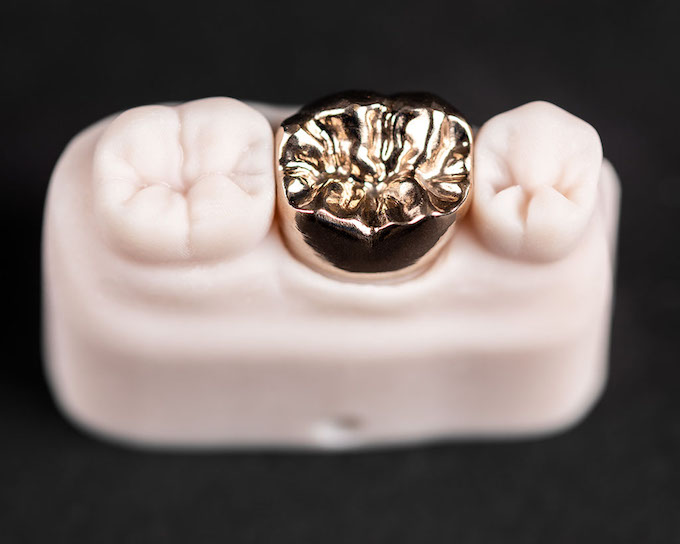
Finding the right dental implant options can feel overwhelming. There are many choices available, and every patient’s situation is different. However, understanding the basics helps you make a confident, informed decision.
Dental implants have become one of the most reliable tooth replacement solutions in modern dentistry. They look natural, function like real teeth, and can last for many years with proper care. Because of this, more patients and dental practices are turning to implant-supported restorations than ever before.
At Dentek Digital, we fabricate high-quality implant restorations for dental practices across the Greater Phoenix, Arizona area. From Scottsdale to Chandler and Mesa to Tempe, we partner with dentists to deliver precise, reliable results using advanced CAD/CAM technology.
What Are Dental Implants?
Dental implants are small titanium posts placed into the jawbone. They act as artificial tooth roots. Over time, they fuse with the bone through a process called osseointegration.
Once fully integrated, the implant supports a crown, bridge, or denture on top. The result is a stable, natural-looking restoration. Additionally, implants help preserve bone density in the jaw.
Unlike removable dentures, implants stay fixed in place. They do not slip or shift during eating or speaking. Therefore, many patients find them far more comfortable and convenient.
How Are Implants Different from Other Restorations?
Traditional bridges require grinding down adjacent healthy teeth. Removable partial dentures can feel bulky or unstable. Implants, on the other hand, stand on their own without affecting neighboring teeth.
Furthermore, implants stimulate the jawbone just like natural tooth roots do. This helps prevent bone loss over time. As a result, patients often maintain better facial structure with implants versus other options.
Exploring Your Dental Implant Options
Not all implant solutions are the same. The right choice depends on how many teeth are missing, the patient’s bone density, and their overall oral health. Below, we break down the most common options dental practices discuss with their patients.
Single Tooth Implants
A single implant replaces one missing tooth. The dentist places one post and attaches a custom crown on top. This is one of the most straightforward dental implant options available.
The crown is fabricated to match the color, shape, and size of surrounding teeth. Modern CAD/CAM technology makes this process highly precise. Additionally, the final result is virtually indistinguishable from a natural tooth.
Implant-Supported Bridges
When multiple adjacent teeth are missing, an implant-supported bridge is a strong solution. Instead of one implant per tooth, two implants anchor a bridge spanning the gap. This approach reduces the number of surgical placements needed.
Implant-supported bridges are more stable than traditional bridges. They also preserve bone in the areas where teeth are missing. Therefore, they offer both functional and long-term structural benefits.
Implant-Supported Dentures
For patients missing most or all of their teeth, implant-supported dentures offer a significant upgrade over traditional removable options. A small number of implants anchor a full arch of replacement teeth. This dramatically improves stability and chewing function.
There are two main styles: fixed and removable implant dentures. Fixed versions stay in place permanently and are only removed by the dentist. Removable versions snap on and off for easier cleaning at home.
All-on-4 and Full-Arch Solutions
The All-on-4 concept uses just four strategically placed implants to support a full arch restoration. This is often an option for patients who have experienced significant bone loss. Moreover, it can reduce the need for bone grafting in many cases.
Full-arch solutions require close collaboration between the dentist and the dental lab. At Dentek Digital, we support this process with advanced digital implant planning tools. Our team works with practices in Gilbert, Tempe, Chandler, and throughout the Phoenix metro area.
The Role of Digital Dentistry in Implant Restorations
Digital dentistry has transformed how implant restorations are designed and fabricated. Traditional impressions involved messy putty materials and longer turnaround times. Today, digital scans capture precise data in minutes.
This digital workflow feeds directly into CAD/CAM software. Technicians use this data to design restorations with exceptional accuracy. As a result, the fit and function of the final restoration are significantly improved.
CAD/CAM Technology and Implant Crowns
CAD/CAM stands for Computer-Aided Design and Computer-Aided Manufacturing. This technology allows dental labs to mill or 3D-print restorations from high-quality materials. The precision achieved is difficult to match with traditional hand-fabrication methods.
At Dentek Digital, we were among the earliest adopters of the digital CAD/CAM workflow in the country. We apply this expertise to every implant crown, bridge, and full-arch case we handle. Furthermore, our process supports faster turnaround without sacrificing quality.
Digital Implant Planning
Digital implant planning takes the guesswork out of complex cases. Using 3D imaging and planning software, the dental team can map out exactly where implants should be placed before surgery begins. This improves safety, accuracy, and predictability.
Dentek Digital offers advanced digital implant planning as part of our service offerings. We help dentists in Mesa, Scottsdale, and the broader Greater Phoenix area plan cases with greater confidence. Additionally, this technology supports better communication between the lab and the clinical team.
Materials Used in Implant Restorations
The material chosen for an implant restoration affects both its appearance and its durability. Several high-quality materials are commonly used in modern implant dentistry. Each has its own strengths depending on the patient’s needs.
- Zirconia: Extremely strong and tooth-colored. Ideal for crowns and bridges where aesthetics matter.
- Porcelain-fused-to-metal (PFM): A traditional option offering strength with a natural appearance.
- Full-contour zirconia: Monolithic and highly durable. Often used for posterior restorations under heavy bite forces.
- Titanium components: Used for abutments and implant bodies due to their biocompatibility and strength.
At Dentek Digital, we work with premium materials to ensure every restoration meets the highest quality standards. Moreover, our team matches materials to the specific functional and aesthetic demands of each case.
What Dentists Should Know When Selecting a Lab Partner
Choosing the right dental lab for implant cases is just as important as choosing the right materials. The lab you work with directly impacts your outcomes. Therefore, dentists should evaluate lab partners carefully.
Here are a few key factors to consider:
- Digital workflow capabilities: Does the lab use current CAD/CAM technology?
- Experience with implant cases: Has the lab handled a wide variety of implant scenarios?
- Turnaround time: Can the lab meet your practice’s scheduling needs?
- Communication: Is the lab responsive and easy to work with on complex cases?
- Material quality: Does the lab use reliable, proven materials?
Dentek Digital checks every one of these boxes. We are proud to serve dental practices across Greater Phoenix, including communities like Chandler, Gilbert, Mesa, and Tempe. Additionally, we are recognized as a national leader in digital dentistry.
Frequently Asked Questions About Dental Implant Options
What makes dental implants better than dentures?
Implants are fixed in place and do not require adhesives. They also preserve jawbone density over time. Additionally, most patients find them more comfortable and natural-feeling than traditional dentures.
How long does the implant process typically take?
The timeline varies depending on the patient’s healing and bone integration. However, the process generally spans several months from placement to final restoration. Digital planning can help streamline certain stages of treatment.
Can patients with bone loss still get implants?
In many cases, yes. Bone grafting or specialized implant techniques like All-on-4 can make implants possible even with reduced bone volume. Therefore, patients should consult with their dentist to explore what options apply to their situation.
What role does the dental lab play in implant treatment?
The lab fabricates the actual restoration — the crown, bridge, or denture that the patient sees and uses every day. A skilled lab partner ensures the restoration fits precisely and looks natural. Furthermore, labs that use digital workflows deliver more consistent, accurate results.
How does Dentek Digital support implant cases?
We fabricate implant crowns, bridges, and full-arch restorations using advanced CAD/CAM technology. We also offer digital implant planning services to help dentists map out complex cases. Our team is ready to collaborate with practices throughout the Phoenix metro area.
Partner with a Lab That Delivers
The right dental implant options make a meaningful difference in a patient’s life. Selecting those options with precision and care is what separates good outcomes from great ones. Moreover, having a trusted lab partner is essential to that process.
Dentek Digital brings together advanced digital technology and skilled craftsmanship to support dental practices across Phoenix, Scottsdale, Mesa, and beyond. We are committed to helping dentists deliver the best possible results for their patients. Every case we handle reflects that commitment.
If you are ready to elevate your implant cases, contact Dentek Digital today and let our team support your next case from start to finish.